


My cat is lethargic, not eating or peeing for 2 days. Is it serious?
Updated On September 23rd, 2025
Pet's info: Cat | Mixed Breed | Male | neutered | 1 year and 10 months old | 8 lbs
My 2 yr old cat is lethargic, not eating or drinking or having any urine or stool output. This has been going on for 48 hrs. He will respond and walks as tho he is very sore. But only walks very briefly if moved and has so stop and rest after a few steps.


3 Answers
Most Helpful Answer

Published on September 1st, 2017
I am sorry to hear Pistol Pete isn't feeling well. It sounds like he is painful somewhere. I recommend taking him to the vet ASAP to determine why he isn't eating or drinking. Cats can only go about 3 days without eating before they get much worse. They may need to run some blood work and xrays to determine why he isn't feeling well. Good luck and kisses to Pete!

1Pet Parents found this answer helpful
Related Answers from Veterinarians
-
Published on
Any male cat that is not urinating for over a day needs to be seen immediately to make sure he doesn't have a urinary obstruction. If he has a blockage the urine will back up and damage his kidneys and he can die quickly. If he's not improving please take him right in for a diagnosis and treatment. Regardless of the reason he'll need fluids to prevent dehydration and medication for pain. Thanks for using Petco Pet Education Center, formerly Petcoach to help you care for Pistol Pete.
1Pet Parents found this answer helpful
-
Published on July 15th, 2018
Oh dear! Poor Munig. Not eating for 2-3 days is a serious problem in cats, as they can develop a life-threatening liver condition called hepatic lipidosis if they go a few days without food. There are many things that can cause lethargy and loss of appetite in an older cat like this, so it's hard to say what might be wrong without being able to examine her and run some tests. Some common possibilities would include a systemic illness like chronic kidney disease, a GI problem such as pancreatitis or an intestinal obstruction, or ingestion of something toxic. I would recommend taking Munig to an emergency vet today to be seen, if possible, as this may be a life-threatening issue. The veterinarian can do blood work and x-rays if needed to help diagnose the problem and get her started on appropriate treatment.
1Pet Parents found this answer helpful



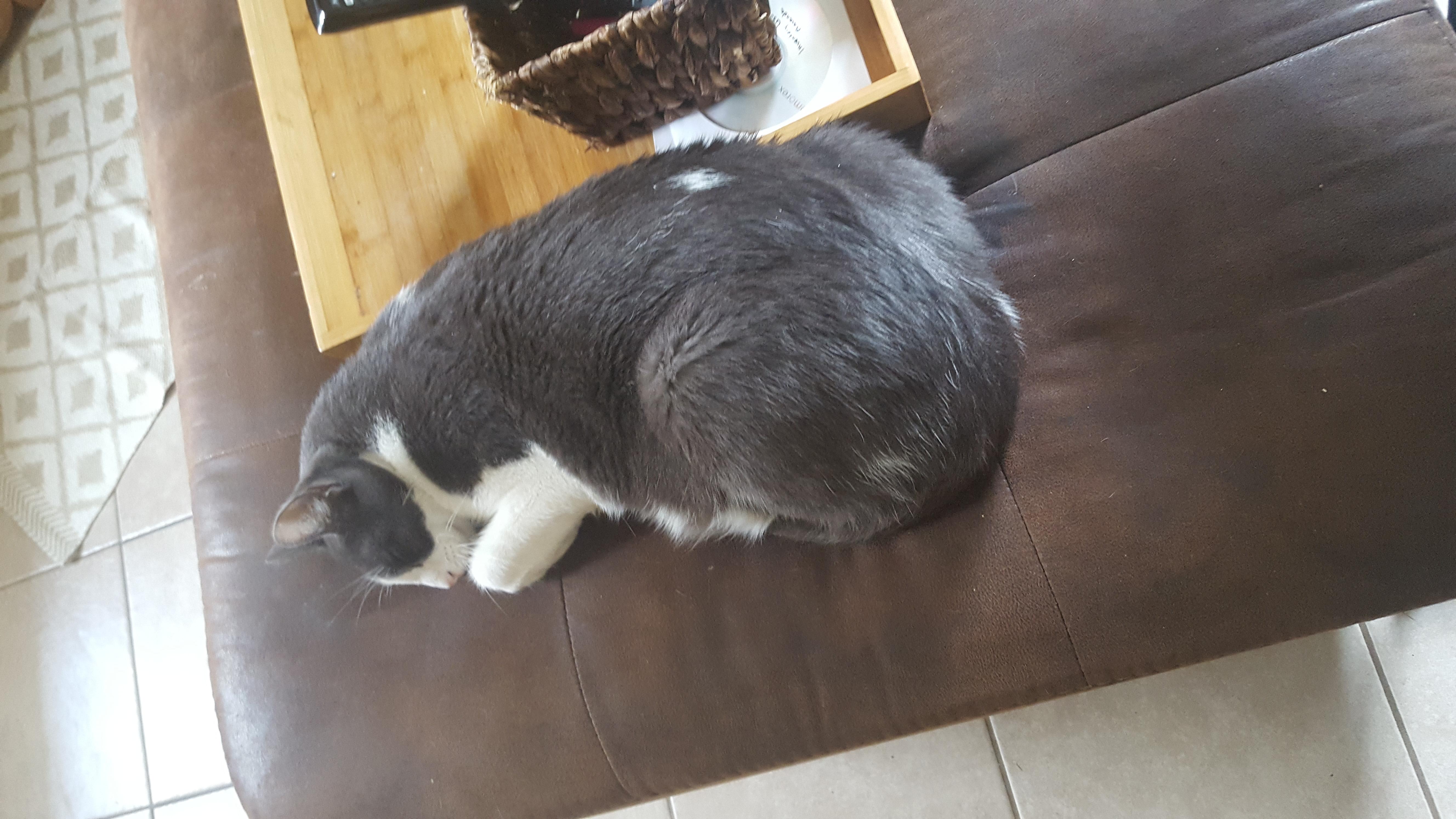
my cat did not pee these past few days. it always eats but never pee. I dont know what to do. photo below is the cat sleeping rn. What should I do?
One of my cats is not eating food for three days. Looks dull. Always sleeping. Kindly prescribe me the medicine.
My 2 year old cat has been very lethargic, barely eating, and growls every time we put pressure on his lower stomach or hind legs. This is going on for the third day today, and we are concerned about him. What could be the reason for this?

My cat has not been eating, and is drinking very little water. She is very lethargic. It's been about 3 days! She has no vomiting or diarrhea.
my cat is not eating anything for 6 days. he tries to eat but can't eat he drinks too much water but very slowly. he moves very little. its Nov and nt much cold but he goes out in night. eat only home food
Our cat is very lethargic. He doesn't want to eat or drink. He's passing very little urine and very little stool once in 3 days. He is a two year old male. He has had X-rays at the vet the doctor said there is some crystals but not enough for there t

Skinny 4 month old kitten sounded like a pug when we took her in. No eye or nose discharge, no sneezing. Humidifier helped symptoms go away. Was eating lots like ferals do and being given Nutrical once a day ... then she started sleeping all day and

Matou hasn’t eaten since 2 days and is weak to. All he does is to lie down all day .
My 3 yr old cat started vomiting 5 days ago. It lasted 2 days and she wouldn't eat or drink. Took her to vet and they gave her IV and nausea meds. Three more days have passed and still not eating or drinking wont move and eyes wont dialate. Should I
Hi there my cat approx 8 months Is always full of life always hungry usually eats alot very active an Happy, past 3 days he's just been sleeping he won't eat anything and he isn't even purring anymore it's starting to concern me as this is seriously

Book an appointment with the pros – our expert vets are here to help.
