


My turtle has shell rot. How do I treat it and its severity?
Updated On September 23rd, 2025
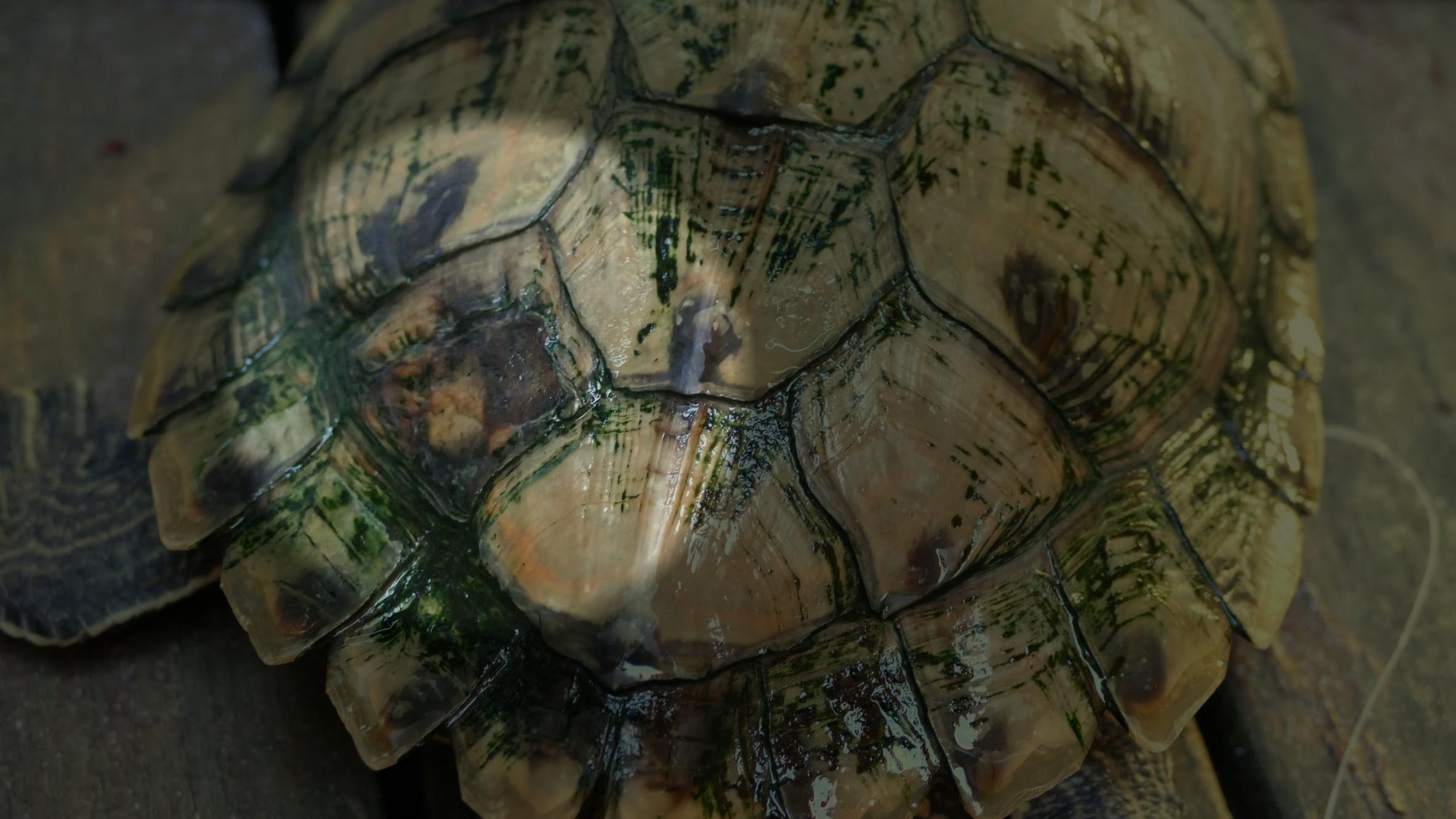
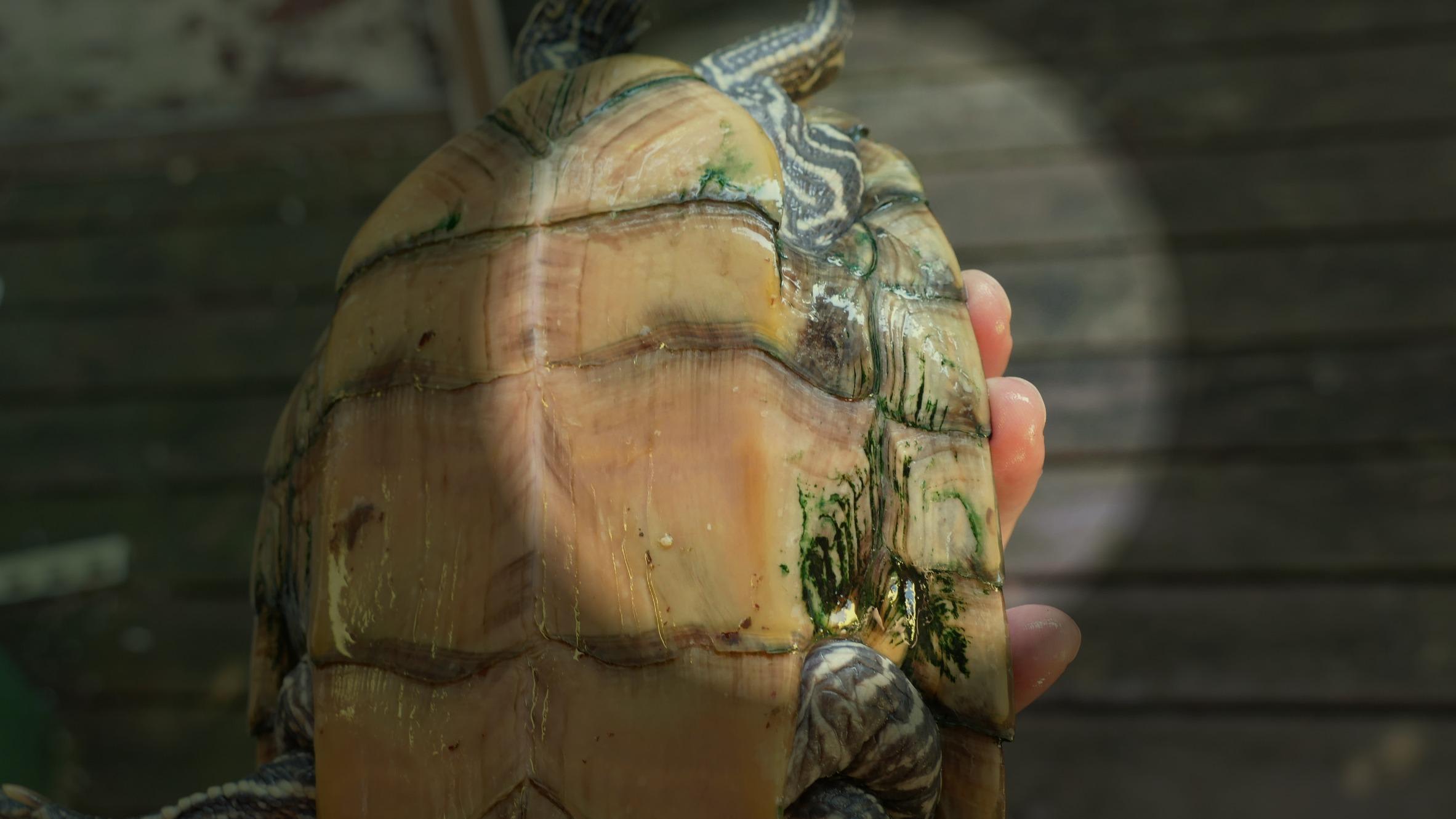
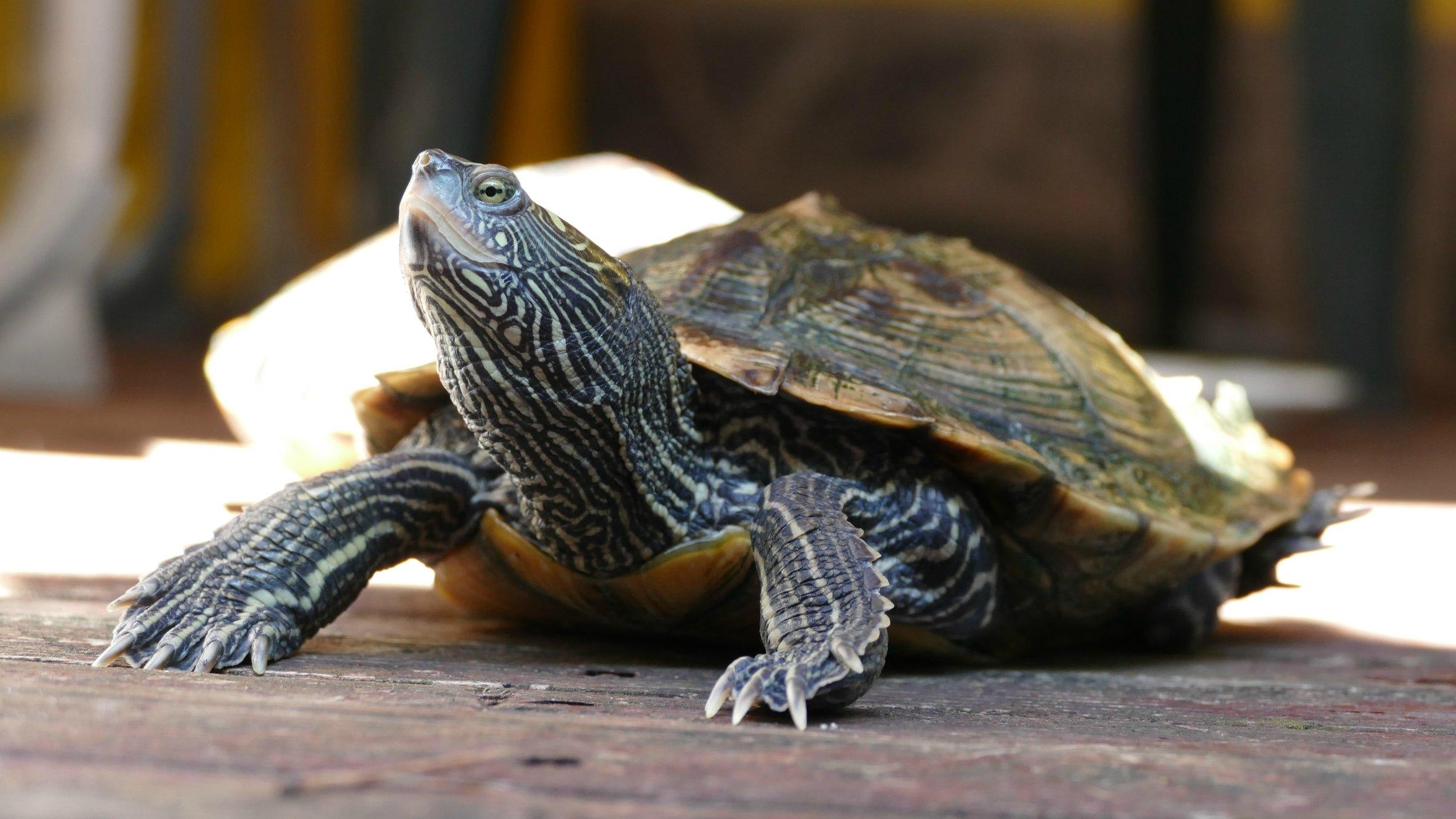
About 3 years ago a part of Leo's shell rotted (didn't know what it was at the time), the part of the shell was soft & looked awful but since than he seems completely fine, his shell is strong but still lookes "bad", today I also discover some more shell rott, that is also strong but looks "rotten". I would like to find out what I should do to threat him & how severe it is since his friend also seems to have a little spot. Thank you for your help. (Also more information on Leo's profile)


1 Answer
Most Helpful Answer

Published on August 15th, 2017
Minor fungal infections and shell rot can be treated at home but stubborn or severe cases should be treated by a veterinarian experienced in treating turtles. Severe rot may lead to shell deformation as you have seen. For now, clean the tank, do a water change and change the filter media. Clean water is vital to shell health. Make sure your turtle has a warm, dry basking area with proper UVA/UVB lighting. If your UVB bulb is older than 6 months, replace it. Do not place glass or plastic covers between the turtle and the UVB bulb. It should run the length of the tank and be 12 to 14 inches away from the surface of the water/basking spot. Feed a quality pelleted diet and supplement with dark, leafy greens and live prey (crickets, small fish, worms). Gut load prey to maximize nutritional value. Dust with a calcium supplement and a multivitamin several times weekly. The minor spots of rot can be scrubbed daily using dilute betadine or dilute chlorhexidine and a soft bristled brush. Allow for a 1-2 hour dry docking (out of the water) after each scrub down. If the rot does not resolve or if it spreads, have Leo examined by your veterinarian.

1Pet Parents found this answer helpful

Book an appointment with the pros – our expert vets are here to help.
