


Why is my parakeet sleeping all day with strange, watery poop?
Updated On September 23rd, 2025
Pet's info: Bird | Unknown - Bird | Male | unneutered | 10 months and 11 days old
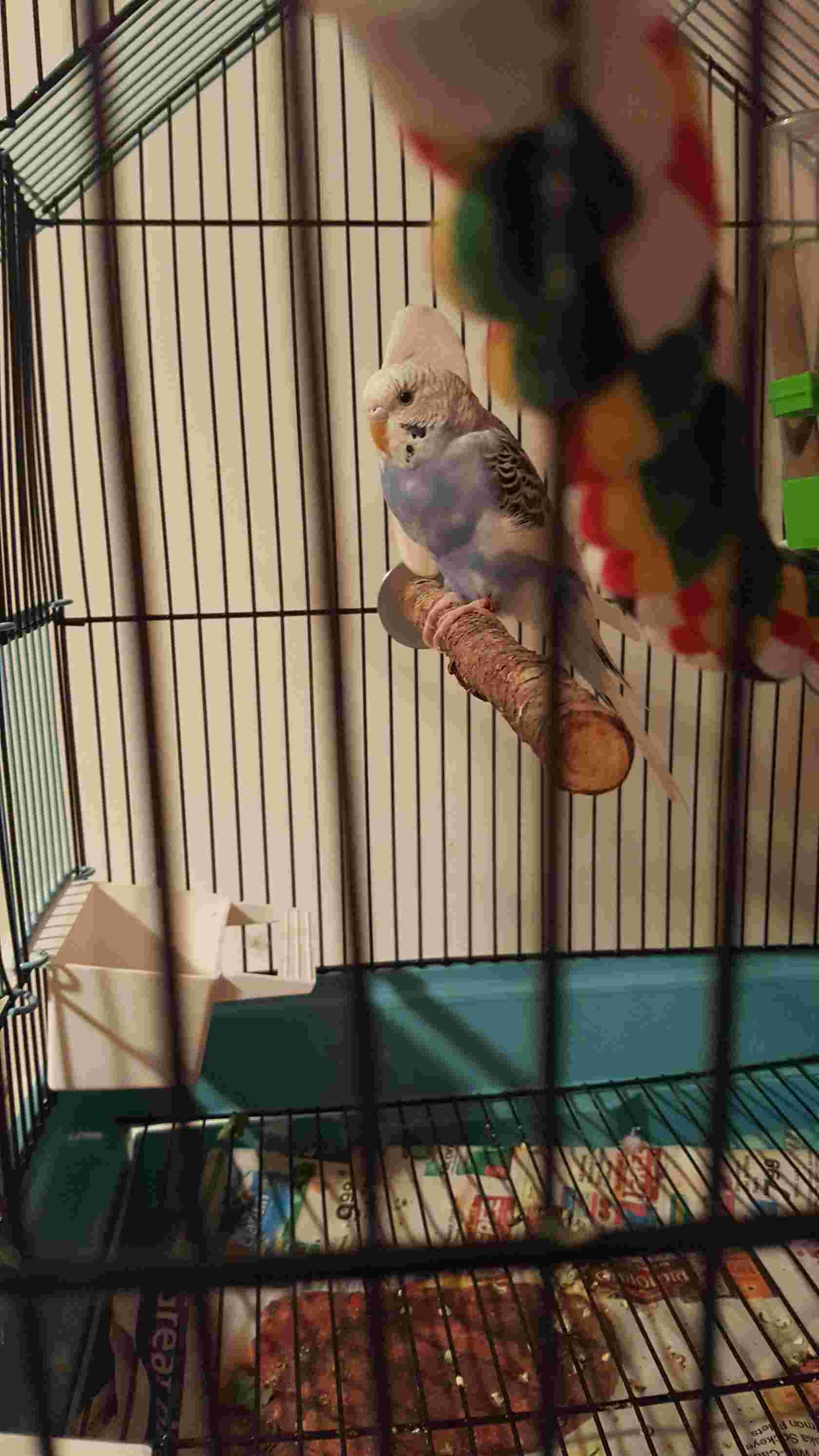
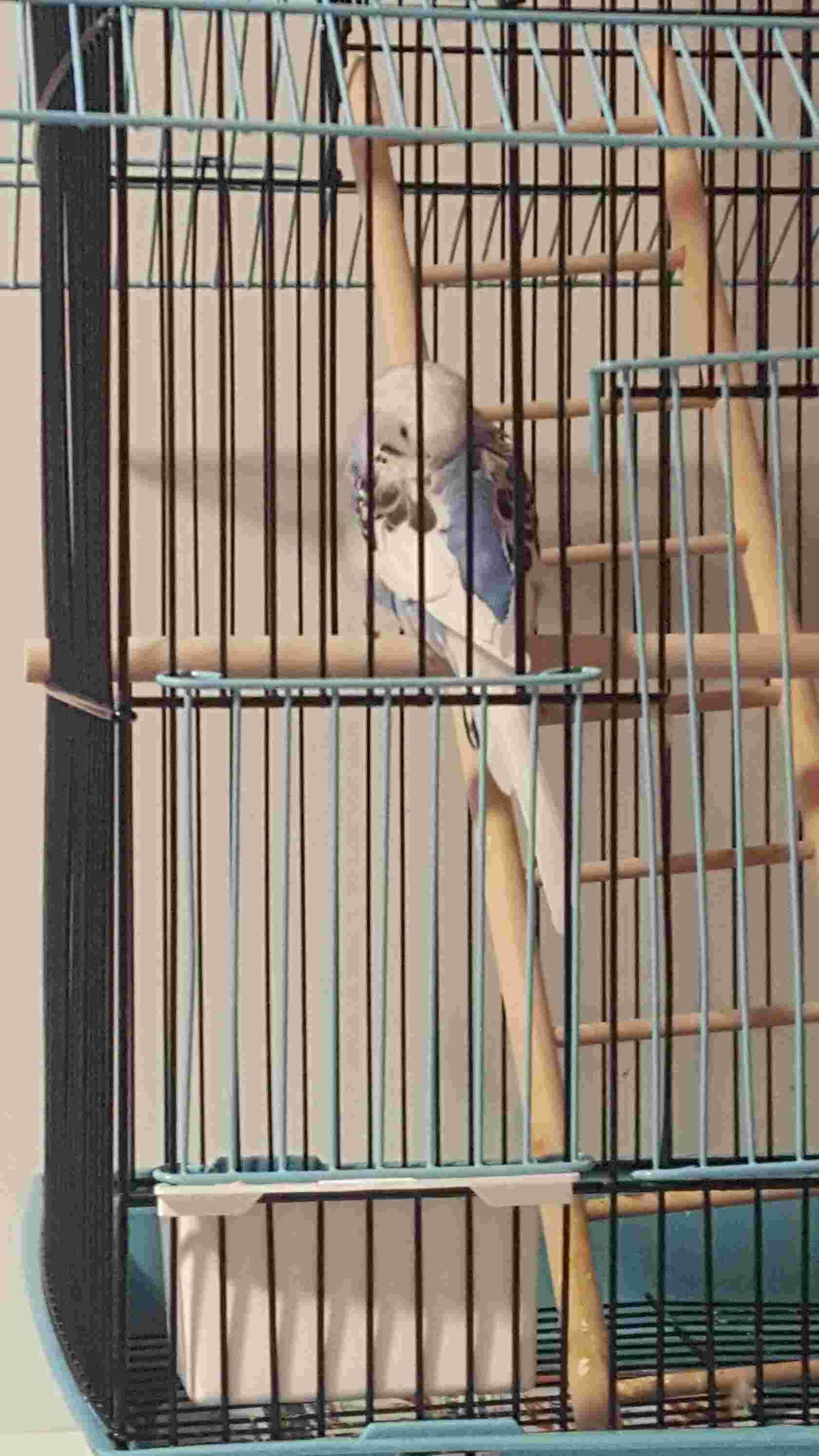
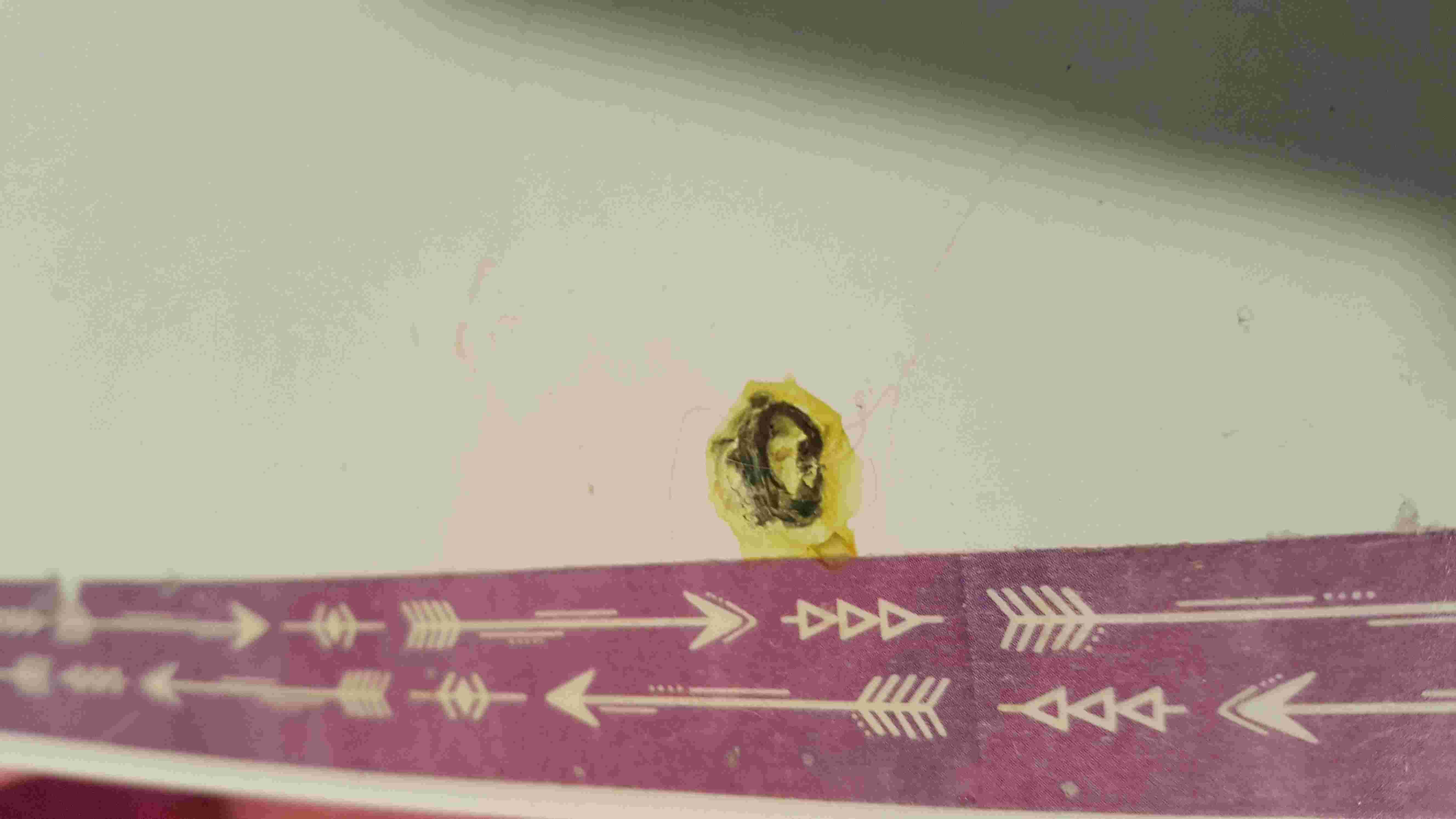
My parakeet is always fluffy and tucking his head behind his back with one foot. I know this is a normal sleeping position but he has been sleeping all day. He never really has been an active bird but is this normal? He eats and drinks but doesn't play with his toys. His buddy cloud died recently but I think he is over it by Now? He had a crop infection and was on antibiotics. He's healed now. His poops change with his food but they recently have been very strange and watery and different colors


2 Answers
Most Helpful Answer

Published on August 12th, 2017
If Sky's behavior has changed recently, and you are are also noticing a change in stool consistency without a change in diet or environment, then having him examined by your vet is a good idea. Some environmental changes, such as extreme heat may cause a bird to be more lethargic until it cools down, however they should still otherwise be eating, drinking and moving about some. Diet changes can also change the color or consistency of stool if there are colored pellets or different seeds introduced. It may be that he is still mourning the loss of his friend, and so is less active, however being completely uninterested in activities, having a change in stool without a diet change, or sleeping all the time are not considered normal.

1Pet Parents found this answer helpful
Related Answers from Veterinarians
-
Published on May 14th, 2018
If the weather is warming up where you are, that may increase water consumption without any other signs of illness, however, if he's kept in a cool area or there hasn't been a major change, it's possible an underlying issue such as illness could be causing it. Any extras on top of more water such as fruits and vegetables given as treats can also cause watery stool, so removing them for a few days to see if the stool firms up may help. If he continues with the drinking or watery stool, or shows any additional symptoms of illness, having a vet take a look and test for common issues such as parasites may help narrow down a cause.
1Pet Parents found this answer helpful


My budgies droppings are starting to look different and she's not playing as often along with doing nothing but eating. Her dropping are green and really moist now. What can I do?

My parakeet seems to be sleeping a little more than usual. Should I be concerned? What can I do to help?
I noticed his stool has seeds in it recently. He is coming out of his cage, however the last 3 nights he's been sleeping in the corner bottom of cage. He usually chirps when I come home but lately he's quieter. He does perch in the cage and out. He
My 5 year old parakeet's droppings are recently watery band unformed.3 weeks ago I changed his seed(after 5 years) from Hagens regular to Hagens gourmet. Could this change have caused this recent development? Otherwise he is a happy,singing,flying p

There is a parakeet (budgie) at a local pet store. The bird appears to sleep a lot ( 3 of the 4 times I’ve been there he was sleeping while all the others were up and alert). The 4th time I saw him he was sitting by himself near the light. When I too
My parakeet is always fluffing his feathers, and keeping his head down. He also is pooping in the food and water. He sits on the edge of the food and water containers, and after awhile, goes bathroom. Why is this his favorite perch, and is he okay?
So, I've noticed that my parakeet has been drinking a lot more water recently, his droppings are therefore watery, and the feathers over his nares are colored a dark brown/red. My online search has been unsuccessful in finding what this might be, as
Our male parakeet has loose foul-smelling stools--with lots of liquid. What to do?
Hi I'm lis and I think my bird is sick he has diarrhea and puts his head under his wing and his always sleeping what can do to help him
My parakeet flew into a fan about a year ago he survived and has a little limp. He was happy flying around no issues. Now for about three days now, he’s weak and won’t fly, also has watery stool. He’s eating and drinking water. I’ve been giving him h
Book an appointment with the pros – our expert vets are here to help.
