


Why is my small dog coughing, wheezing, and gagging like a hairball?
Updated On September 23rd, 2025
Pet's info: Dog | Yorkshire Terrier | Female | unspayed | 7 years and 5 months old | 4.5 lbs
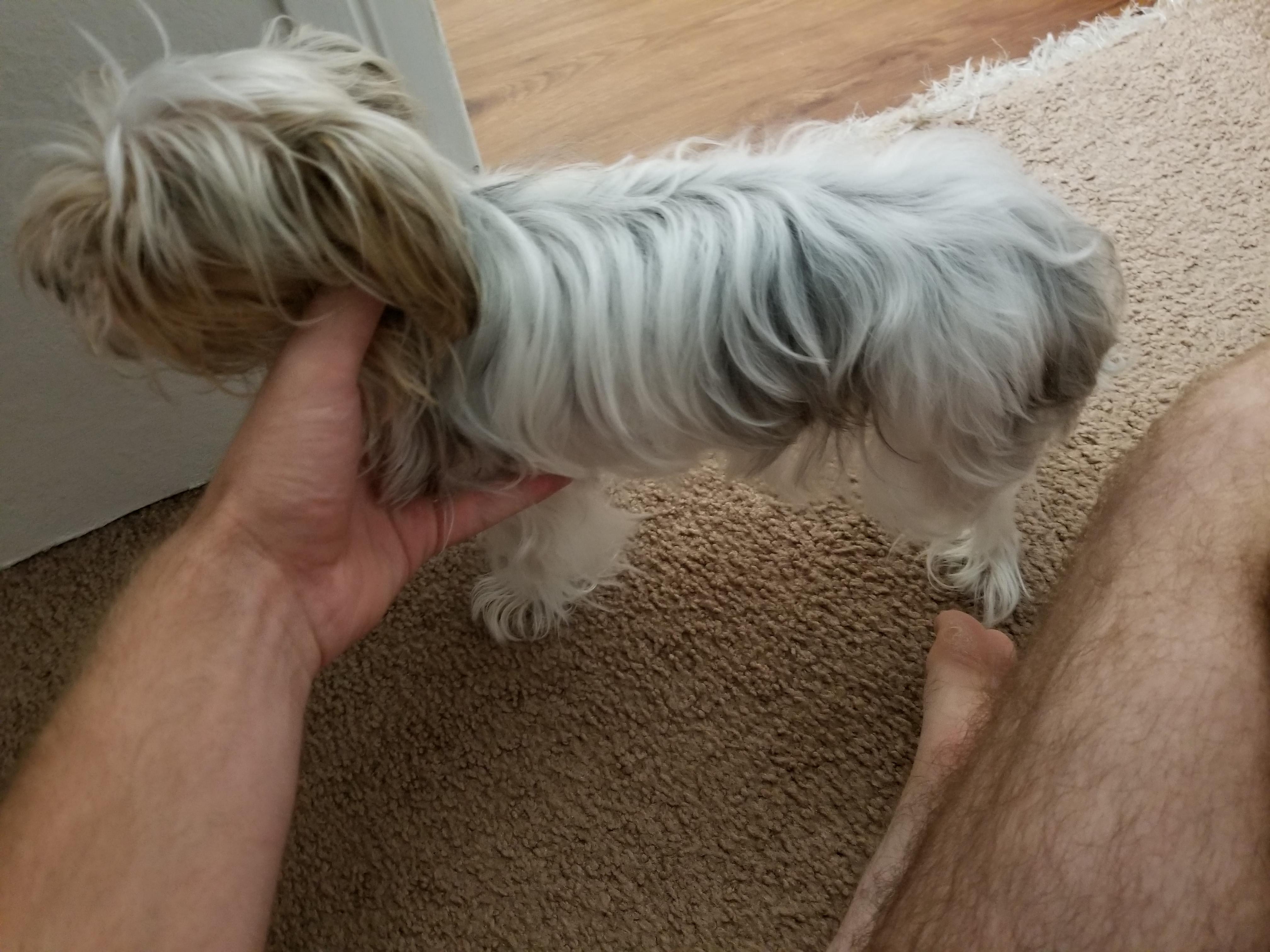
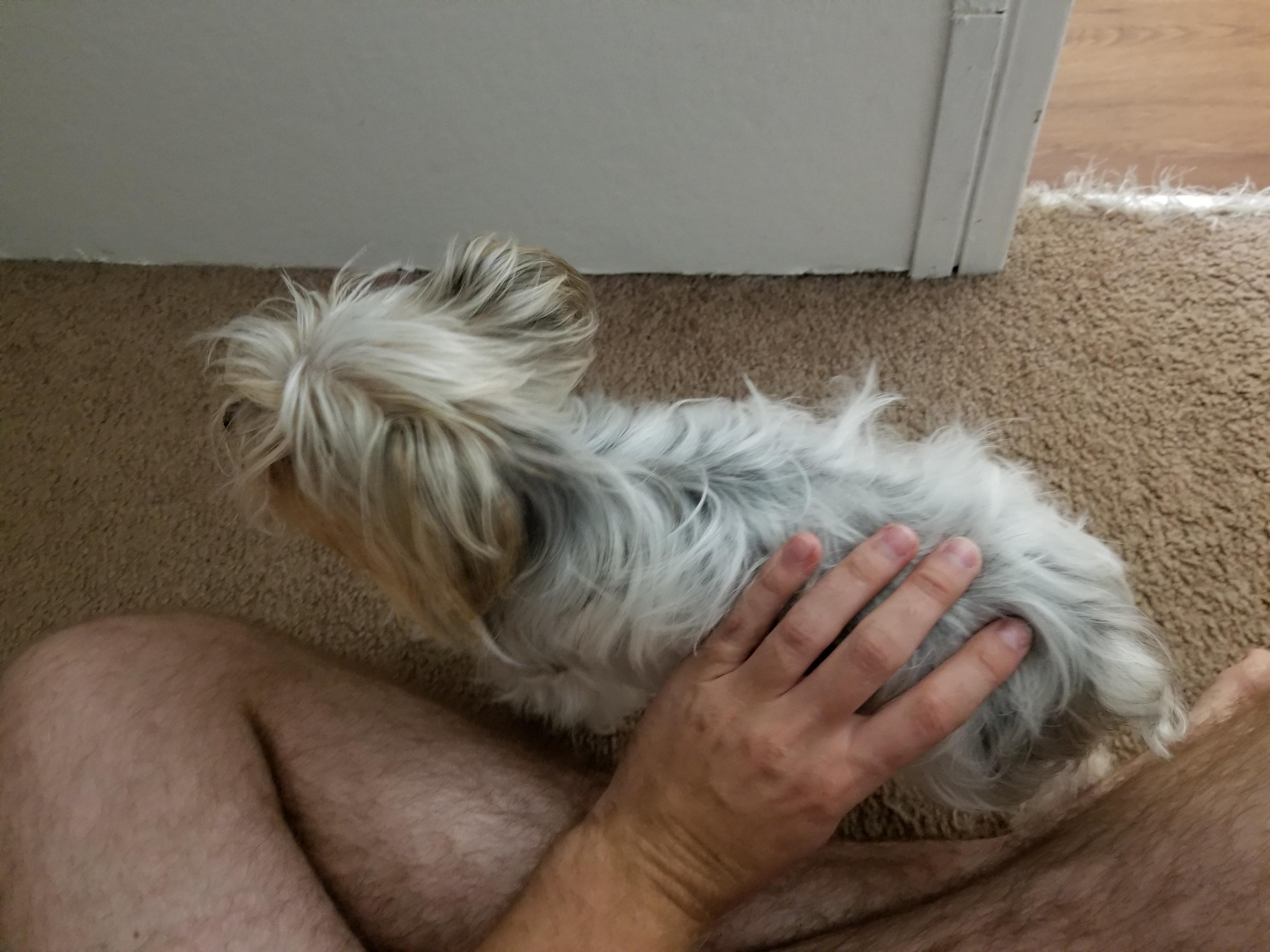
3-5 pound teacup yorkie, started coughing earlier today, now is constant sounds like asthma attack but she stops after a while. Wheezy cough a few times then gags line she has a hairball. Never vomits anything out though. Used to have insurance on her but now i don't. I am broke. I love her so much what do you think it is? Hairball, bronchitis?


3 Answers
Most Helpful Answer

Published on August 2nd, 2017
Hello! A cough like the one you're describing in a little dog like Lace, I'd be worried about a collapsing trachea or congestive heart failure - both conditions are very common in little dogs and can cause dramatic coughs. Other possibilities would be kennel cough, pneumonia, allergies, and parasites. Hairballs are pretty uncommon in dogs, though bronchitis is possible if this were an allergic issue - but allergic coughs usually start at a younger age. With such dramatic onset, I definitely recommend having Lace seen by a vet, and anticipate they'll take chest x-rays to evaluate what's going on with her heart and lungs. Hope this helps.

1Pet Parents found this answer helpful
Related Answers from Veterinarians
-
Published on June 24th, 2019
Dogs do not generally get hairballs and I'm much more concerned about something else causing the coughing. Unfortunately, it's impossible to know the underlying cause of the coughing without a physical exam and possible radiographs. Pets can cough due to allergies, parasites, heart disease, lung disease, cancer, infections or something stuck in the throat. Treatment is different for each of these conditions. I recommend to have Aso examined by his veterinarian today. Best of luck.
1Pet Parents found this answer helpful
-
Published on June 2nd, 2019
Based on the symptoms and Lulu's age, I would recommend having a veterinarian take a look at her to better assess the potential causes. The veterinarian will want to rule out cardiac and lower respiratory disease, as well as a upper respiratory conditions like a collapsing trachea. In addition to a physical exam, the vet will need to obtain x-rays for a full a better assessment of the affected regions.
1Pet Parents found this answer helpful



My Pomeranian coughs sometimes like she’s trying to hack something in her throat. She does this 4 or 5 times, then she’ll stop like she cleared it up. it almost resembles when a cat coughs up a hair ball. She is very furry, could it be that her hair

Everytime after my dog goes outside she comes back in and acts like she’s about to cough up a hair ball but then nothing comes out, it kinda sounds like she hyperventilating. This has never happened until about a few weeks ago and I was thinking mayb

My dog is a Pomeranian shes aint ate nothing to choke on anything when i leave they all three bark and bsrk til i get bark and this never happened she keeps coughing / gagging like she needs to get something up but i dont think theirs anything and sh

Hello! My dog has been coughing and gagging as if she has a hair ball. She does it multiple times a day sometime everyday. Nothing ever comes out, she just gags

For the last couple of days, my dog has been experiencing this kind of dry cough, like she's about to throw up, but she doesn't, and I'm starting to get worried because it's something that happens everyday and I feel like it's getting worse

my dog is a male long-haired chihuahua. Every day he has coughing fits, he'll be laying down and then he'll start wheezing and coughing. my family says it's just allergies but I'm not convinced. he's been coughing like this for about 2 or so years. h
My ten years old Maltese id having hard fry coughing and I'm noy sure if it's a hair ball or something else.

Hello, My dog (Honey) is 14 years old and she is an indoor dog. My princes, started coughing and sounds like she is going to vomit but doesn't. She has actually vomited twice in the week, so I started giving her biled chicken and some blend rice, in

Hi, for the past 2 weeks my dog has been doing this weird wheezing sound and coughing/gagging. At first it was just after he ate and now he does it all day long and I'm not sure what it is.

My dog keeps coughing upon exertion. When she starts coughing, her whole body shakes, followed by something like a final retch. She's a maltese. We have brought her to several vets and went for a chest x-ray too. The x-ray showed a little narrowing

Book an appointment with the pros – our expert vets are here to help.
