


How to stop my dog from barking at the TV, doorbell, and visitors?
Updated On September 23rd, 2025
Pet's info: Dog | Coton de Tulear | Male | neutered
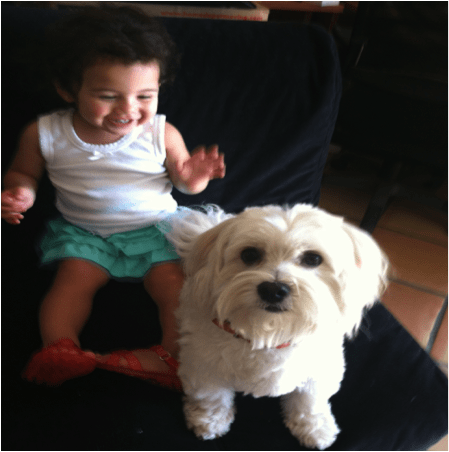
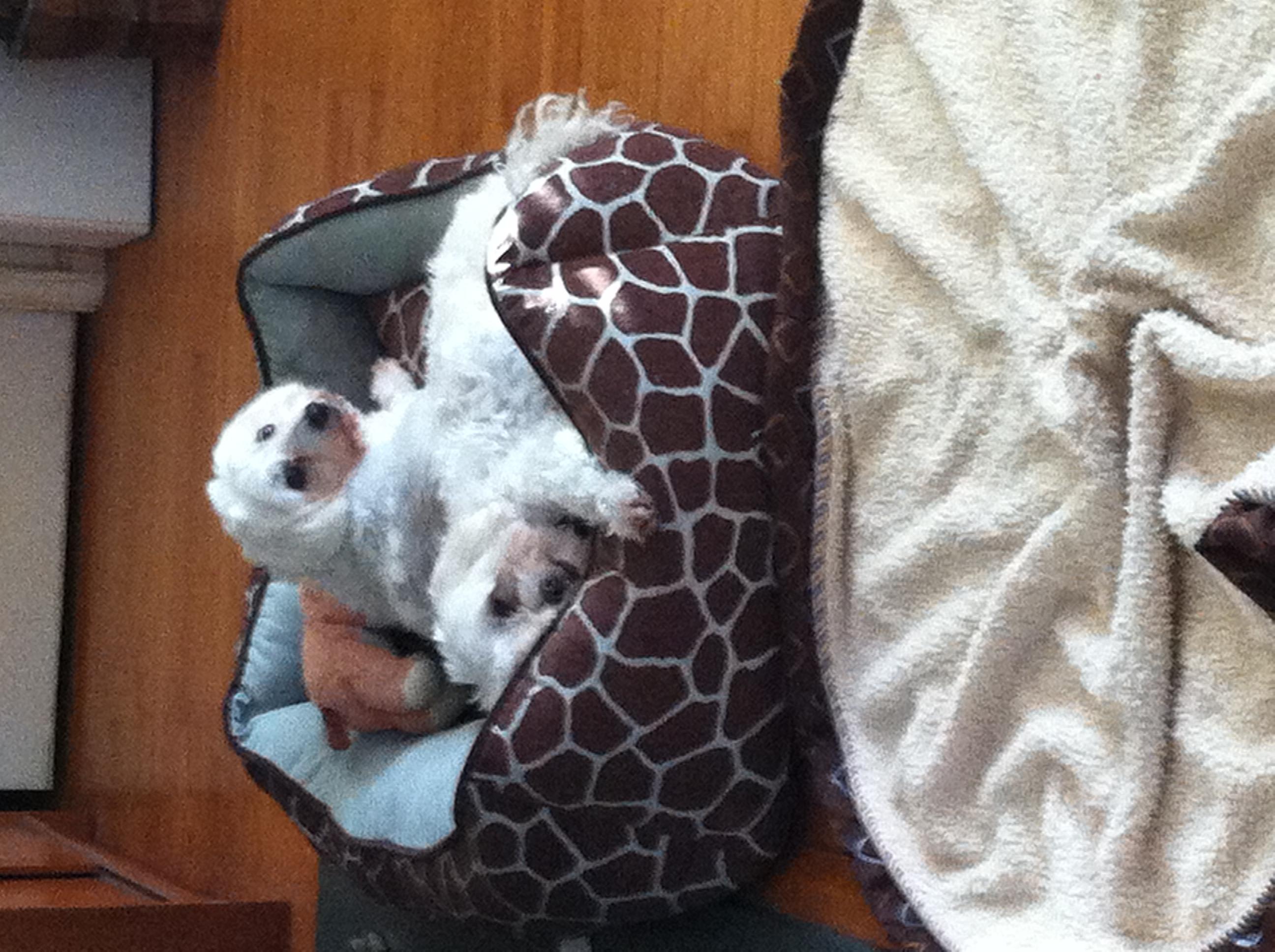
I have two male rescue Coton de Tulear dogs. Murphy is 3 years old. Happy is a mix Coton/Maltese/Poodle? and is 8 years old. I rescued Murphy last summer after my 15 yr. old female Coton died and Happy seemed so sad. Murphy is super needy and always wants attention. He has started barking on almost everything he sees on the T.V. that has pets/action scenes; when my husband calls my name or the phone/doorbell rings and when anybody, even us, come to the door. How do I curb his barking. Thank


1 Answer
Most Helpful Answer

Published on August 2nd, 2017
Hello, sorry to hear about Murphy. He may be experiencing fear or anxiety or he has learned that barking gets him attention. Here is a couple of tips from a handout explaining why dogs may bark and how to manage them. Hope this helps. Barking is a normal behavior for dogs but can become a serious problem for owners, potentially leading to eviction, legal action or relinquishment of the dog. There are many different normal motivations that will cause dogs to bark, including territorial defense, fear, play, social facilitation and learned barking. Be aware that your dog may have different reasons for barking at different times. Genetics plays a role in barking as well, and some breeds are more predisposed to excessive barking than others. There are some very rare and complex disorders that can lead to barking, including compulsive disorders, vocalization stereotypies and barking secondary to separation anxiety. Why your dog barks - Fear or anxiety o Watch your dog when it is barking to determine if fearful body language is shown. This may include some or all of the following: tail tucked or low and wagging, ears down and back, eyes diverted away from feared object with the white of the eye showing, lips retracted horizontally, lip licking, panting, leaning back and away from the stimulus - Territorial defense o Your dog barks at people or dogs approaching its territory (including your house and possibly your car or the area around your dog when on leash) - Learned barking (“attention-seeking”) o Many dogs bark to get a desired reaction from their owner (attention, food, to get inside or outside the house, etc.); barking will increase if the dog successfully elicits the desired reaction - Social Facilitation o Dogs bark in response to stimulation from other barking dogs o Play barking occurs when your dog is playing (with another dog, person, a toy, etc.) What you can do to stop your dog from barking - Make sure your dog has plenty of physical activity and mental stimulation! - Avoid situations that cause your dog to bark as much as you are able - Teach your dog some attention games so that you can easily interrupt undesired behavior o ”Come”: This helps you get your dog’s attention even in a high-arousal situation o “Target”: Teaching your dog to touch its nose to your hand or an object on command will also allow interruption of undesired behavior and focus your dog’s attention on you - Positively reinforce desired behavior o Praise your dog and give treats when your dog is quiet! o Teach a “Quiet” command Stage situations where your dog will bark; when barking stops reward the quiet behavior and begin to associate it with a “quiet” command If you have difficulty interrupting the barking, use a head halter to close your dog’s mouth and stop the barking - Desensitization and counter-conditioning to the triggers o These techniques allow you to address the underlying stimulus that causes your dog to bark and are especially useful if your dog is fearful o Desensitization: in this technique the inciting stimulus is very slowly introduced in such a way that the dog never reacts; the intensity of the stimulus is increased over time, but never rapidly enough to elicit barking o Counter-conditioning: the goal of this technique is to replace a negative response to a stimulus with a positive response by pairing rewards with the aversive stimulus - Bark collars o The use of bark collars is controversial and can cause stress o Bark collars should never be used in a dog that is anxious or fearful Some things NOT to do - Do not reward your dog for barking o The reward your dog is seeking may be your attention (even if you get mad!), a treat, getting in or out of the house, etc. o Terminate play when your dog barks in order to teach your dog that barking during play is inappropriate - Do not yell – loud noises may likely encourage more barking DO NOT PUNISH YOUR DOG

2Pet Parents found this answer helpful

My dog barks at everything! Excessively and loud he will bark at visitors and even anyone who passes the house. He's a 3 year old maltese and he just doesnt listen. Weve tried ignoring, making him sit once we hear him but i think my mum cancels out a

I rarely take my dog outside, most of the time I leave her in the garden for a couple of minutes. But when I do take her outside,she barks at all the dogs she sees and starts to so shake.Should I take her outside more often and if yes what should I c

I have a toy poodle and he barks when my husband talks to me. How can we stop this?
Mitch is a maltipoo who is just turning 3 years old. We got him a from an Amish breeder, no matter what we try he continues to bark at animals on the tv( to the dismay of our neighbors( we live in an apartment). We have tried calming collars, train
My dog doesn’t bark at other dogs but when she is inside she tends to bark at dogs that are walking outside. Why does she do that? How can I stop this behavior?
I live in a duplex and the neighbors are really loud. My dog barks at them all the time and I don’t know how to stop it. I’m not a fan of bark collars and muzzles so I need to figure out a way so I don’t have to use them. Thanks in advance!
My brand new rescue (1 year old, most likely a Chihuahua/Terrier mix) was great the first three days other than barking at large dogs during walks. But now she is barking incessantly both inside and outside the apartment, and I'm not sure what is set
My puppy barks at any sound or any person she sees outside. Sometimes she'll stop right away once we tell her to, but other times she'll keep going. What can we do?
Aki barks non-stop and it's late at night here. She won't sleep and I don't know what to do. I played music for dogs to sleep but she just keep on barking on it. How do I get her to sleep?
My 1yr old Labrador has recently started to bark and growl whenever people try to pet her, she has had no traumatic experience with strangers and sometimes just barks at people for what we can see, as no reason. Please can you help us to try and stop

Book an appointment with the pros – our expert vets are here to help.
