


My long-haired cat is throwing up hairballs and food. Is it normal?
Updated On September 23rd, 2025
Pet's info: Cat | Domestic Mediumhair | Female | spayed
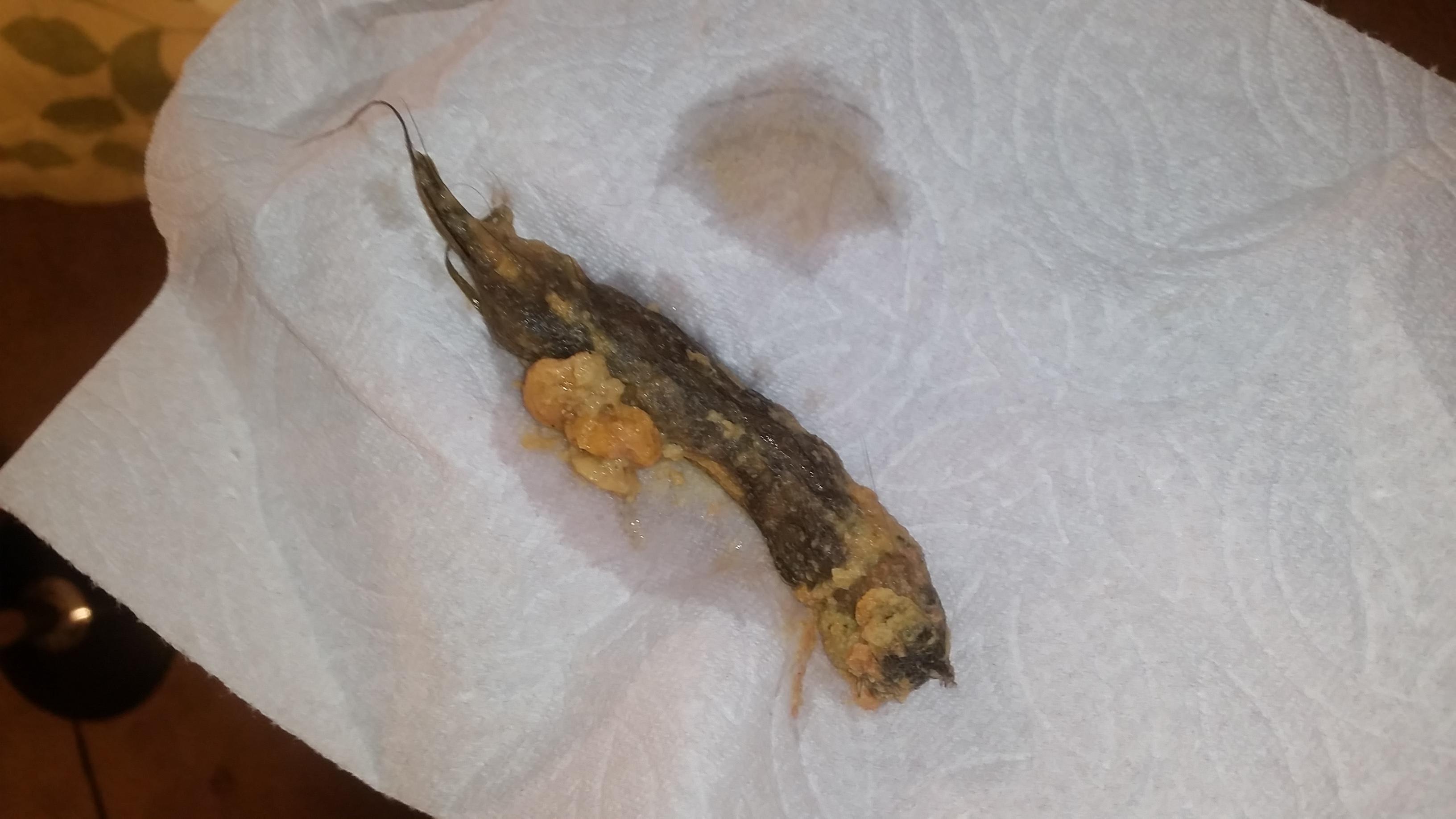
My long-haired cat is throwing up hairballs and mostly-digested dry food (no blood or mucus). I thought a hairball now and then was normal, but this is the 3rd time she's had one in the last month. She doesn't have a signal (drooling, etc) that indicates she's about to throw up. She's an older indoor/outdoor cat and the second time she threw up lizard chunks also came out with it. I give her Lax'aire every so often (about once a week or so), but now I'm not sure if it's helping or not.


3 Answers
Most Helpful Answer

Published on July 12th, 2017
While vomiting hair occasionally is normal for some cats the increased frequency you have described is concerning. It is possible at Midnight is grooming more due to a seasonal coat shedding or she may have some underlying intestinal irritation contributing to the vomiting. Cats that hunt are at higher risk for parasites and this can also contribute to vomiting. If the increased frequency of vomiting continues or if you notice any other signs such as decreased appetite, lethargy or weight loss, I would recommend that you have her seen by your veterinarian. They may recommend checking a stool sample for parasites and possibly blood work to rule out other potential causes for vomiting such as kidney disease or thyroid problems.

1Pet Parents found this answer helpful
Related Answers from Veterinarians
-
Published on April 6th, 2017
You are monitoring all the correct things to ensure your kitty doesn't get sick. If you haven't seen any vomiting, regardless of whether she vomits up hair, it is hard to interpret that this is a hair ball issue. Her walking changes could be due to a source of pain inside her body, such as joint pain, anal gland pain or even an area of the skin that is painful. I recommend looking her over closely, even under the tail, in the groin and underarm areas to ensure there are no areas of matted hair or skin changes. If you do not find anything, I suggest taking her to your veterinarian for a complete physical examination so that any abnormalities that could be contributing to her movements and lack of a good appetite be cared for as quickly as possible.
1Pet Parents found this answer helpful
-
Published on November 29th, 2018
A change in behavior could be from pain or anxiety. Vomiting could have a range of causes, including hairballs, food allergy, eating too fast, GI blockage, intestinal parasites, etc. I would give her some time to calm down. If she is still acting odd or continues vomiting or has a poor appetite, I would definitely have her examined by the vet.
1Pet Parents found this answer helpful


My cat vomits hairballs and food (macerated dry food, urinary and hairball prevention formula from Hill's Science) very often, around once in two weeks. Is this normal for a longhaired cat, or should I take her to the vet?

Lilly has constantly been throwing up hairballs I took her to the vet making sure there was nothing serious underlying blood work came out fine she is shedding a lot of hair I brush her at least daily if not more she still continues to bring up hairb
My cat is very frequently throwing up, she tries to eat then throws it up, first food then clear or greenish liquid, is she just trying to get out a hair ball or is it something more serious
My cat just threw up all of a sudden infront of her toilet. She's been doing okay and its the first time in a while that she vommited. She was just sitting infront of her toilet for about 5 seconds until I called out to her, after which she threw up
I have two cats, a male and female. My female cat has been throwing up her undigested food (dry and wet) and hairballs almost daily. I've tried giving her medicine with her food, but she threw that up too. She's not dehydrated, is behaving normally,
Hi , our cat is an indoor cat , and we do feed her the same food as she won't try other brands and I do give cat treats , she has occasionally vomited sick with hair balls but for two night in succession she's been sick with no hair ? We got the same
My cat vomits after eating, usually the food is whole. She doesn't seem to have hair balls, she does it more in summer. She is thin but she has a thick coat she sheds in summer.

My cat throws up somewhat regularly- probably once a month or so. Today his vomit looked to possibly have a small amount of blood in it. Is occasional vomiting normal? What could be the reason for the blood this time?
My cat has been throwing up at least four days a week. She goes to the Vet every 6 months. They said she is fine. The throw up is sometimes undigested food and other times looks like hairballs. We know when it is getting ready to happen because she m
Hi. My cat has thrown up once in the morning right after eating three days ago and then the same thing this morning. Everything else is normal, she's acting normal, her stool is fine, she is playful, but I am worried because the same thing (throwing

Book an appointment with the pros – our expert vets are here to help.
