My dog has scabs, bumps & hair loss after flea treatment. Why?
Updated On September 23rd, 2025
Pet's info: Dog | Mixed Breed | Female | unspayed | 4 years old
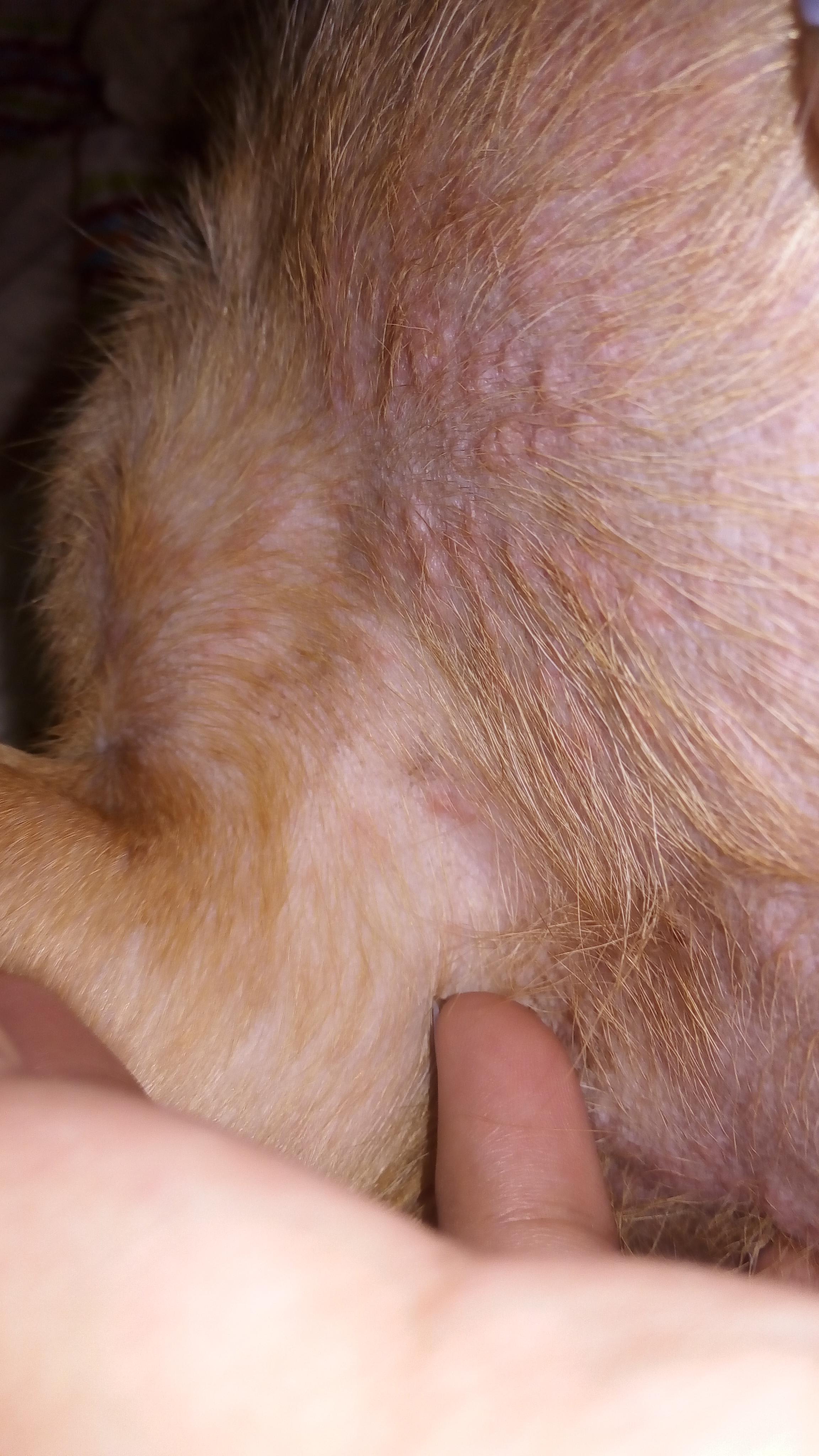
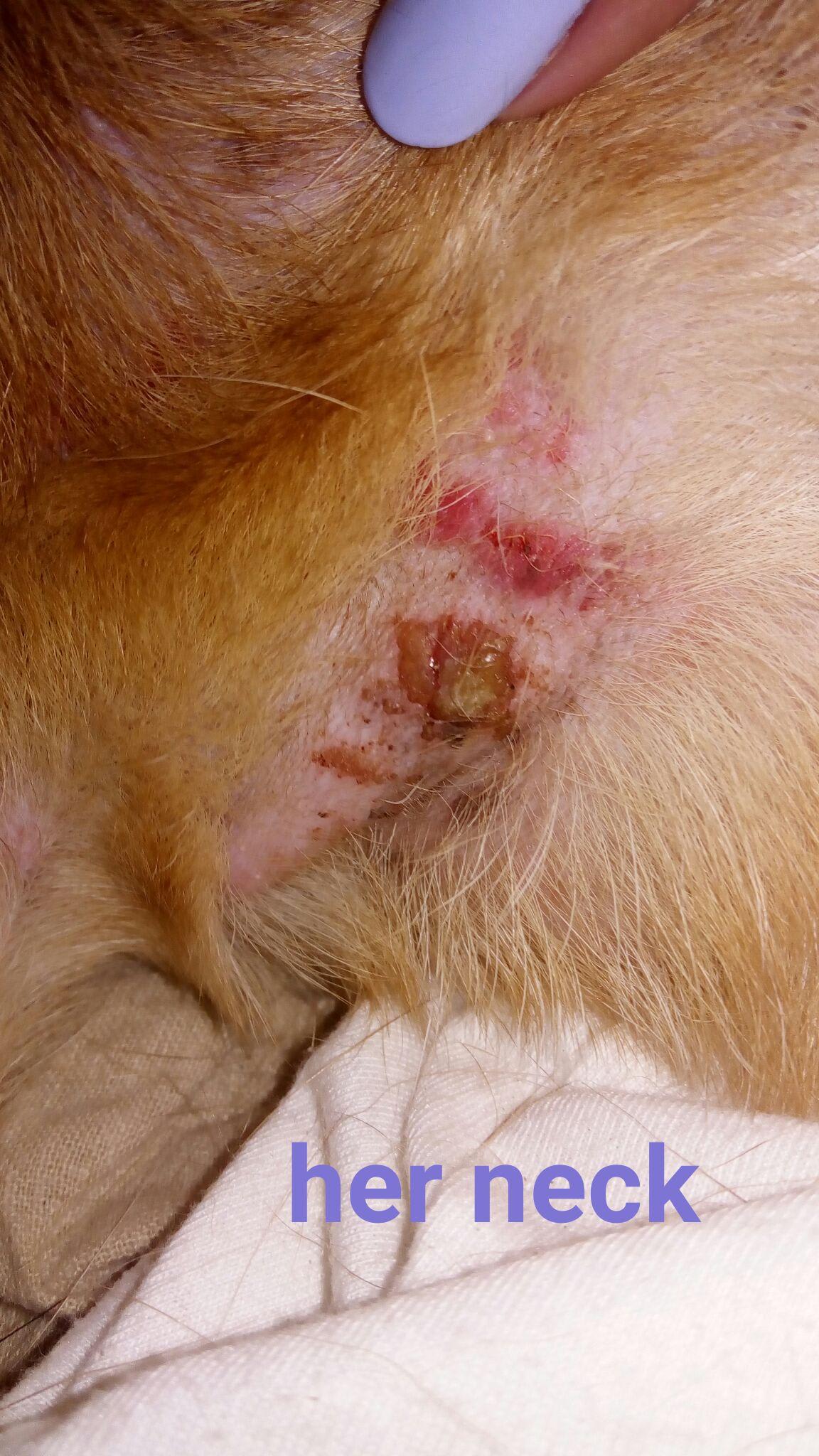
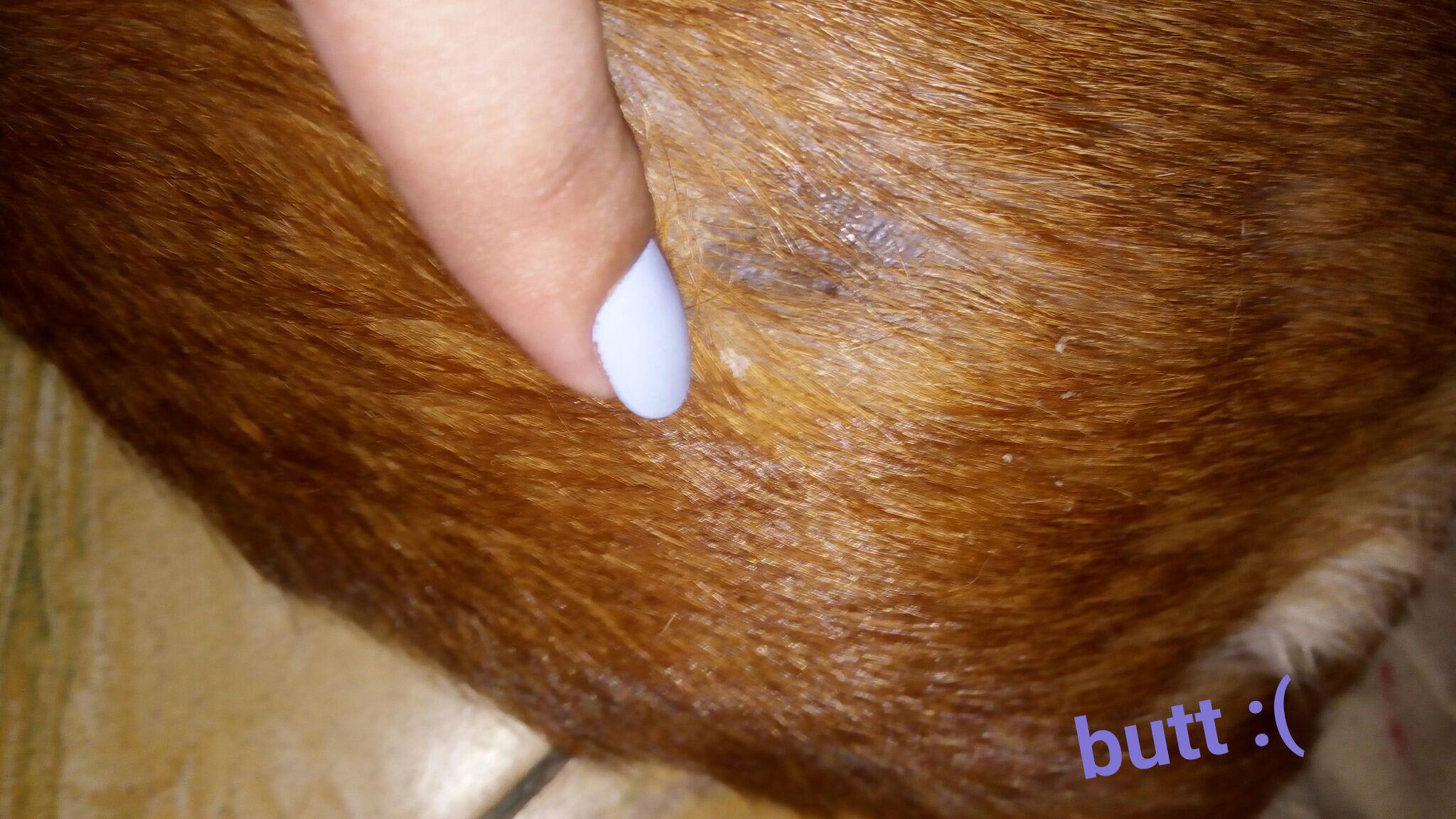
My dog recently got infested with ticks and fleas and has been scratching a lot. We gave her a bath using Bayopet antiflea shampoo then rubbed antiflea powder on her. She's parasite free now ( I think), but she's still itching and has scabs. The fur on her sides (where the ribs are? Near the tummy) are also thining. She also has bald/thining hair patches. What's got me even worried is that she has numerous bumps on her chest and sides. They weren't there whem she still had fleas and ticks. :(


4 Answers
Most Helpful Answer

Published on July 9th, 2017
Hello. I am sorry that Bailey has these issues. Often-times fleas/tick infestations can lead to secondary infections which need antibiotics to treat. This could be the 'bumps' on her side- they could be little pustules of infection. Without seeing her we cannot tell for sure. Also, after removing parasites it can take some time for the skin to calm down enough for the itching to stop. If she was covered in fleas/ticks, it is also possible she also has mange, which may require different medication to treat. The scabs and fur loss/thinning is likely due to itching/scratching and self-trauma from the irritation. Keep her clean and dry, and if you can bring her to a vet to ensure all of the parasites are gone, and to check if antibiotics are needed. Flea treatment also needs to be repeated every 2 weeks for 3 treatments, to ensure you kill the fleas that have hatched from the eggs (the eggs survive your bath). Good luck with Bailey!

1Pet Parents found this answer helpful
Related Answers from Veterinarians
-
Published on July 9th, 2017
Ouch! It looks like Bailey may have a secondary infection from licking and scratching at the area, even if the parasites are gone. It would be best to bring her into the vet to have the area cleaned and antibiotics given to help treat the infection. Some pets can also be allergic to the bites themselves, and may benefit from an allergy medication as well to help relieve the inflammation. Using an Elizabethan (cone) collar until you can get into your vet can help keep her from licking more and causing the infection to spread.
1Pet Parents found this answer helpful
-
Published on July 22nd, 2017
Poor pup! It's possible that her scratching may be a result of irritation from the fleas and from the flea collar. In general, flea collars tend to be ineffective against fleas. As a starting point, you can give your dog a bath in original blue Dawn dish soap both to kill adult fleas and to remove any residue remaining from the flea collar. Be sure to start a high quality flea preventative, such as Nexgard, Bravecto, or K9 Advantix II regularly. Some dogs can develop bacterial skin infections from excessive itching, so if your dog's skin is red and irritated with scabs or pimple-like lesions, she should go to her vet because antibiotics or medicated shampoos may be indicated. Be sure to wash her bedding in the hottest water allowable for the material and vacuum your house daily, taking care to either throw away the vacuum bag or clean the canister regularly to prevent flea eggs from hatching and coming out. I hope this helps and that all goes well!
2Pet Parents found this answer helpful
-
Published on May 26th, 2018
Thank you for submitting your question regarding Debbie. She appears to have small crusts that typically are the result of a superficial bacterial skin infection. This can be due to several causes, but this time of year seasonal allergies are very common. I would start by bathing her with a moisturizing shampoo and condition such as an oatmeal or fatty acid based formula. Also try to prevent her from licking or scratching the area. You can bathe her twice per week and hopefully that will help. If she starts acting ill, the lesions spread or are not resolving, then she will need to see her veterinarian. She may require skin testing to rule our other causes of skin disease and medication. I hope this information helps!
1Pet Parents found this answer helpful



I brought a retriever mix home from the pound a few weeks ago, and immediately put her on Advantage Multi. She was still scratching after 3 weeks so I administered another dose. No change. She is not infested or anything like that, but the scratc

What does this look like to you? My little girl had fleas, pretty badly. I treated the house and her multiple times. She keeps itching, and I now think this is something else. Please note, we frequently go to the local dog park

Hello, our friends has fleas so my boyfriend bought what they used on their dogs just as a precautionary I did not find any fleas on both my dogs. They have had them on for two days I took them off today because I noticed my dogs are weird scabs and
My dog, Keda, has been nibbling on her skin for the past couple of weeks. I didn't think anything of it cause I thought she just had an itch, but yesterday I noticed little scabs on her (presumably from her biting there). She's been on heartworm and

My almost 1.5 year lab mix has seemed to always have some type of skin issue for the past year or so. little pus/ red bumps on her belly & licks belly often. She has been biting & licking her back right paw. I took her to the vet about 3wks ago & sai
Small Black Dog Skin Bumps with Hair Loss what should I do?
My puppy has scabs due to fleas I got rid of them but his hair were the scabs are is coming out but its only in little peaces is that normal.

Alright so it's my dogs first summer (she's a black lab if it matters) So fleas have come out. She has developed these sort of red-ish bumps all over in patches along with hair loss. We have tried flea ointment,shampoos weekly,and flea collars. The
My dog has fleas. I've given her a bath and cleaned the room. How do I treat the red areas on her skin and the areas that have developed scabs?
My dog, lab jack russell terrier mix had fleas, but they are no longer a problem, but she still itches and I have discovered 4 bumps on her skin. She also has some skin changes on her abdomen. I am not sure what to do now. Even her backside has

Book an appointment with the pros – our expert vets are here to help.
