


My dog has chronic ear infections. Could food allergies be the cause?
Updated On September 23rd, 2025
Pet's info: Dog | Greyhound | Male | unneutered | 2 years and 3 months old | 58 lbs
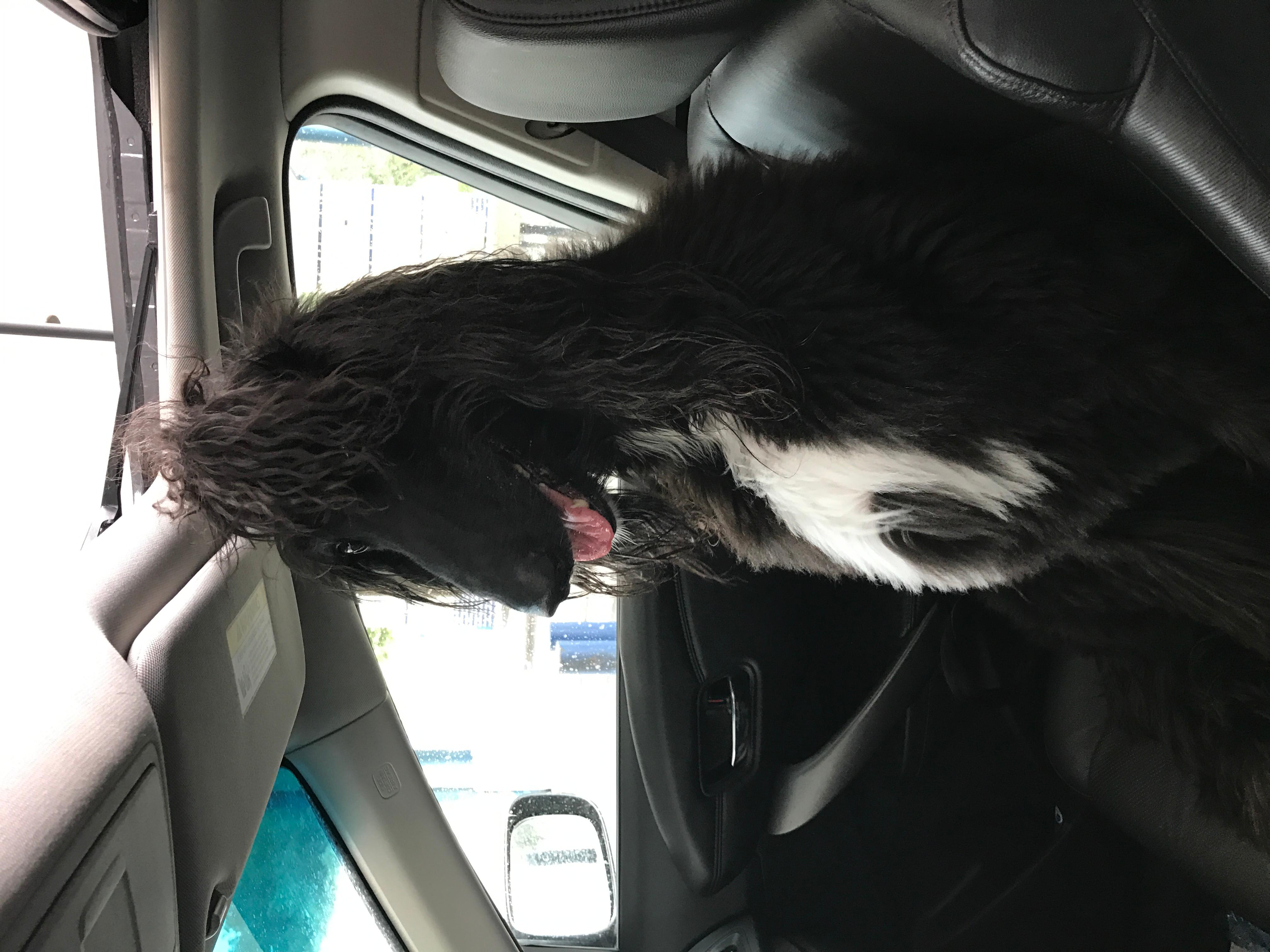
Afghan Hound. 2 years old. My dog continually have ear infections. He is been more than 5 times at the vet office in one rear period. He eats basmati , chicken breast and dry food. mixed twice a day. Every time he goes to the vet, he gets a gel in his ears, antibiotics and a shot (steroid). he is on epoquel now, but I don't see improvement. (Second month) he caught and having trouble to breath at times (wonder if is epoquel causing it) please advice.


1 Answer
Most Helpful Answer

Published on June 20th, 2017
I am sorry to hear of Princeton's ongoing war issues. If you are concerned about possible medication side effects I would recommend discussing this with your regular veterinarian. I would also discuss with them the possibility of food allergies. Chronic/recurrent ear infections like you are dealing with for Princeton can often be secondary for a food allergy, a diet change may be what is needed for him. When considering a new food remember that the protein source is typically the thing that causes the allergy-look at Princeton's current dry food to see what the protein source is. You will need to look for a food with a protein source he has not been exposed to (remember that the chicken you feed mixed with his food is a potential allergen as well). Your vet can discuss any particular brands or products they recommend, and be aware that a food trial for allergies can take 6-8 weeks before any effect is seen. Also talk to your vet about culturing the material in Princeton's ears, if you haven't already. Sometimes the yeast or bacteria that is present becomes resistant. A culture will show what type of organism is present, and what medication is going to be most effective. Your vet can then help you tailor a new treatment plan to try and resolve the issue. I also recommend routine ear cleaning at home using a cleaning solution recommended by your vet. Keeping the ears clean of debris can help reduce the number of infections. Good luck-I hope you are able to get Princeton feeling better soon!

1Pet Parents found this answer helpful

My dog continues to have ear issues despite changing diet and ear drops from the vet

Good morning, we have a 3-1/2 year old female german Shepard that at first we thought that she had ear infections, the vet treated her with ear drop solution, short term. The scratching at her ears continued. Dr subscribed Aboquill ??? it helped shor

Our 2 year old mutt has been getting ear infections pretty often now. Our vet says it's just something some dogs get and to bring him back when he starts scratching his ear again. In the last year we have been in 4 times for this. Is there something

My dog has suffered with ear infections for 9 years. She's had a partial ablation in her left ear but the infection just doesn't shift. It's now impossible to put it drops as the hole that was made its far too tiny and tight. I'm getting sick and tir

Hi I have taken my 18month old staffy to the vets on several occasions about his ears and his itchy skin. They changed his food so now he's on Z/D food sensitivities. Which has helped with the scratching but his ears are constantly infected. We use t

Toby keeps getting ear infections, my vet recommended new dog food, but he refuses to eat any of it.
My Jack Russell has a continual swollen inner ear red with discharge giving him pain. Have washed it out daily with ear cleaner. Vet has seen him numerous times but it come back.

Hi my shitzu cross has been a house pet for 2 years then she got her jabs and she then stared to go outside but since then she keeps getting a ear infection and itches uncontrollable I have seen two different vets and they told me that she is allerg
My dog has had a yeast imbalance since he was a young adult dog. I have removed grain from his diet, I have his hair trimmed closely around his flappy ears to help them breathe better and just recently moved him to a grain free potatoe and turkey die
Hi my dog seems to suffer from her right ear being constantly infected, it’s not swollen or red but it smells and it leaks everyday with hard black chucks stuck in her ear, I’ve been to the vets for over a year with this and they don’t seem that both

Book an appointment with the pros – our expert vets are here to help.
