


My new kitten has its umbilical cord still attached. What should I do?
Updated On September 23rd, 2025
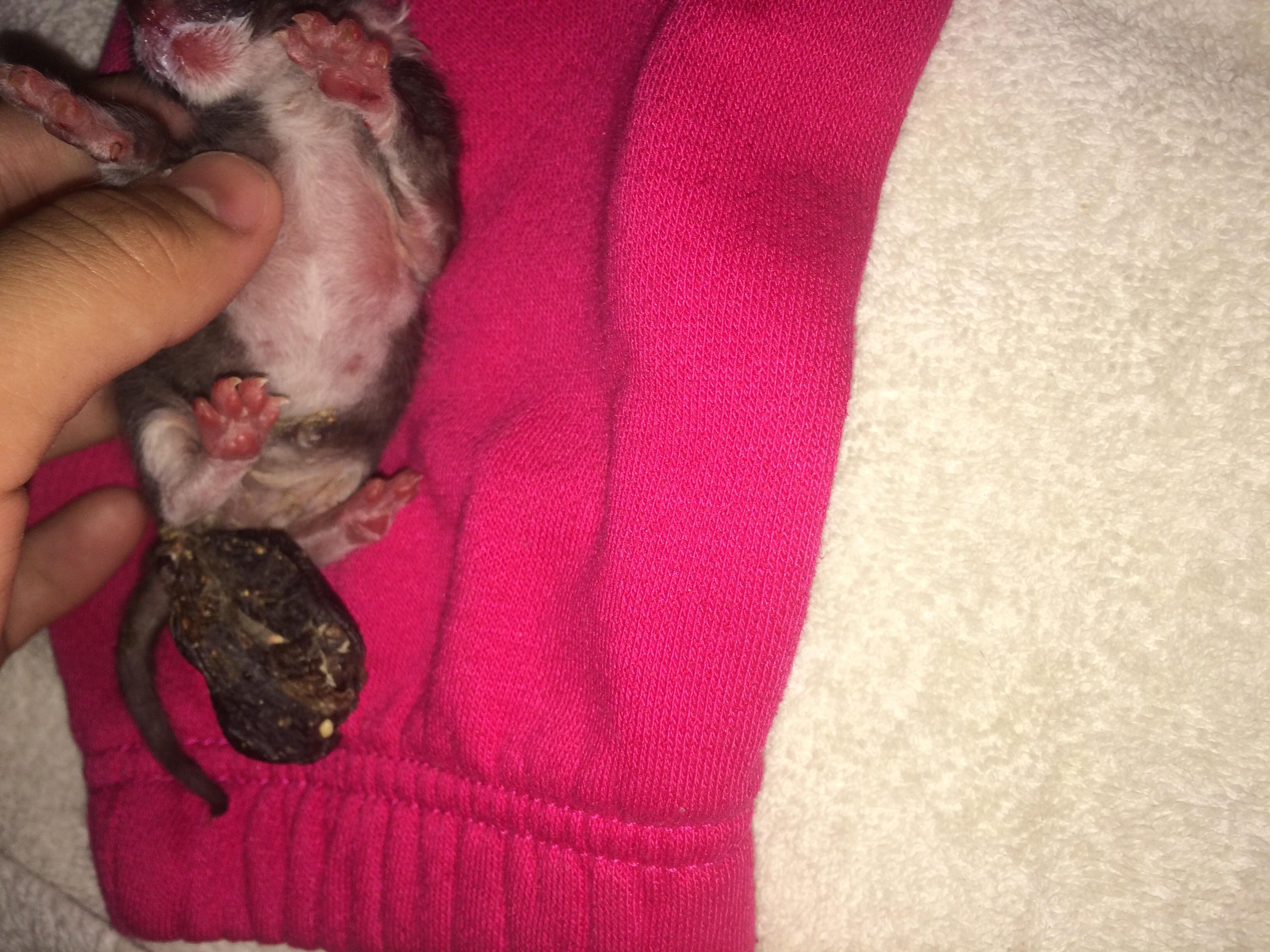
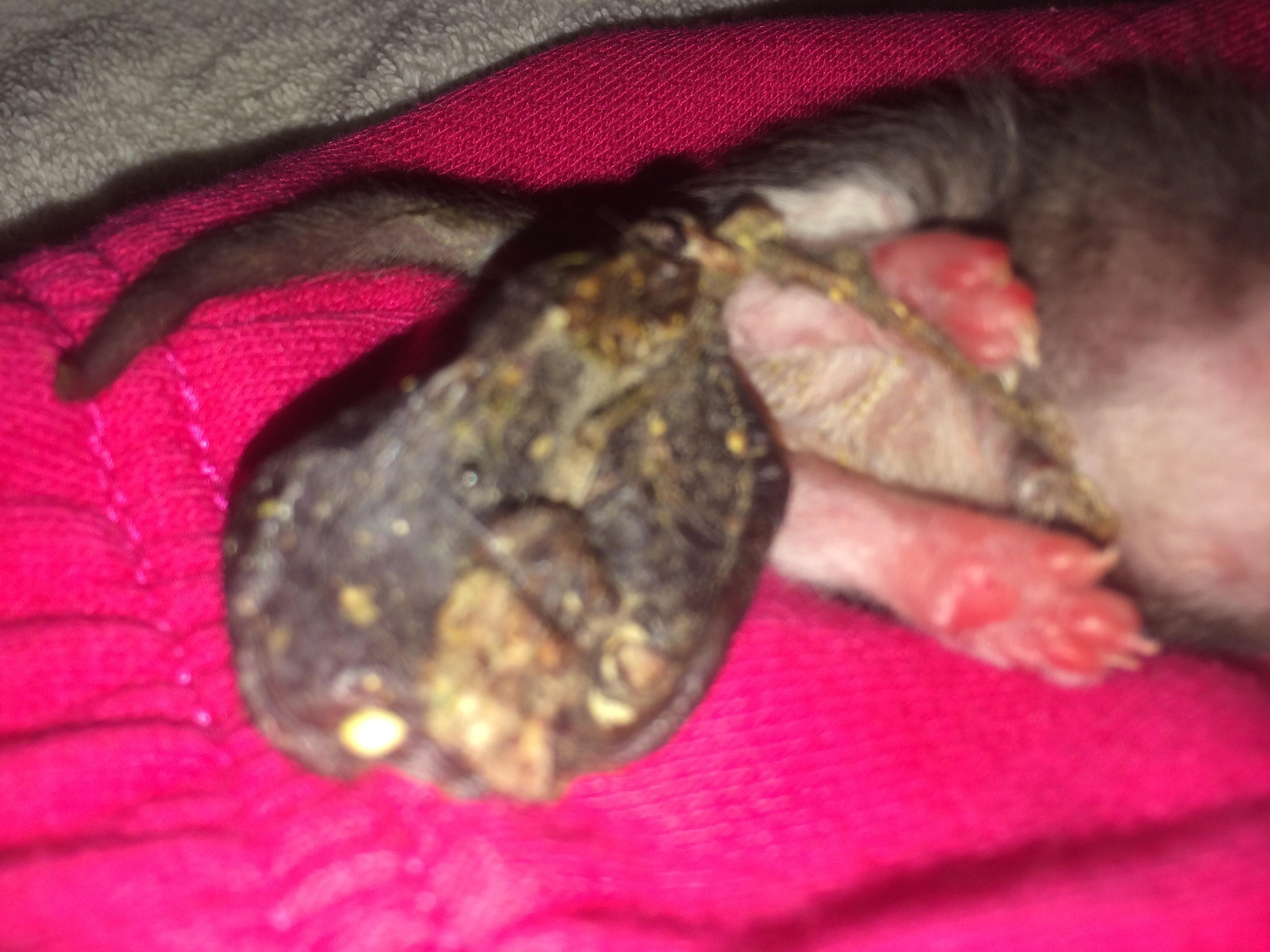
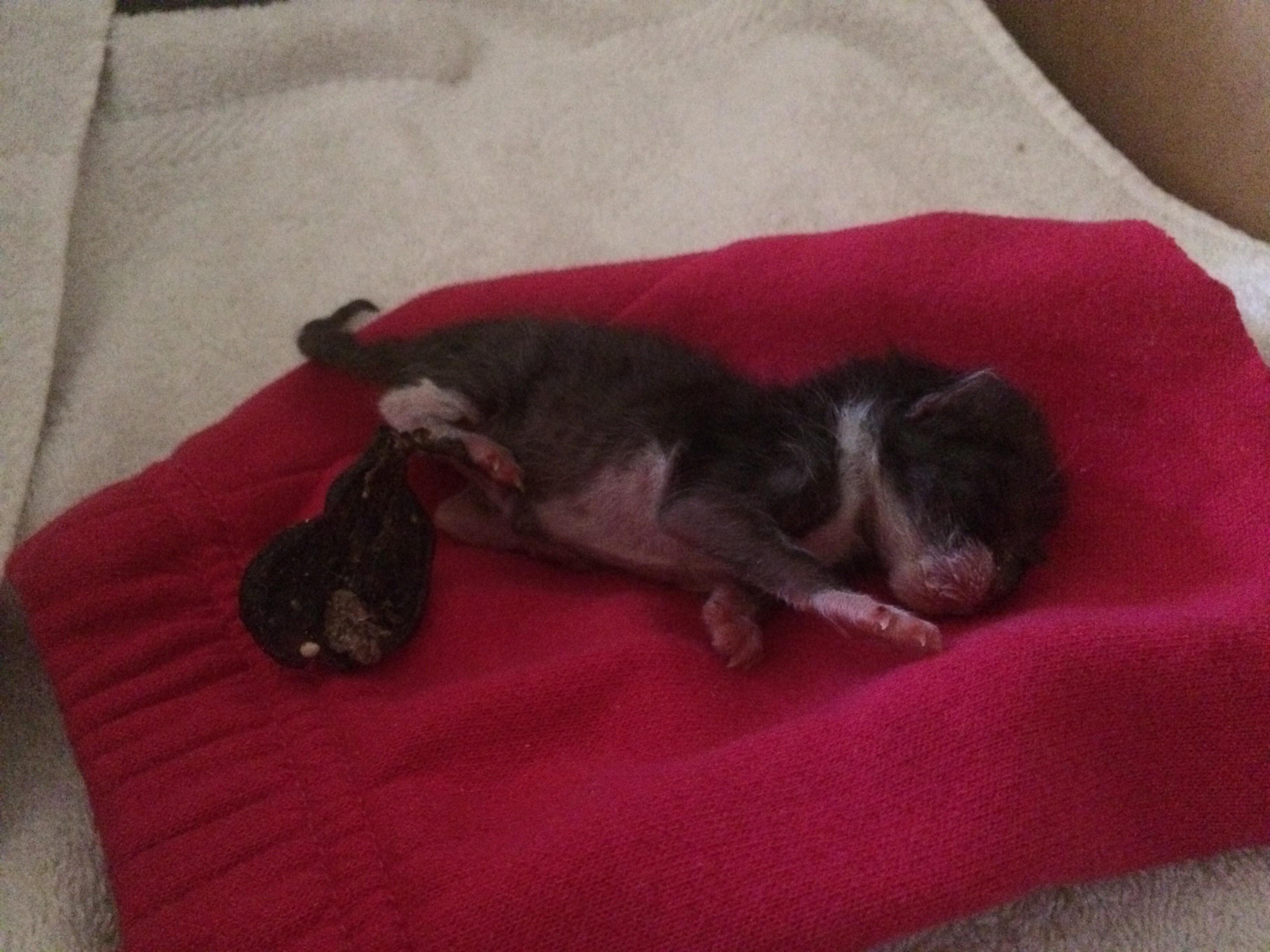
My grandmother found a kitten in her backyard. But there is a sack and a cord still left on it. What should I do?


3 Answers
Most Helpful Answer
Published on May 15th, 2017
The sac and cord need to be removed. In theory you could do this at home, but I would recommend having your veterinarian do this. Cord needs to clamped close to the body, then tied to prevent possible hemorrhage from occurring. The use of thread or dental floss could be utilized if you choose not to have a vet do it. The kitten needs to be kept warm and fed every 2-3 hours for the next 7-14 days. A kitten milk replace will be required.

1Pet Parents found this answer helpful
Related Answers from Veterinarians
-
Published on April 17th, 2017
The cord typically will fall off within the first week of life. A longer cord will take longer because it must dry out sufficiently first. A pair of sharp, sterilized scissors can be used to cut the dried cord if necessary. If you've never done this before, have your veterinarian do it for you. The possible umbilical hernia can be assessed during the exam. These types of hernias are common in kittens. Usually, they don't cause any problems. It can be surgically repaired at the time of the spay or neuter if necessary.
1Pet Parents found this answer helpful
-
Published on March 18th, 2018
Leave it alone. The Mom cleans them and removes the sac and chews down the umbixak cord to a safe distance ... usually an inch or a little less. The remainder of the cord will dry up and go away over the next few days.
1Pet Parents found this answer helpful



I think beans might have an umbilical hernia his cord hasn't fallen off yet and he has a lump under the cord and when I push it, it disappears then it comes back when I don't push push it is it normal for a 12 day old kittens cord to still be attache

My cat had her kittens 10 hours ago. And there is no sack attached to them anymore but the umbillic cord is still attached to there belly . What should I do?

I’m hand rearing a newborn kitten I think he was born Thursday Friday time as his cord is still on his belly I just need another advice on what to do. I’ve had him since Saturday n he seems to be doing well he’s getting his milk through a bottle and
6 days old kitten umbilical cord didn't fall off. but the kitten seems healthy and the cord doesn't seem infected. what should i do? do i have to cut it? if yes please tell me how. no vet around here thank you

Hello, I have a two week old kitty who has a small piece of umbilical cord, which was never chewed off. I saw that it started to harden, curl, and turn black/green. Also, his belly button is slightly another color. The bottom part is pink but the top

Hello! My cat had 5 kittens today. At approximaly 9:03am this morning, well she hasn't bit off the unbilical cords and I have no scissors to do it. I am home alone, and I have never done this before. What do i do? It does however look like she has bi

Have 2 newborn kittens about 8 hrs old. Their ambiblical cords have gotten tangled and wrapped around 1 kittens back legs and tummy. The cords r dried now and i don't know what to do to get them apart. Scared stupid with this. Plz help!!!!

Just found a newborn kitten under our families trailer, we looked around but no mom cat anywhere. Its been a couple hours already with no signs of the mother cat and the kitten still has the placenta and cord attached, what should I do? It's late at
My cat delivered 2 kittens, the 3rd on was still born,she cleaned it but its still attached. The 4th one came out without a problem. What should i do with the o e thats still attached???

How long should I wait to cut a kittens umbilical cord after the mother gives birth, if she does not ?

Book an appointment with the pros – our expert vets are here to help.
