


My cat has itchy ears, hair loss, and is scooting. Should I see a vet?
Updated On September 23rd, 2025
Pet's info: Cat | Mixed Breed | Female
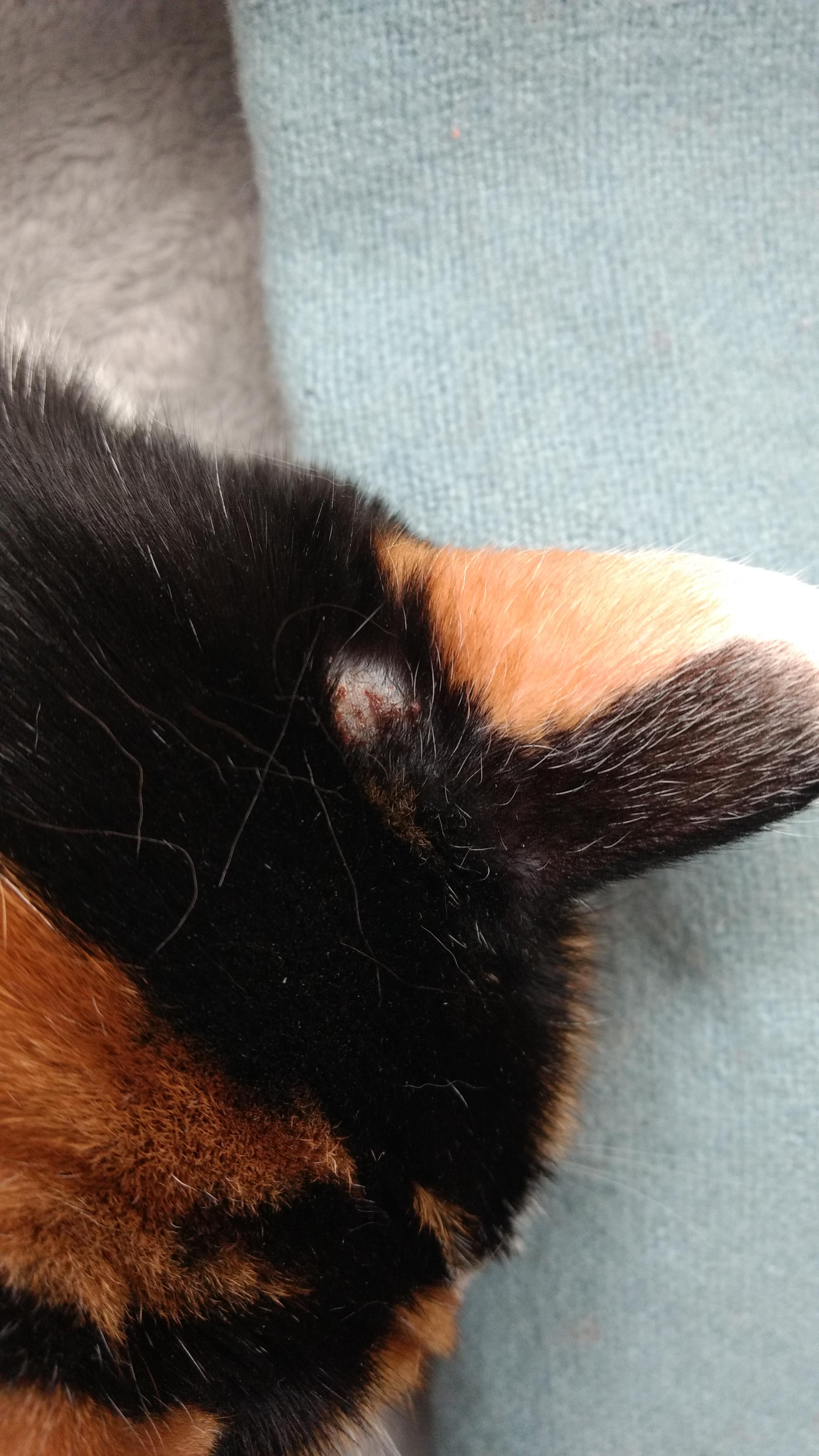
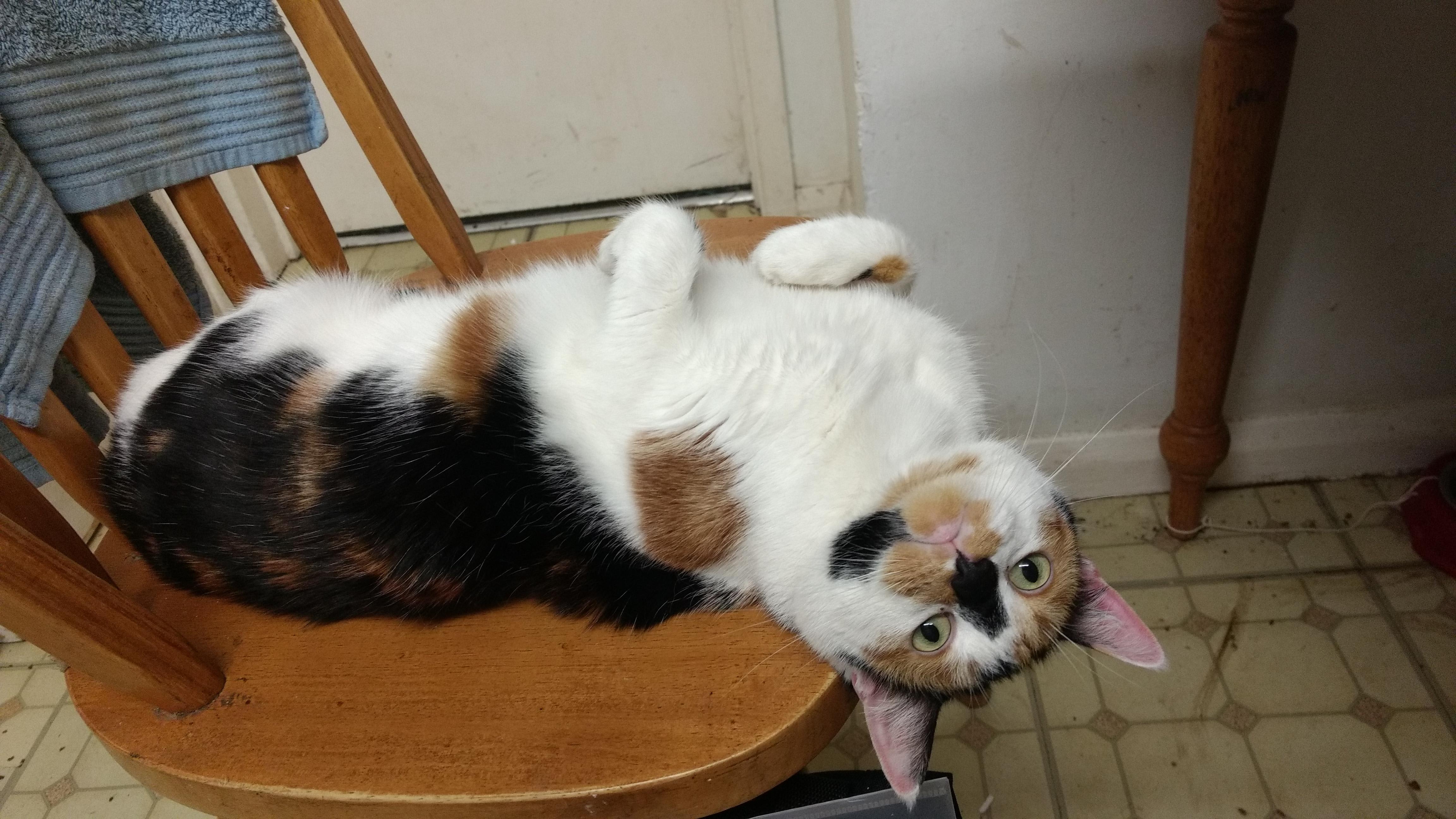
I'm concerned my cat may have a mites. She scratches her left ear a lot recently and behind her right ear in the past week she has lost some hair and a brown substance has formed. She also wipes her bum on the floor sometimes and licks it but i don't think she does this enough for it to be a real issue like ringworm. Also occasionally sick (wet food?) keeps scratching her ear getting irritated though so I'm really unsure. Please can you tell me whether to buy medication or visit the vets Thank


4 Answers
Most Helpful Answer

Published on April 28th, 2017
Cute kitty! It's possible mites could be to blame, however they typically cause problems with the inner ear including discharge/dirty debris. However if Peanut is scratching a lot it could cause hair loss elsewhere. The bottom scooting and occasional vomiting could be related to the ear via an allergy, or may be related to anal gland, digestive, or parasite issues. Since this problem has been ongoing for a bit, and you have a few symptoms you're concerned about it'd be best to schedule a vet exam to rule out anything serious and find the problem causing her itching.

1Pet Parents found this answer helpful
Related Answers from Veterinarians
-
Published on October 16th, 2017
Poor Lily! Her ears look very red an inflamed. Besides ear mites, she could have a bacterial and/or yeast ear infection and might need a prescription medication to treat. She really should be examined by a vet to determine the cause and treat. Your vet can do an ear cytology and then prescribe medications to treat the infection and control the itching.
1Pet Parents found this answer helpful
-
Published on July 9th, 2018
Hello and thank you very much for your question regarding Amber. When it comes to bilateral hair loss and scratching on both ears we begin to think of a few possible diseases. Some of these are environmental allergies, external parasites like lice or mange, flea bite dermatitis, ringworm, and a few others. They generally do not get food allergies at this age but it is still possible that she could be allergic to the blue Buffalo food also. Even if you do not see fleas at all, your cat needs to be on a prescription strength flea and heartworm preventative every single month of the year no matter whether it is hot or cold outside. In order to get a correct diagnosis, you will need to make an appointment with your regular veterinarian to have a full physical examination performed. At that appointment, the vet will probably want to do some testing such as skin scrapes, flea comb, ringworm culture, etc. Your vet should be able to take these test results and put you on the correct treatment that will be able to stop your cats itching and hair loss. I encourage you not to try any over-the-counter medications or supplements, but rather seek a professional veterinarian to get the correct diagnosis. The reason being that the hair loss can spread and your cat can get much worse. I hope I have provided you with the information you needed. Have a great day
1Pet Parents found this answer helpful
-
Published on October 29th, 2019
I would be concerns that the lesion is either ringworm (which humans can get) or an infected bite wound (maybe an accidental bite that occurred while playing). I recommend to have Sophie examined by the veterinarian soon to test that area fro ringworm and get the correct treatment. I hope this helps and please feel free to post any additional questions.
1Pet Parents found this answer helpful



My car has scaly, itchy ears ND top of his head. First symptoms appeared almost 2 wks ago, worsened quickly. Hair loss on areas of scaly skin. Recommendations?

For years my cat had been scratching inside of her ears vigorously. She often cries out in pain while she’s scratching. She shakes her head a lot also. I always thought she had ear mites but when I took her to the vet last year they said she didn’t h

My outdoor cat is losing hair behind his ears and also in front of the ears. He was a stray that took me five months to catch and get neutered. Although we have had him for five years, it's very hard to get him to sit still long enough to get a pic m

My kitten’s ear was hard and crusty the other day and kept itching at it. First I thought it looked like eczema, but I was worried about mites and asked the vet tech to look at it las Saturday when she was trimming her nails, but she said it doesn’t

Outdoor cat has a strange large scab in her ear. I also noticed a strong odor she’s never had before. She is missing cat hair behind her ear. I attached a photo of inside of ear. Her appetite is good always hungry. However I have two cats and one of
My cat has been losing hair on her ear for 3 days now and the skin is a little crusty. I’m not sure if I need to bring her into a vet or not. She’s been eating normal, playing, and doesn’t seem to be itching it at all, however has never happened befo

My cat is scratching her left ear really badly. We took her to the vet earlier this summer and they didn't find anything and simply gave us a steroid Well she's back at it and I had to put her cone back on I hope you can help.. The vet said it wasn't
Hi, my cat is getting patches of baldness. This first place of fur loss was around her tail but patches are now starting to appear between her shoulder blades and neck. She has also been scooting a lot and licking her bottom area. Her appetite seems
My cat has lost his hair on his ear

I’ve had a cat I got from the shelter for about 3 weeks now but I’ve just realized a couple of days now that he has lost hair under his ears. Does he need to see a vet and also we he be able to get his hair back. I heard he’s about 3 months old.

Book an appointment with the pros – our expert vets are here to help.
