Petco Text Logo
Petco Pet Logo

About Italian Greyhound

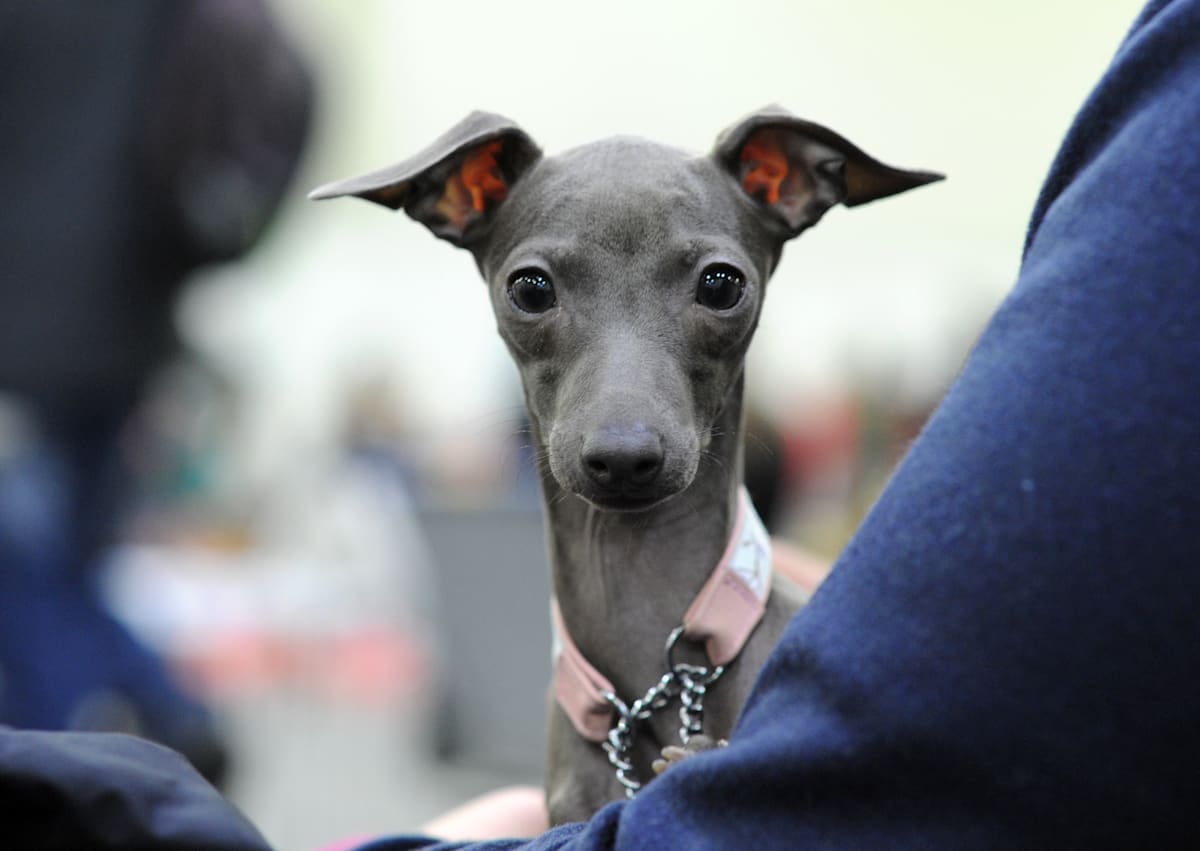
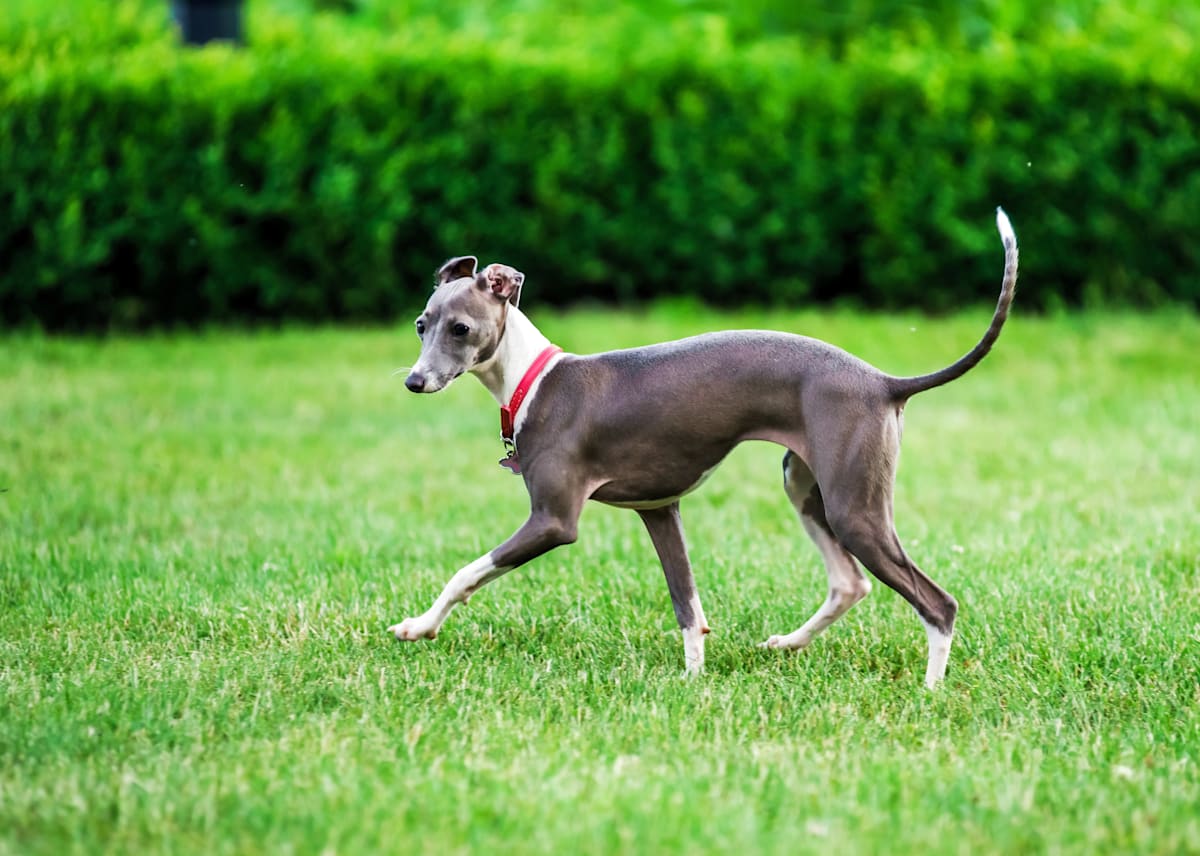
Known for their affection and sensitive nature, the Italian Greyhound is a miniature version of the Greyhound with a similar love of racing.


Origin: Italy   Other Names: IG

Toy Group

The diminutive size and winsome expressions of Toy dogs illustrate the main function of this Group: to embody sheer delight.

Don't let their tiny stature fool you, since many Toys are tough as nails! If you haven't yet experienced the barking of an angry Chihuahua, for example, well, just wait. Toy dogs will always be popular with city dwellers and people without much living space. They make ideal apartment dogs and terrific lap warmers on nippy nights.

Petco Pet Education Center

General appearance

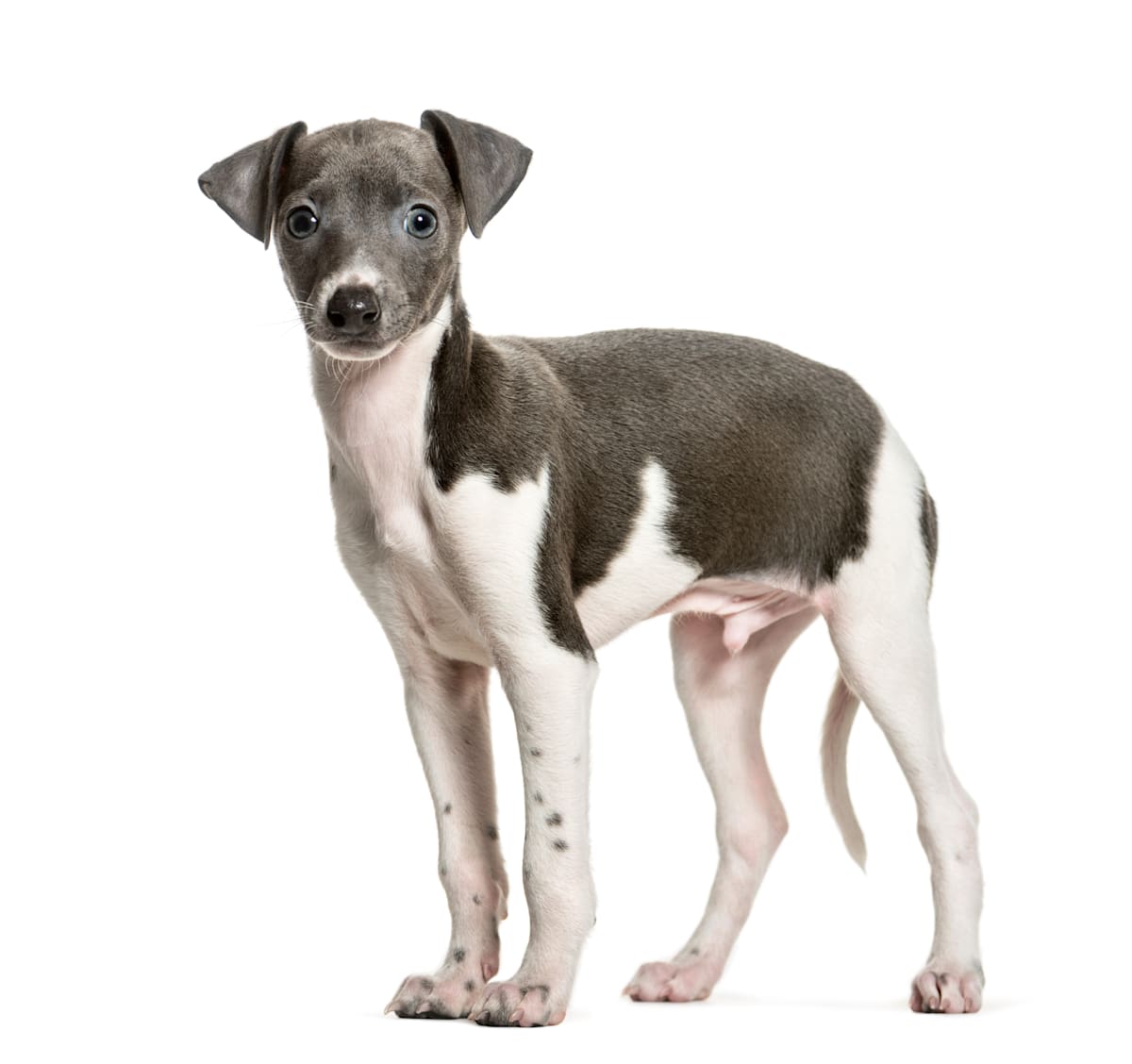
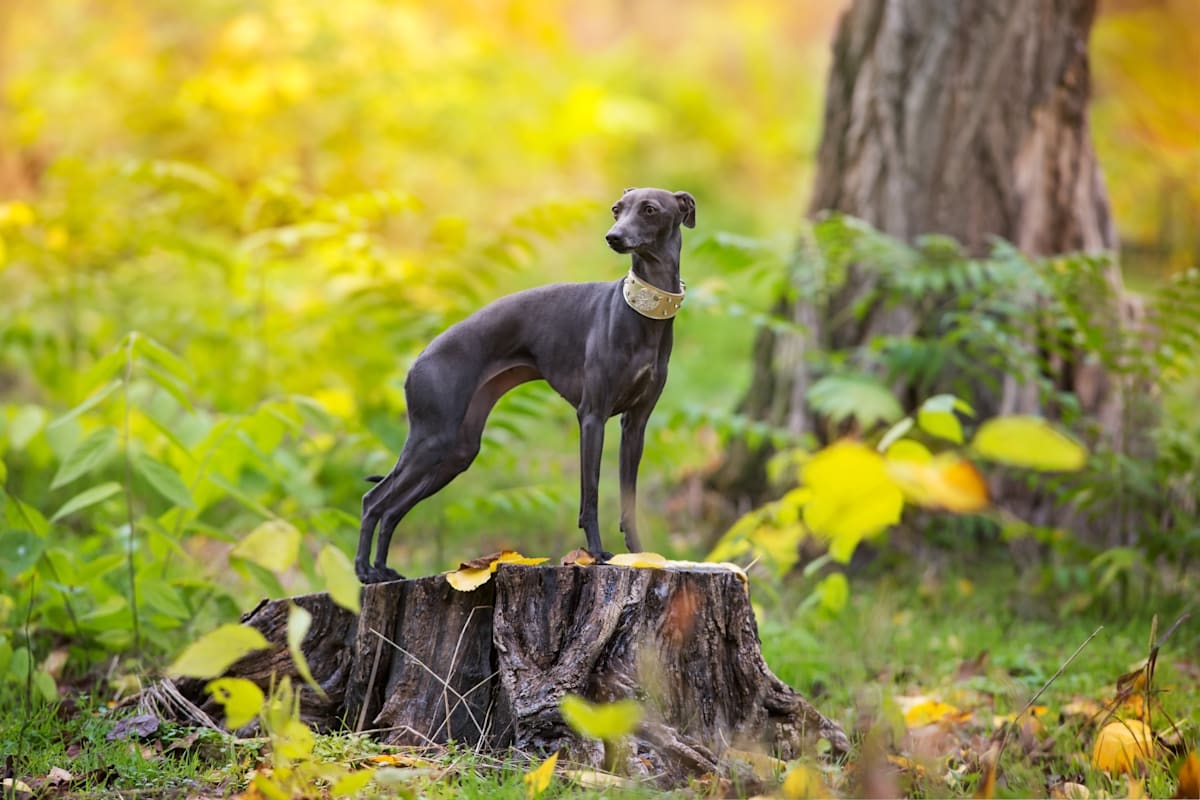
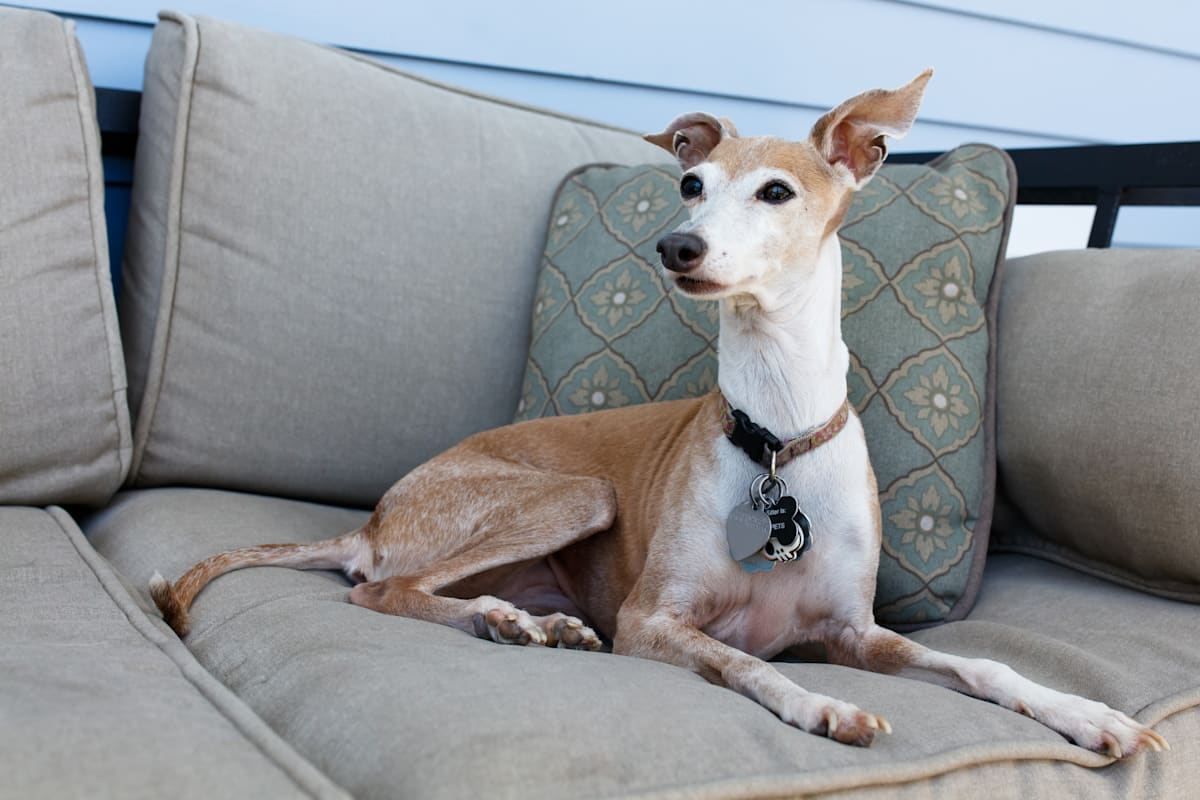
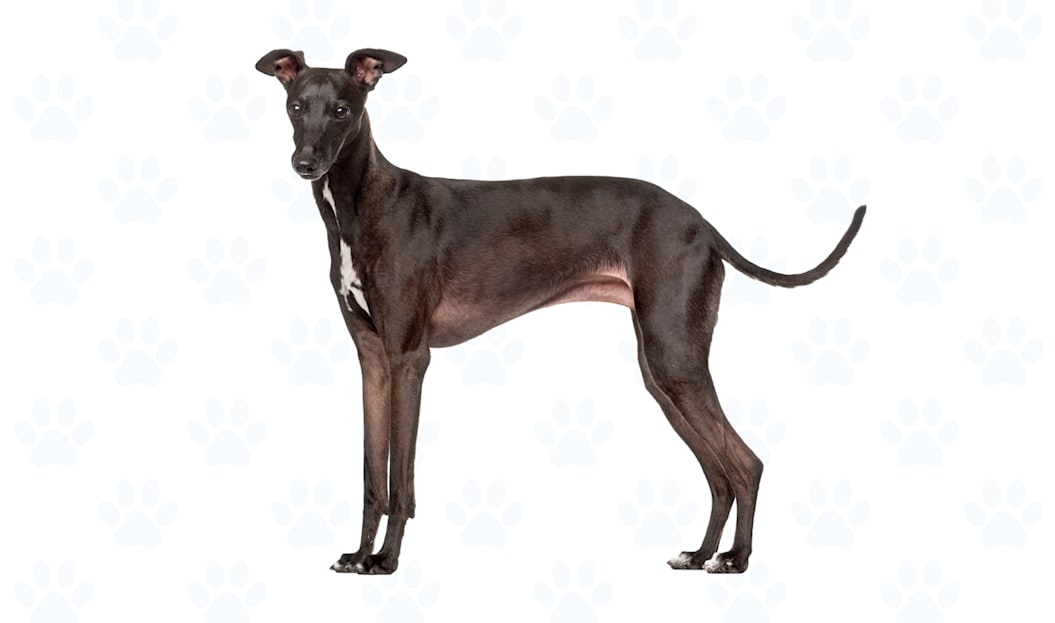
According to the American Kennel Club’s breed standard, the Italian Greyhound is genuinely a smaller, slimmer version of the standard Greyhound. These sleek and diminutive dogs stand between 13 and 15 inches tall at the shoulder and weigh between 7 and 14 pounds. What these small dogs lack in size they make up for in character. Italian Greyhounds are known for being compassionate partners who love to snuggle. However, keep in mind that they will also always be eager to chase a rabbit or mouse running through the backyard, so keep them leashed.

Size & Weight

Italian Greyhounds are in the “Toy” group, and as such, only reach a maximum of 15 inches tall. They generally weigh between 7 and 14 pounds.

Full Grown
Female 13 in. / 7 lbs.
Male 15 in. / 1 lbs.

Height is measured up to the shoulders.

Female Size Chart
Height Figure
Male Size Chart
6 ft. 4 ft. 2 ft.

Cost of Owning

The average cost of owning an adult Italian Greyhound is $900 per year
$250
Vet Care
$200
Grooming & Boarding
$200
Others
$250
Food & Treats

Characteristics

Size

Italian Greyhounds are in the “Toy” group, and as such, only reach a maximum of 15 inches tall.

Tiny
Jumbo

Weight

Italian Greyhounds generally weigh between 7 and 14 pounds.

Light
Heavy

Living space

Italian Greyhounds are small dogs who love to play. They are an excellent breed for either a home or an apartment.

City apartment
Ranch

Exercise

Italian Greyhounds love to run, but can be kept happy with daily walks and play in the home due to their small stature.

Couch potato
Bring it on!

Personality

Known for their compassion and dedication to their owners, Italian Greyhounds make wonderful companions and do well with families and kids alike.

Antisocial
Outgoing

Protection

Although these little dogs do bark, there is not much bite behind it. Italian Greyhounds may try and protect your family, but realistically, the best they can do is wake you up in case of an intruder.

None
Bodyguard

Behavior with kids

With their high energy and a high tolerance for playful behavior, Italian Greyhounds make an excellent dog for a young family. However, because of their diminutive size, children should be taught how to safely handle them. To prevent accidental injury to an IG, it may be best to avoid owning this breed with very young children.

Always monitor
Babysitter

Training

The Italian Greyhound is a sensitive breed, but with reward-based training, you will enjoy a smart, well-trained dog.

Headstrong
Obedient

Shedding

Shedding is generally not an issue for Italian Greyhounds, who have short coats that only require a weekly brush and regular baths.

Minimal
Abundant

Climate

The Italian Greyhound is a small dog without a winter coat. If you live in a colder climate, you will need to invest in a coat and boots for your dog to keep him warm outdoors.

Warm
Cold

Barking

The Italian Greyhound can be a bit yippy when startled, but will be well behaved and generally quiet if it has enough exercise.

Mute
Loud

Temperament & Behavior

The Italian Greyhound is known to be a sweet and affectionate dog who will do practically anything to ensure that you are paying attention to them. According to Gail Giles, an Ontario-based Italian Greyhound breeder and member of the Italian Greyhound Club of America, they can be a little aloof or nervous, simply due to their size. Once properly socialized, Italian Greyhounds are very friendly and enjoy company, Giles says.

Barking: Understanding your dog

The Italian Greyhound has a bit of a yippy bark when compared to its larger relative, the Greyhound, but it still will command your attention. Generally, Italian Greyhounds will only bark when startled or extremely excited. In addition, Giles says that Italian Greyhounds are also known to howl. If you plan to leave your dog alone for the day, make sure that they have plenty of mental stimulation to prevent boredom and unwanted barking.

Training

As with all breeds, Italian Greyhounds respond best to positive reinforcement and treat-driven training. Because they are a sensitive breed, Italian Greyhounds require supportive and kind trainers. These intelligent dogs do well with regular playtime during training sessions. Socialization is important for your Italian Greyhound, but considerations should be made regarding the size of their playmates. Large dogs may unintentionally be too rough with an Italian Greyhound puppy and could cause injury to their delicate skin or slightly built frame.

Habits and Exercise

Although Italian Greyhounds are built for speed, they only need a few walks per day and some playtime to keep them fit and happy. Italian Greyhounds love to chase anything that moves and will continuously amaze you with their speed. The breed has been known to excel at competitive agility, lure coursing, tracking and racing.

Energy Level

Enjoys some moderate exercise every now and then

Energy Level

Nutrition

Weight management is a critical step in keeping an Italian Greyhound healthy. If overfed or insufficiently exercised, Italian Greyhounds can quickly become overweight. Keep your delicately built four-legged friend at a healthy body condition by offering portion-controlled meals of a properly balanced diet. Avoid offering table scraps or too many treats, since these goodies will quickly pack on unnecessary weight.

Daily Consumption

An adult Italian Greyhound eats 1/3 to 1/2 cup of dry food per day

Daily Consumption

Preventive care

Italian Greyhounds are slightly built dogs, and as such, can fracture bones relatively easily. Their light coats offer little protection to their thin skin from injury. In order to minimize the risk of injury, Italian Greyhounds should be handled gently and should avoid playing with very small children or large dogs.


As with all dogs, Italian Greyhounds should receive regular veterinary care, including physical exams once or twice a year. The goal of this care is to diagnose and treat minor problems before they become more severe. Routine daily toothbrushing at home should be performed to decrease the frequency of anesthetized dental cleanings.

Inherited health issues

Generally speaking, the Italian Greyhound is a fairly healthy breed. However, as with all breeds, they are predisposed to develop a few health conditions that can occur at an increased frequency within the breed or through inheritance. These may include, but are not limited to, the following conditions: Pattern baldness, Cutaneous hemangiosarcoma, Cataracts, Vitreous degeneration, Glaucoma and Progressive retinal atrophy.

Life Span

Italian Greyhounds live between 14 and 15 years

Life Span

Did you know?

  • The Italian Greyhound was a stylish choice for monarchs and royal families of the United Kingdom, Denmark, Italy, Prussia and Russia all owned the breed at one time.
  • The Italian Greyhound is the smallest breed in the family of sighthounds.
  • The Italian Greyhound was one of the most popular dogs of the Victorian era.

Coat and Grooming

Italian Greyhounds have infamously short coats that require minimal care. A weekly brushing and regular bathing should be enough to ensure that loose hair is not a problem around the home. Giles also recommends weekly nail trimming to keep your Italian Greyhound’s nails short.

Coat length

Short

Coat length

Grooming

Occasional

Grooming

Shedding

With a short, fine coat, Italian Greyhounds are minimal shedders who will not leave mounds of loose hair around your home. According to the Italian Greyhound Club of America, if you are looking for a dog who needs little upkeep, an Italian Greyhound might be an ideal fit.

History

Tiny though they may be, the history of the Italian Greyhound dates back over 2,000 years. Archaeological evidence suggests that Italian Greyhounds were human companions during the Roman Empire and have been a popular choice since their introduction in Europe. You can spot Italian Greyhounds in Renaissance paintings and Queen Victoria was known for keeping them as pets. The breed was first registered with the American Kennel Club in 1886 and has been a mainstay ever since.