Petco Text Logo
Petco Pet Logo

About German Shorthaired Pointer

German Shorthaired Pointers are a versatile sporting breed with a loyal following around the world. This is a powerful dog with a streamlined body and strong legs for sprinting. Originally from Germany, this breed has long floppy ears and a friendly disposition. They require a lot of exercise to maintain a healthy body and mind. A bored German Shorthaired Pointer will find a way to get exercise in their own way, which may be less than desirable.


Origin: Germany   Other Names: GSP, Deutscher kurzhaariger Vorstehhund, Deutsch Kurzhaar, Kurzhaar

Sporting Group

Naturally active and alert, Sporting dogs make likeable, well-rounded companions.

Dog breeds in the Sporting group are usually remarkable for their instincts in water and woods, and many of these breeds actively continue to participate in hunting and other field activities. Potential owners of Sporting dogs need to realize that most require regular, invigorating exercise.

Petco Pet Education Center

General appearance

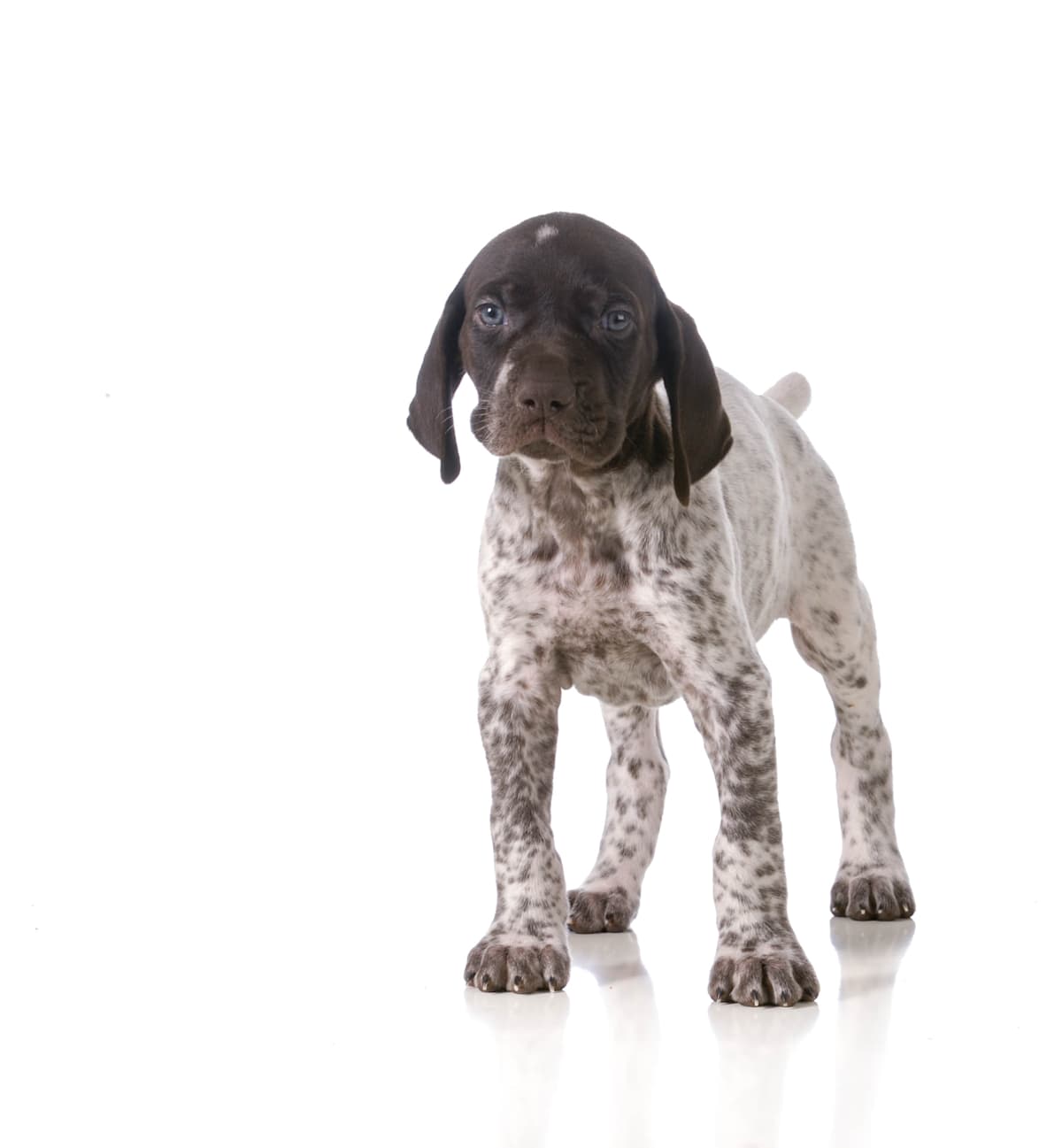
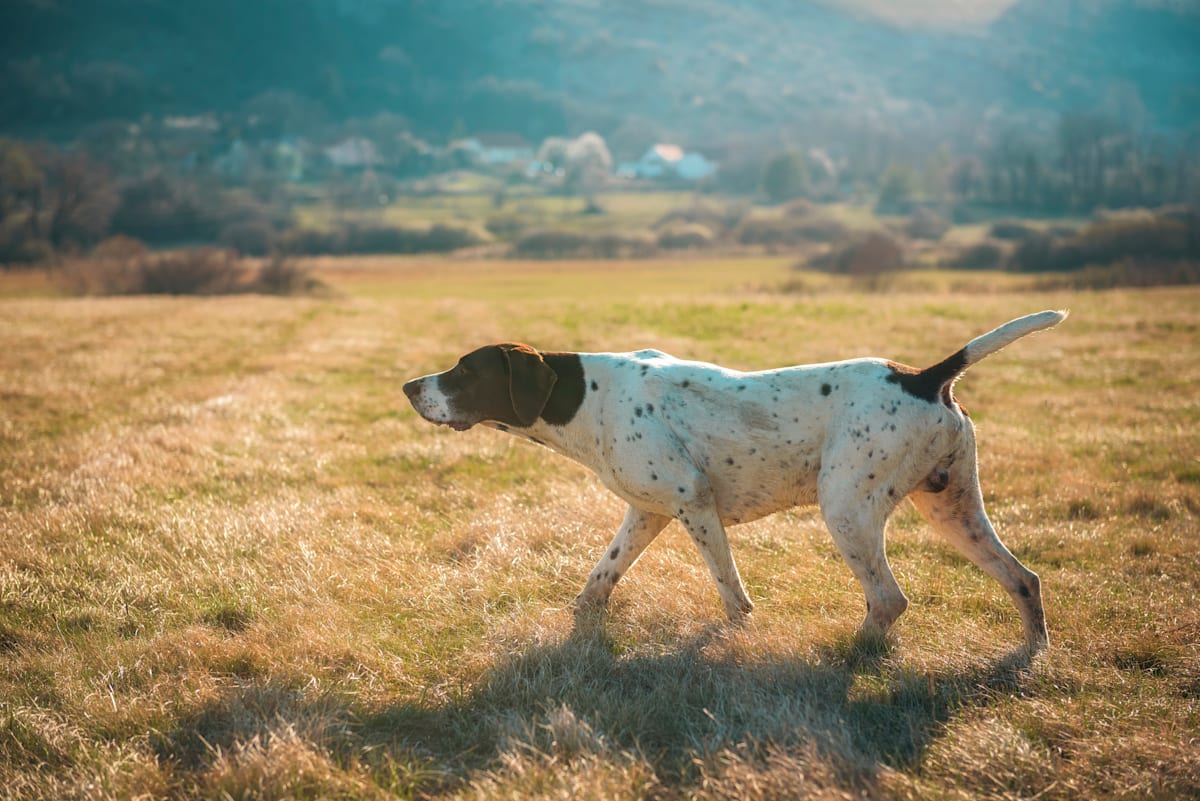
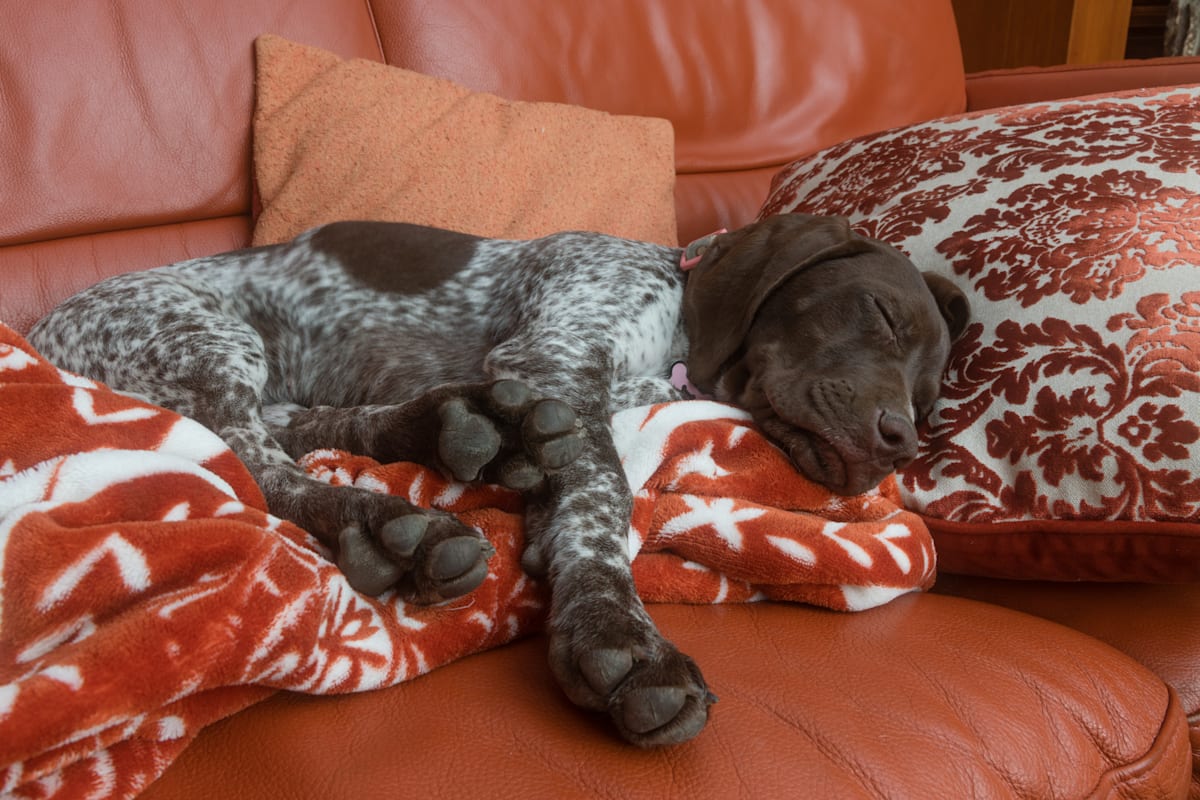
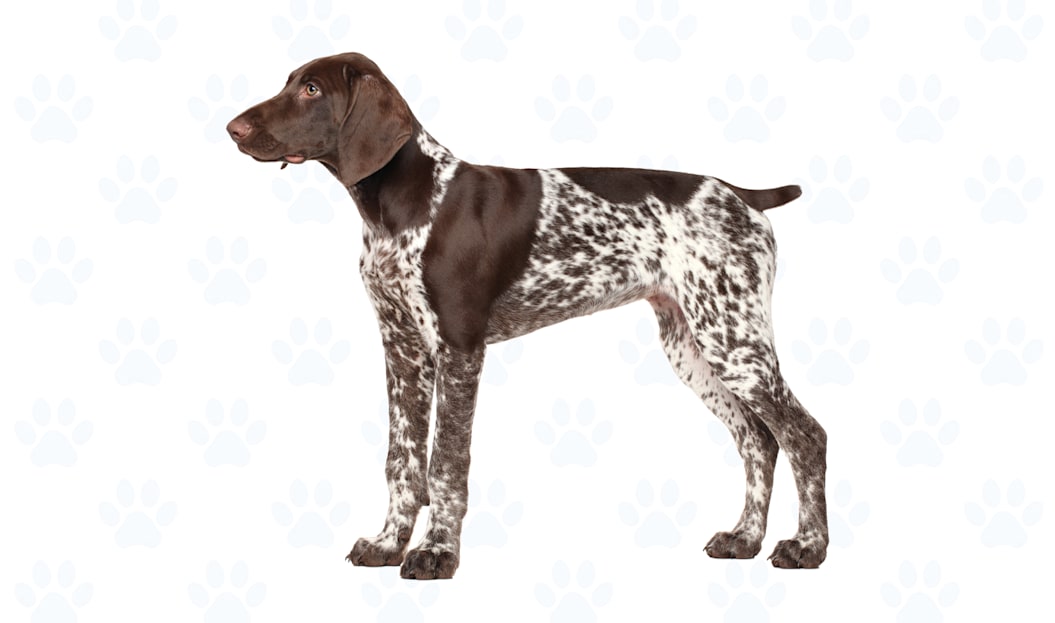
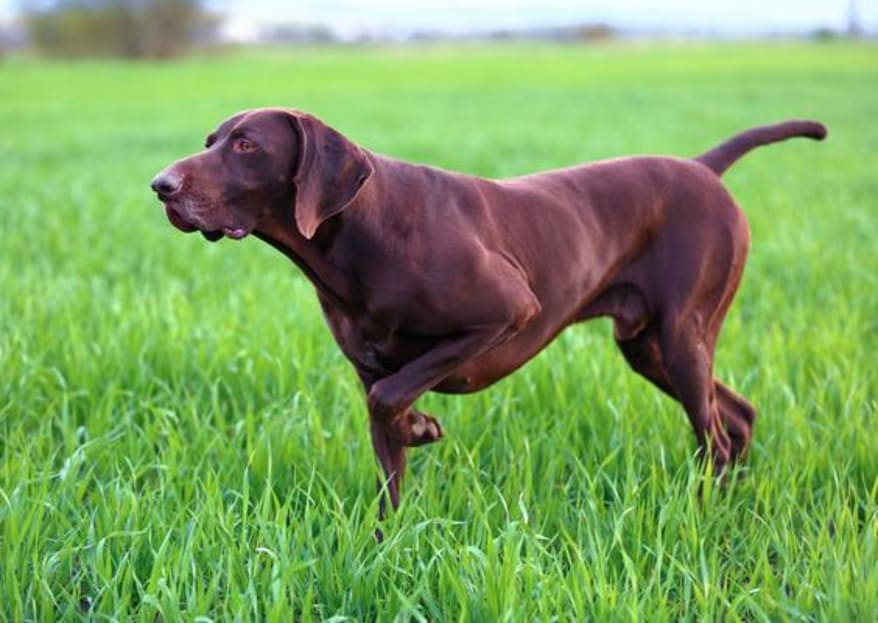
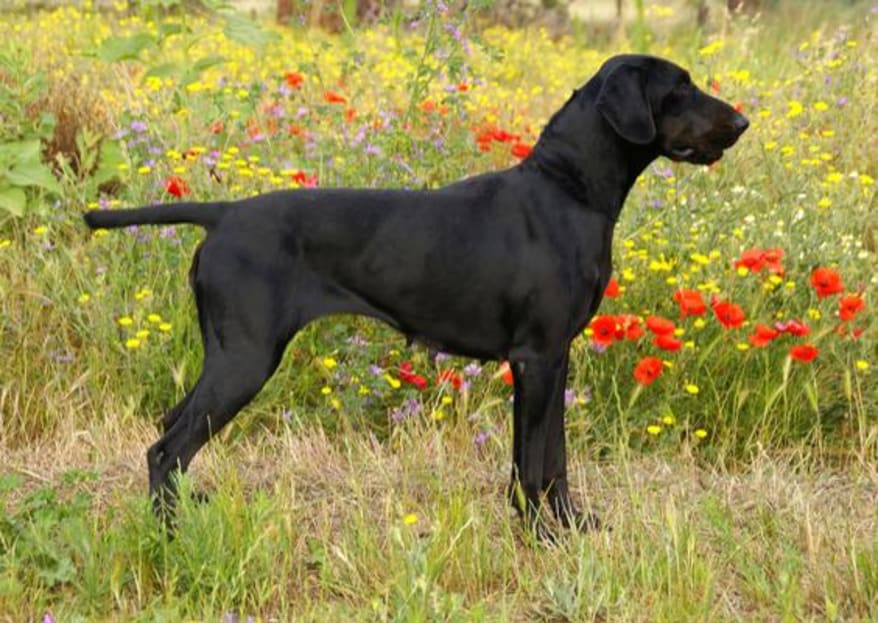
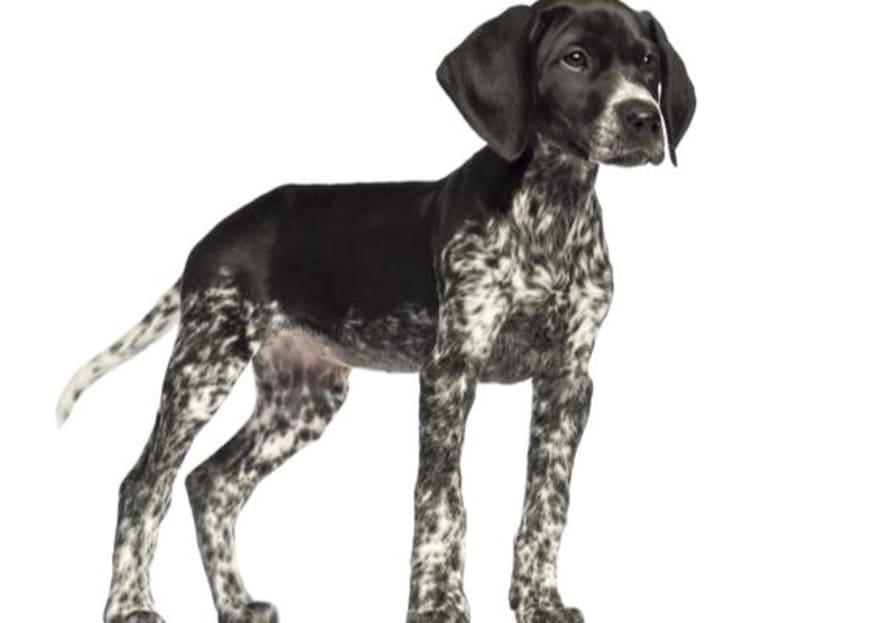
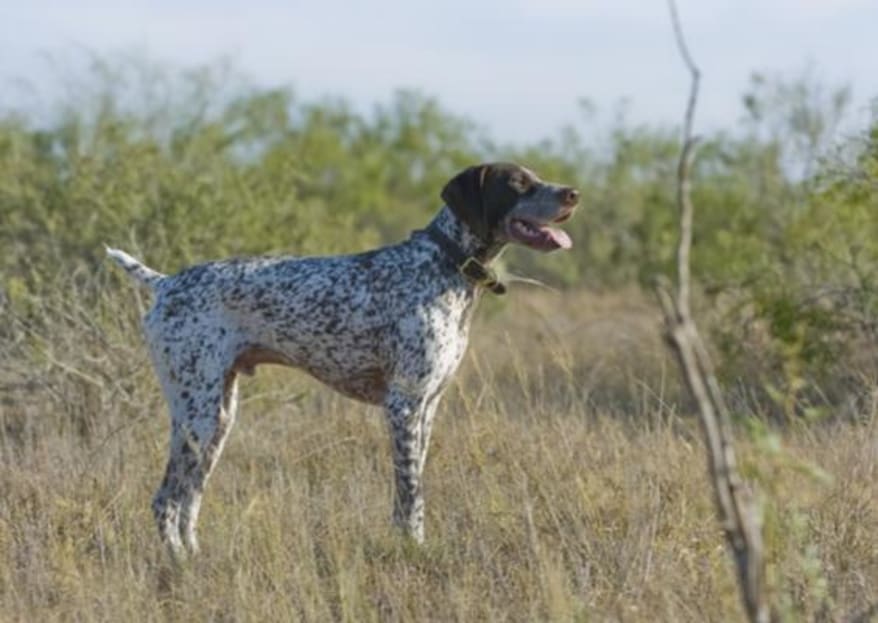
The American Kennel Club (AKC) recognizes 8 coat color combinations for German Shorthaired Pointers: black, black & white, black roan, liver, liver & white, liver roan, white, and white & liver. The AKC lists the standard markings as patched, patched & ticked, and ticked. The German standard permits some sandy coloring but the AKC disqualifies any of the breed with yellow coloration.


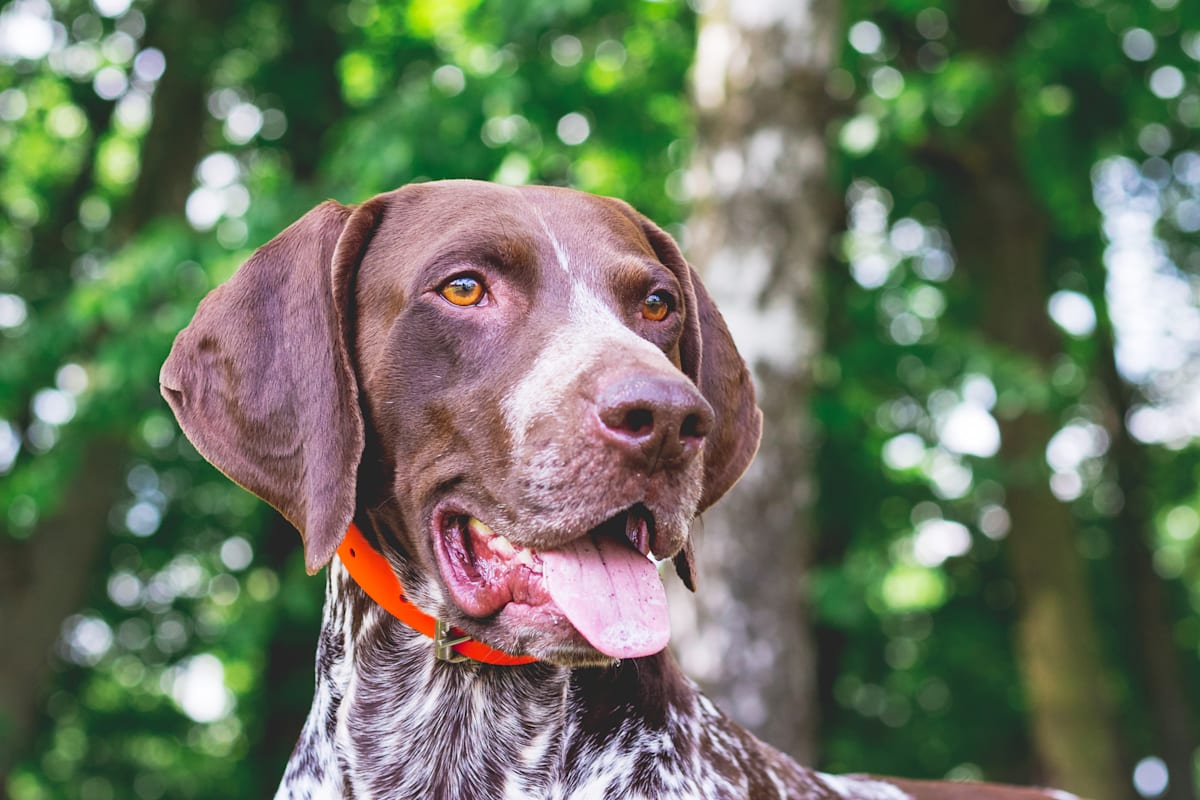
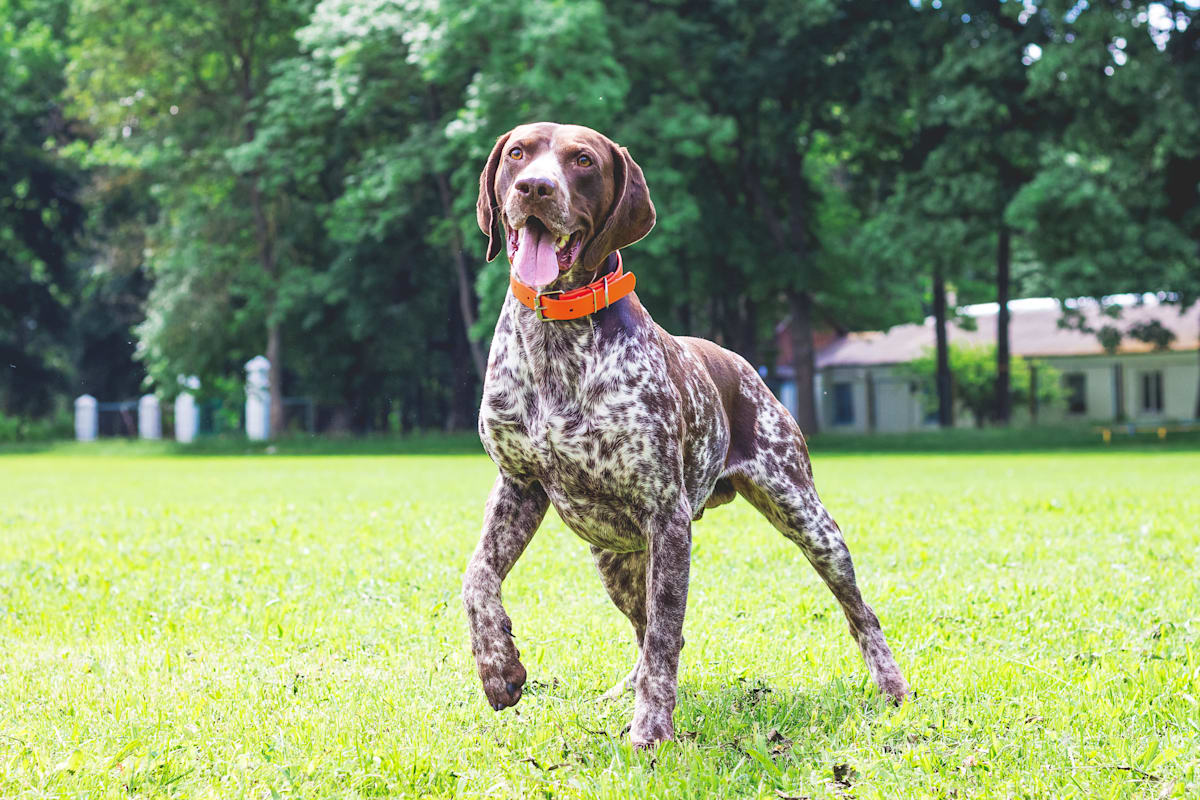
The German Shorthaired Pointer coat is short, flat, and dense in the undercoat. The character of the coat makes it resistant to the moderately cold temperatures and wet conditions that you find on a hunt or hike. The AKC standard describes the breed appearance as “aristocratic, balanced, symmetrical, and powerful”. German Shorthaired Pointers are good pointers and retrievers for sporting, so they maintain an athletic figure with strong, graceful limbs. Their floppy ears and striking coat make them an easily recognizable breed to even a casual canine aficionado.

Colors

This breed can be found in a variety of colors. You can check them out below.


Size & Weight

German Shorthaired Pointers are medium to large dogs. Adult males are typically around 20 to 25 inches tall. You can expect them to weigh between 45 and 70 pounds when fully grown.

Full Grown
Female 20 in. / 45 lbs.
Male 25 in. / 70 lbs.

Height is measured up to the shoulders.

Female Size Chart
Height Figure
Male Size Chart
6 ft. 4 ft. 2 ft.

Cost of Owning

On average, owning a middle-aged GSP costs around $1350 per year
$350
Vet Care
$250
Grooming & Boarding
$300
Others
$450
Food & Treats

Characteristics

Size

German Shorthaired Pointers are medium to large dogs. Adult males are typically around 20 to 25 inches tall.

Tiny
Jumbo

Weight

You can expect a GSP to weigh between 45 and 70 pounds when fully grown.

Light
Heavy

Living space

German Shorthaired Pointers are a medium to large dog with a lot of gas in the tank. If you don’t have a backyard or nearby dog park, you need a plan to give your dog some running space. Don’t stick them into a small apartment in a high-rise downtown.

City apartment
Ranch

Exercise

German Shorthaired Pointers love to be outside burning calories and running around the forest. These sporting dogs have a big gas tank, and it’s up to you to burn it off every day with a healthy amount of walking and running. German Shorthaired Pointers will often act up if they don’t get enough opportunities to exercise with you.

Couch potato
Bring it on!

Personality

Your German Shorthaired Pointer needs a lot of love and affection from you and your family. They love to be around people and don’t do well if left alone for hours at a time. German Shorthaired Pointers are “people pleasers” who seek approval and love from their human family. They typically do well with other dogs, but females with a litter may become very protective and dominant around other pets and strangers. Watch out for Momma!

Antisocial
Outgoing

Protection

The German Shorthaired Pointer is an intelligent and loyal breed, perfect for life as a watchdog. While they do tend to wander and escape if they don’t get enough exercise, they are usually happy to lie around the house and keep a close ear out for any intruders or strangers calling in the night.

None
Bodyguard

Behavior with kids

German Shorthaired Pointers are incredibly gentle and loving dogs when it comes to children. They are very permissive and eager to share their love with anyone around them. Very small children and anyone not familiar with good dog handling should be supervised at all times with your German Shorthaired Pointer.

Always monitor
Babysitter

Training

German Shorthaired Pointers are sporting dogs, so they have a highly developed sense of obedience with the proper training regimen. Their prey drive is fairly strong, so you need to be aware of local wildlife, cats, and small pets. These can be a big distraction for your German Shorthaired Pointer. This isn’t a great breed for novice owners, but they do respond well to proper training and instruction. They are very intelligent and curious animals.

Headstrong
Obedient

Shedding

German Shorthaired Pointers have a short coat, but shed a lot relative to similar breeds. Don’t expect a pristine environment without spending some time cleaning up and vacuuming stray hair.

Minimal
Abundant

Climate

German Shorthaired Pointers can thrive in most climates, but they don’t like extremely cold temperatures. If you live in a Northern climate with harsh winters, it’s worth investing in some warm dog clothes to protect their extremities. Don’t fall into the trap of shorter and less frequent walks in the winter! They need just as much exercise in the cold months to stay healthy and happy.

Warm
Cold

Barking

Your German Shorthaired Pointer will often sound an alarm bark if they notice something strange. Most of the time, they will keep their comments to themselves.

Mute
Loud

Temperament & Behavior

German Shorthaired Pointers are cheerful and friendly with people they trust. They are eager to please and display a strong, confident character at work and play. German Shorthaired Pointers have a keen enthusiasm for exercise and don’t display flightiness or nervousness if properly trained.


They need a lot of exercise to maintain a healthy body and mind. German Shorthaired Pointers without enough exercise in their life will act out with poor behavior. This breed shows a high degree of wanderlust and prey drive if you don’t keep up a rigorous regime of long walks. Free-running is a good idea to burn up their energy, but only if you have somewhere nearby that allows off-leash dogs and can trust your dog’s recall abilities.

Barking: Understanding your dog

German Shorthaired Pointers have a deep, sharp bark that is meant to draw your attention to intruders or strangers on your property. It is meant to convey information to their owner, not to terrify anyone. If your dog is barking excessively, it might be a sign of mental or emotional distress and it may be worth a trip to the vet for a checkup.


The key point to understand about your German Shorthaired Pointer is their intense drive to run and hunt. If you provide safe and healthy opportunities for them to run and play, you can help them learn appropriate behavior and maintain a high quality of life. If you keep your dog inside or locked in the backyard all day, don’t be surprised if they break out to taste some local rabbit or squirrel. It’s up to you to foster good habits and suppress bad ones.

Training

German Shorthaired Pointers are very intelligent and easy to train. They are eager to please and therefore respond well to positive reinforcement. Keep your training sessions limited to 20 minutes to keep them engaged. One of the keys to training is getting enough exercise into their life. A German Shorthaired Pointer will an abundance of energy is much harder to train and command.

Habits and Exercise

German Shorthaired Pointers love to go on long walks, hill runs, and dips in the local watering hole. They thrive best in homes with backyards or a nearby dog park to run around and burn off their energy. If you keep your pet inside all day, they will develop a tendency to act out and get exercise on their own less favorable terms. Since they display a high prey drive, German Shorthaired Pointers love to play with toys that resemble their “catch” in the wild. It pays to be mindful of what constitutes a “safe” toy – avoid anything soft toys or fabric that will degrade. These unsafe toys can cause digestive problems and even medical emergencies if they swallowed. Ask your local pet store for advice on choosing the right toys for your German Shorthaired Pointer.


Make sure your German Shorthaired Pointer has a comfortable place to sleep that can accommodate their size and weight.

Energy Level

Frisky, energetic breed that is always ready for action

Energy Level

Nutrition

German Shorthaired Pointers should be fed a well-balanced diet with proper portion control to maintain a healthy body weight. Since these dogs exercise vigorously, they have a propensity for burning a larger-than-normal amount of calories. This may mean that your German Shorthaired Pointer may require a slightly larger than average portion of food. If needed, your veterinarian will be able to help you accurately calculate your dog’s individual calorie requirement for their lifestyle, body weight and age.

Daily Consumption

Average daily consumption for an adult GSP is 2 to 4 cups.

Daily Consumption

Preventive care

Since German Shorthaired Pointers are such an active breed, keeping your dog at an ideal body weight is beneficial in the long term to mitigate the long-term effects that additional body weight can place on the joints. All dogs should receive regular veterinary care, even if no medical issues seem apparent at home. Your veterinarian has been extensively trained to pick up on the subtlest changes that can occur as a result of larger disease processes.


Genetic testing is available for some of the conditions listed above (cone degeneration, von Willebrand’s disease and exfoliative cutaneous lupus erythematosus), and is most commonly performed on your dog’s parents prior to breeding. It is always a good idea to discuss testing your dog for von Willebrand’s disease (a blood clotting disorder) with your veterinarian, particularly prior to any surgical procedure.

Inherited health issues

Common health conditions in German Shorthaired Pointers are either inherited or occur at a higher frequency in the breed include, but are not limited to, the following: aortic stenosis, hypertrophic cardiomyopathy, sensory neuropathy, black hair follicle dysplasia, discoid lupus erythematosus, exfoliative cutaneous lupus erytematosus of German Shorthaired Pointers, muzzle folliculitis/furunculosis, Von Willebrand’s disease, blastomycosis, histoplasmosis, nasal cavity tumors, acquired myasthenia gravis, aongenital deafness, GM2 gangliosidosis, cataracts, cone degeneration and progressive retinal atrophy.

Life Span

On average, German Shorthaired Pointers live to be about 11-13 years.

Life Span

Did you know?

  • Environmentalist and writer Rick Bass wrote a famous book all about his love for his German Shorthaired Pointer called Colter: The True Story of the Best Dog I Ever Had.
  • Terrence Malick’s 1978 film 'Days of Heaven' featured a scene with dogs hunting on a prairie. One of the dog-actors on screen was Jocko von Stolzhafen, a two-time national field champion. In the year following the film’s release, poor Jocko went missing at a training camp. The consensus is Jocko was stolen by an unscrupulous local breeder.
  • The US Air Force, TSA, and many law enforcement agencies rely on many German Shorthaired Pointers to provide sniffing services to detect explosives, drugs, and other materials.
  • A German Shorthaired Pointer named CJ won “Best in Show” at the 140th Westminster Dog Show. His owner Valerie and her prized companion made quite the impression on the judges and subsequent talk show audiences.

Coat and Grooming

With short, manageable coats, German Shorthaired Pointers are fairly easy to groom. A weekly brush and occasional baths should take care of their regular hygiene needs. As with all dogs, you should pay attention to their teeth, nails, ears and eyes for signs of any looming health problems. If you notice a buildup or irritation in any of these areas, be sure to get them checked out at your local veterinarian.

Coat length

Short

Coat length

Grooming

Occasional

Grooming

Shedding

German Shorthaired Pointers shed a moderate amount for a shorthaired breed. Their dense undercoat keeps them warm and dry out in the fields, but it does produce a lot of shedding for you to clean up. Weekly brushing is always recommended, as it loosens up hairs ready to come out early. It pays to invest in a grooming glove or a specialized tool for brushing dense short fur

History

Perhaps obviously, German Shorthaired Pointers originated in Germany. Breeders hoped to create the ultimate bird dog using a mix of other sporting breeds popular at the time. The exact origins are unknown, but the modern German Shorthaired Pointer is a likely mix of the German Bird Dog, the Spanish Pointer, and other pointer breeds like the English and Arkwright.

 

The first studbook didn’t come until 1870, and the breed didn’t compete in AKC events until 1930 in America.