About English Springer Spaniel
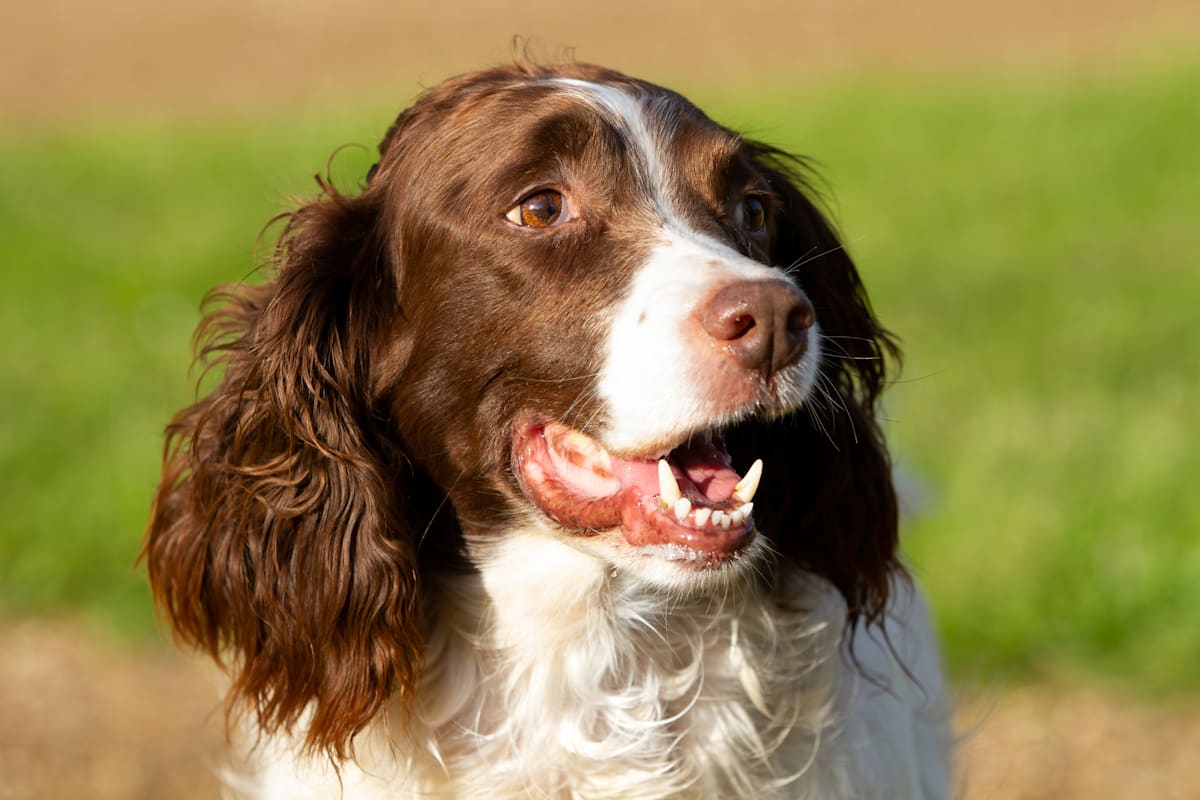
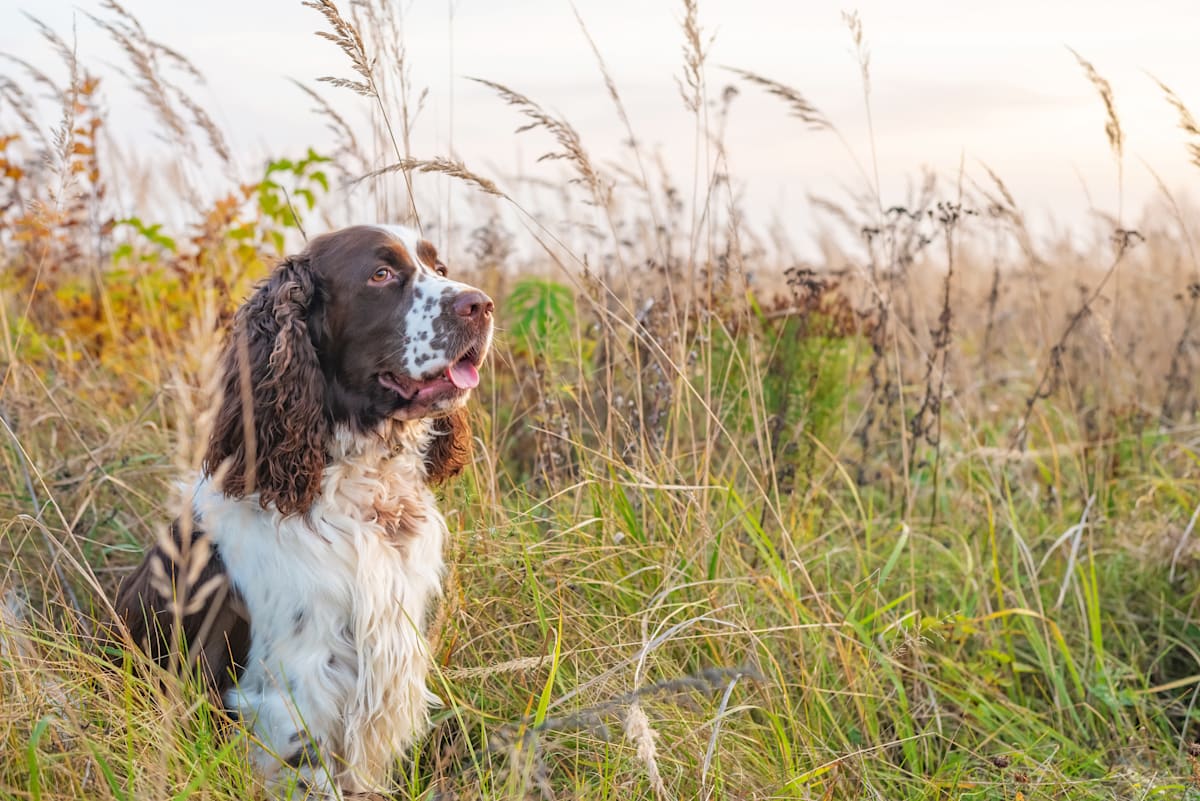
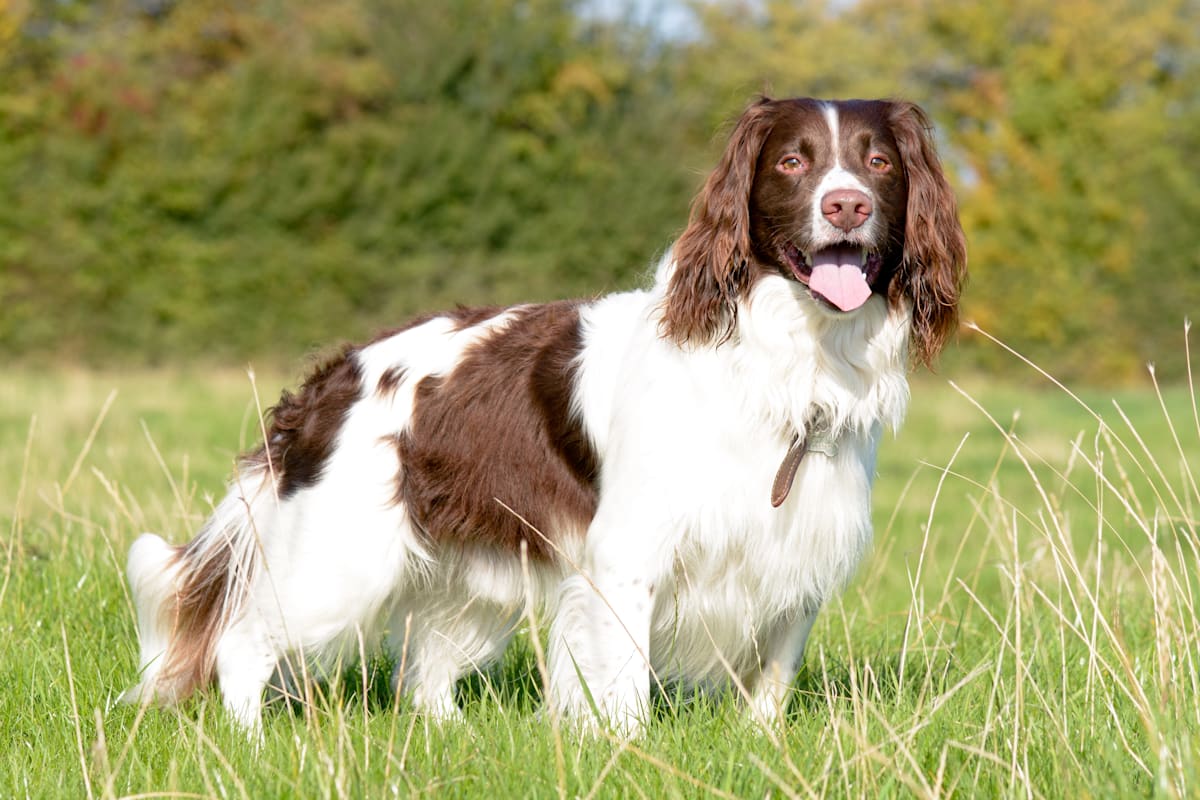
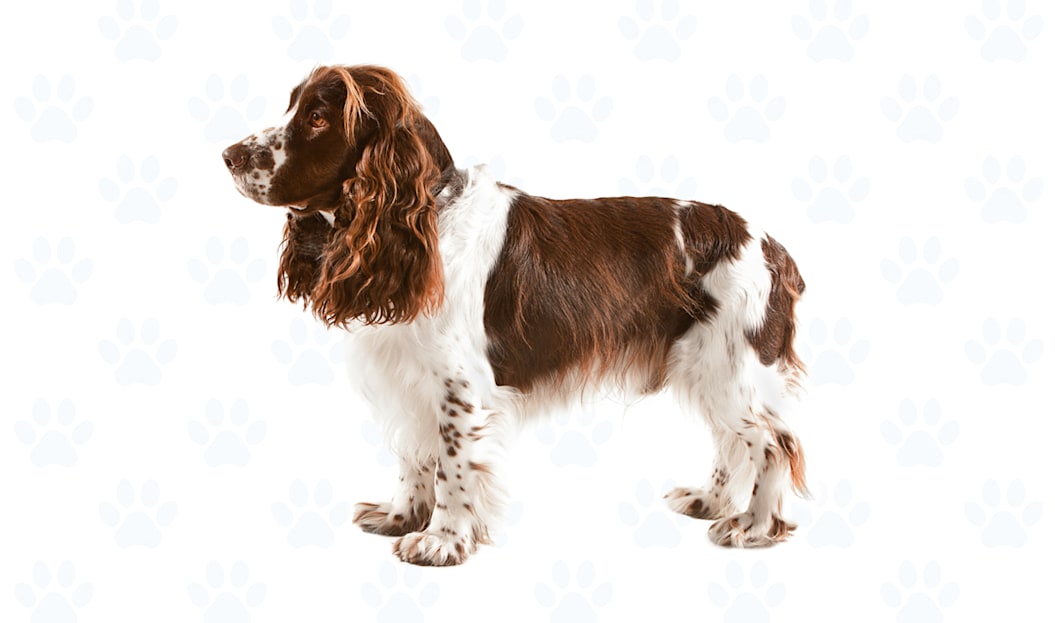
Excitement abounds with the rugged, energetic English Springer Spaniel. Springers are a medium-sized breed known for their rambunctious and fun-loving natures. They need plenty of exercise and thrive in the out of doors. They usually make good family pets, and are generally friendly with strangers and other animals. With a degree of persistence, Springers can be trained to perform tricks and follow commands. When paired with a skilled trainer, they are considered an excellent working dog. They have a thick double coat that comes in a few colors and shed moderately. Standard Springers come in two strains, which influences their size and whether an individual is either very or incredibly enthusiastic.
Sporting Group
Naturally active and alert, Sporting dogs make likeable, well-rounded companions.
Breed Appearance
Size & Weight
English Springer Spaniel Breed Characteristics
- Size & Coat
- Lifestyle
- Training & Behavior
Size
Tiny
Jumbo
Weight
Light
Heavy
Shedding
Minimal
Abundant
Coat Length
Short
Long
Grooming Frequency
Occasional
Frequent
Living Space
City Apartment
Ranch
Exercise
Couch potato
Bring it on!
Climate
Warm
Cold
Personality
Antisocial
Outgoing
Protection
None
Bodyguard
Behavior with Kids
Always monitor
Babysitter
Training
Headstrong
Obedient
Barking
Mute
Loud
How to Care for a English Springer Spaniel
Coat & Grooming: Springers tend to need constant cleaning up. They love mud and their feathering often requires extra drying or combing after walks and long sessions outside. The Bench variety requires even more combing and brushing. For the Field variety, seasonal clipping is handy.
Coat length: Medium
Grooming: Frequent
Shedding: Springers shed an average amount, and you can expect both varieties to blow their coat twice a year. With a thicker coat, the Bench variety sheds a bit more. Shedding shouldn’t be much of a problem if they are already combed and brushed regularly.
Training the Springer is doable and very necessary. Without guidance they can fully terrorize an indoor or outdoor area in minutes. You’ll need to train them to see you as a leader with demands, and a plan, before receiving their best performance. The trick to training Springers is regulating their excitement switch. Grab their intense focus with treats or toys, then move on to clicker or whistle training to see what they can accomplish. Springers are considered a quintessential hunting dog, able to point, flush, and retrieve. Practice those three modes (focusing, exerting, and returning) using physical tasks.
Springers have keen nose, and have been dispensed for detecting explosives, mobile phones, bumblebee nests, people, drugs, and blood. They’re also make a capable search and rescue dog in rough terrain.
Barking: Springers are easily excited by the minutiae of the world, and can be very vocal. In warning, they have a loud bark that’s bigger than their body. They also yap and yowl when exited. They can become problem barkers if bored and also when fixated on an object.
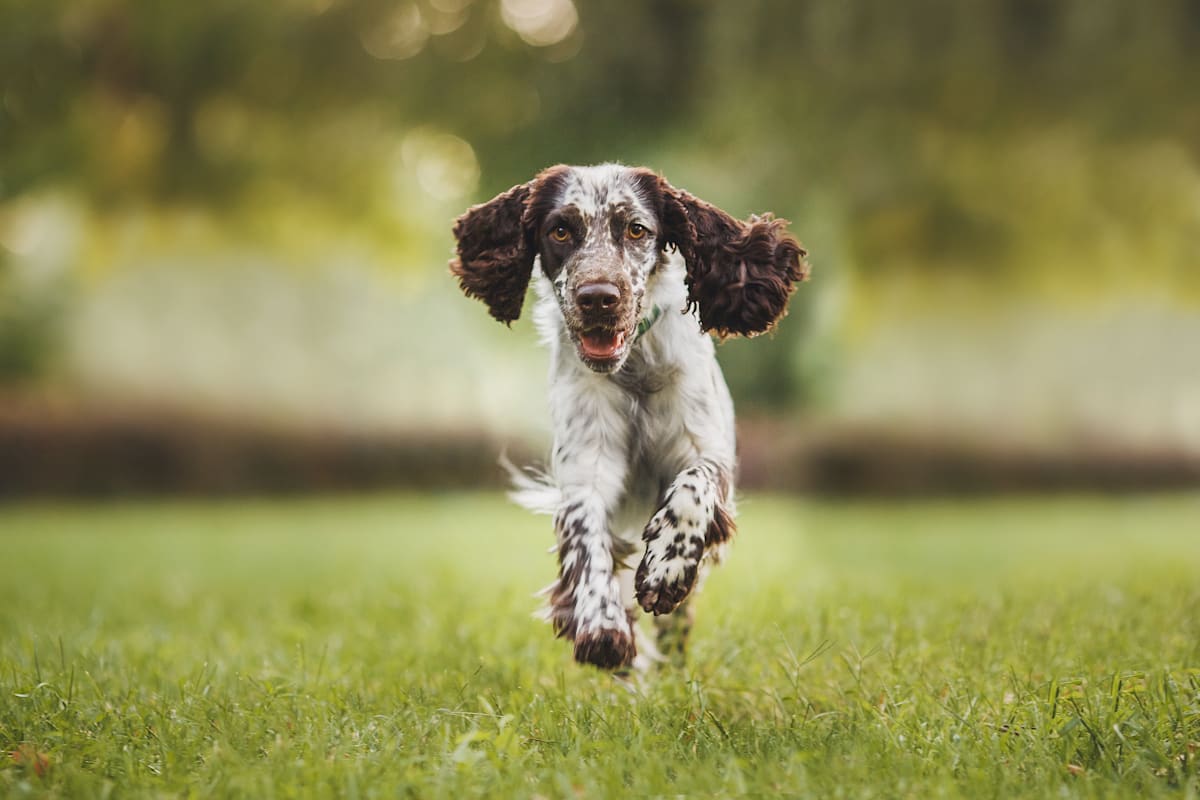
Temperament & Behavior: Springers have an ‘excitement switch’ that quickly flips between the ‘off’ and ‘on’ position. When ‘on’, a Springer will bounce up and down, running in circles with tail wagging a mile a minute. While adaptable to family life, Springers tend to be one-person dogs. They are loyal but have a one-track mind that generally prioritizes running, chasing, and playing in the mud before anything else. They’re friendly enough with people and other pets, though may have a strong prey drive and be poor companions for birds or cats.
Springers can be high-strung. Nervousness, clinginess, or possessiveness is seen in some individuals and will be exacerbated in any dogs that don’t get enough activity. In rare cases, Springers (along with Cockers and other spaniels) can be affected by Sudden Onset Aggression, a neurological disorder that causes sporadic, immediate, and unconscious aggressive behavior. This genetic disorder is most prevalent in purebred Bench dogs.
Behavior with kids: If raised with children, Springers are usually tolerant and affectionate family dogs. Older dogs tend to be wary of children, and need a slower introduction.
Protection: Alert and surprisingly loud, Springers can make a decent alarm dog. Their size and disposition, however, isn’t threatening in the least.

Life Span: On average, Springers live to be 10-15 years old.
Inherited health issues: Although generally a hearty and healthy breed, Springers do have their share of genetic health problems. Discuss genetic testing with prospective breeders, especially with respect to heart problems, as Springers are especially prone to ventricular septal defects, which require heart surgery early in life to correct. Additional conditions may include, but are not limited to the following: primary seborrhea, cancer, Immune-mediated hemolytic anemia (IMHA), congenital myasthenia gravis, Rage syndrome and multiple ocular conditions.

Preventive care: Follow your veterinarian’s advice regarding routine preventive care, such as vaccinations and deworming. Support good skin health with omega-3 fatty acids in the form of fish oil supplementation, and be aware of any changes to the eyes, as Springers are predisposed to several conditions involving the eyes.
There are no breed-specific requirements for feeding Springers, except that they should receive a high quality food that is formulated specifically for their specific life stage – puppy, adult, or senior.
Daily Consumption: Average daily consumption for an adult Springer is 1.5-2 cups.
Energy Level: Frisky, energetic breed that is always ready for action
Exercise: These working dogs need a job, or they’ll go self-employed. Springers are active and high-energy, bred for being out in the field all day. Work and play are one in the same to them and they have a tireless drive. As a pet, they need more than an hour of vigorous activity every day. Luckily, their zeal for the outdoors make them a breeze to workout. They usually run around on their own and circle back to you every few minutes, as they do while working with a hunter.
Springer’s love the water, and swimming is great exercise for them. They also love just about anywhere they can get dirty and grab things in their mouths. It may take some extra effort to get these guys jogging evenly on a leash, but there’s no limit to the number of games you can play together. In fact, there’s a lively online community of owners discussing how to constructively channel their pet Springers’ field instincts (or lack thereof). Indoors, try a KONG toy to keep their mouths and noses out of trouble.
Climate: The Springer’s weatherproof coat makes them prepared for all elements. In hot summer months, they can be clipped to stay cool.
Living space: Springers love to get outside and run around. It may be possible to keep one in a small space, but not recommended. Access to an immediate outside area is ideal.
Cost of Owning
Unlock exclusive rewards with Petco Perks. Plus, members get 35% off their first Autoship order and 5% off all future orders.
Enjoy exclusive rewards on expert rated and pet parent approved products, like member prices, extra points and special offers designed to help you save on what your pet needs.
Get your pet’s essentials delivered on your schedule so you never run out and save up to 35% on your first order, then 5% on every order after that.
Your love story starts here.
Find adoptable pets near you with a simple search.
Fun Facts
Springers are considered the fastest spaniel. • Named the “Springer” Spaniel for their ability to ‘spring’ (flush) birds out of hiding.
A Springer named Rosie uncovered a lost $19,000 diamond while out walking.
Springers are consistently one of the top three most popular breeds in the UK.
It’s said that William Wallace owned a Springer Spaniel named Merlin MacDonald.