Non-Sporting Group
The breeds in the Non-Sporting Group are a varied collection in terms of size, coat, personality and overall appearance.
With a distinctive lion-like appearance, Chow Chows are an ancient breed dating back to China’s Han Dynasty. The Chow Chow is a dignified and intelligent dog with an independent streak. With firm and consistent training, and proper socialization, a Chow can make an excellent and devoted companion.
Origin: China Other Names: Chow
The breeds in the Non-Sporting Group are a varied collection in terms of size, coat, personality and overall appearance.
Non-sporting dogs are a diverse group. Here are sturdy animals with as different personalities and appearances as the Chow Chow, Dalmatian, French Bulldog, and Keeshond. Talk about differences in size, coat, and visage! Some, like the Schipperke and Tibetan Spaniel are uncommon sights in the average neighborhood. Others, however, like the Poodle and Lhasa Apso, have quite a large following. The breeds in the Non-Sporting Group are a varied collection in terms of size, coat, personality and overall appearance.
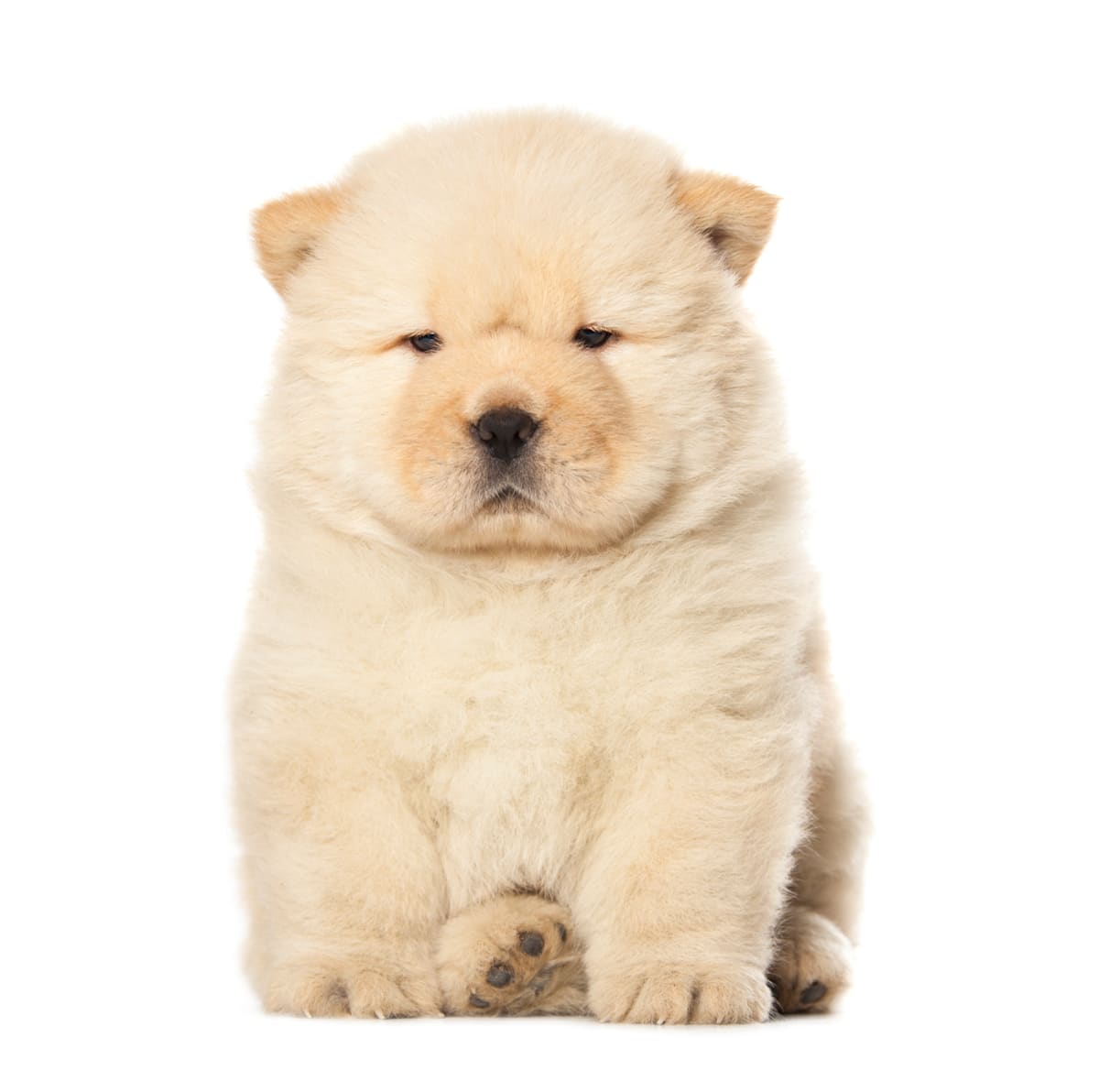
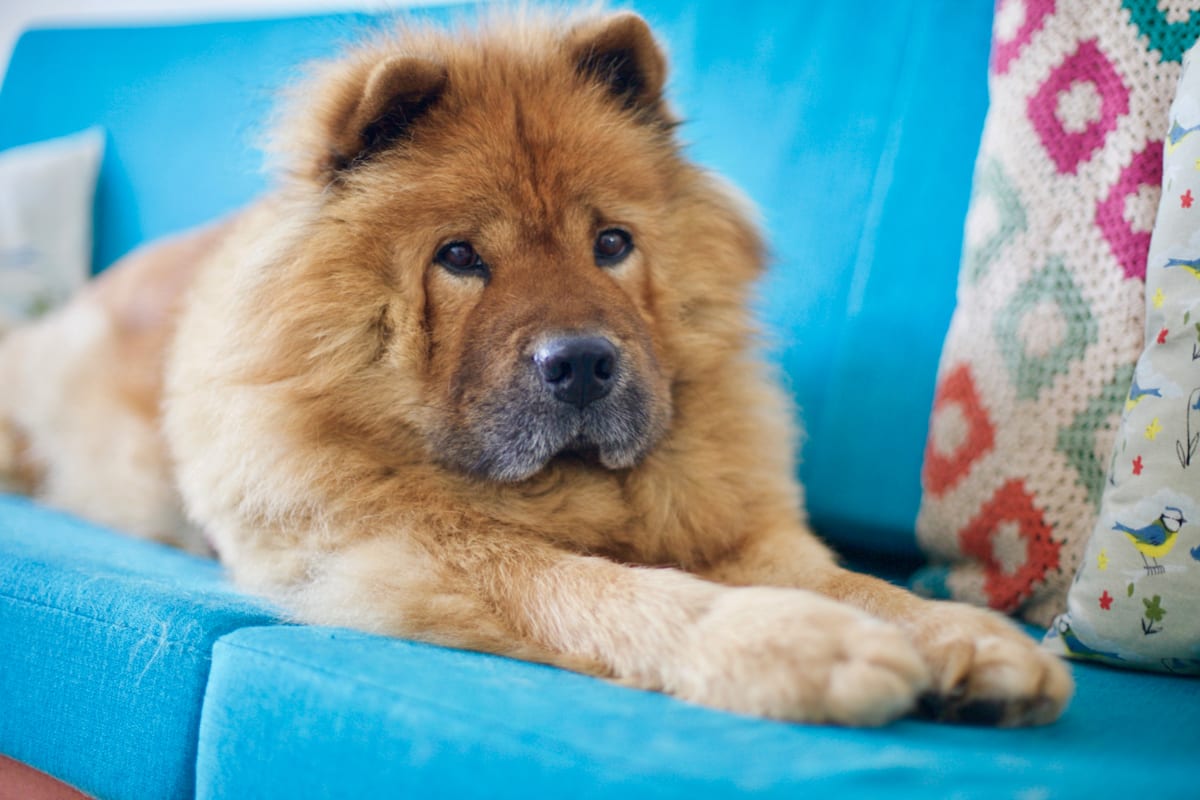
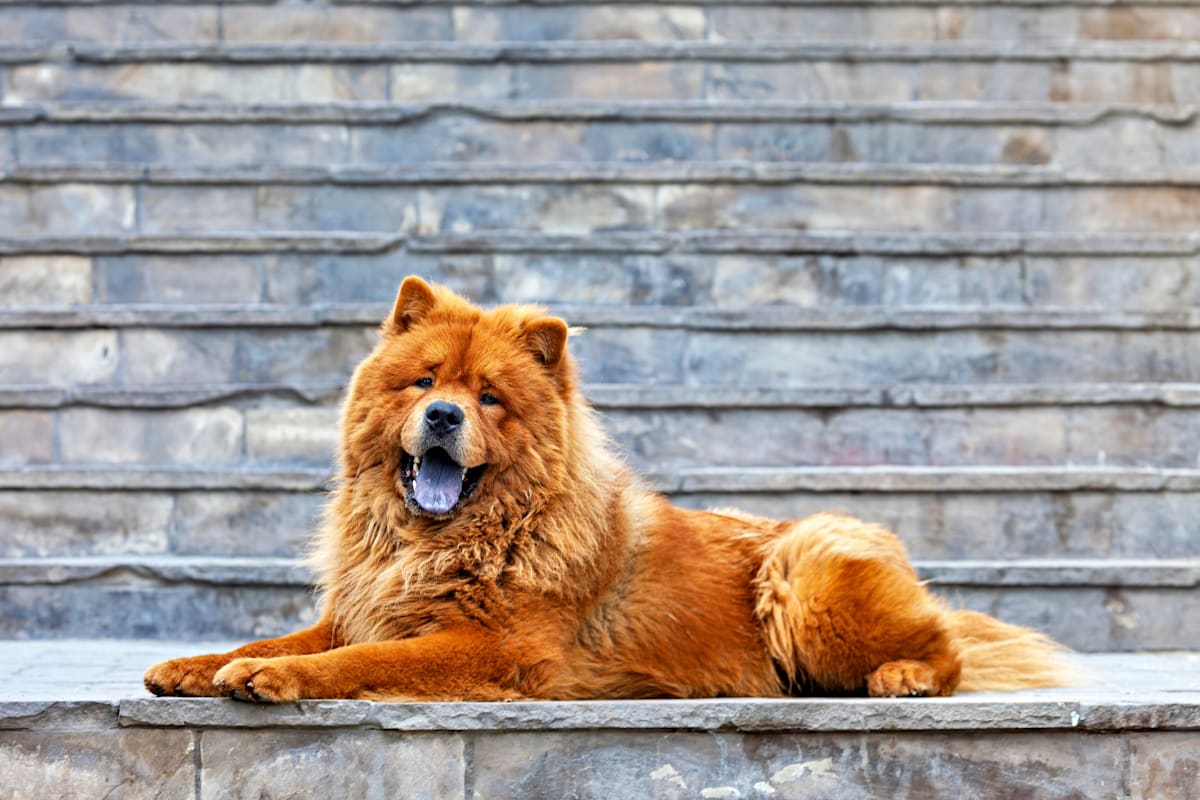
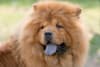
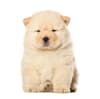
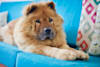
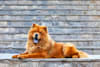
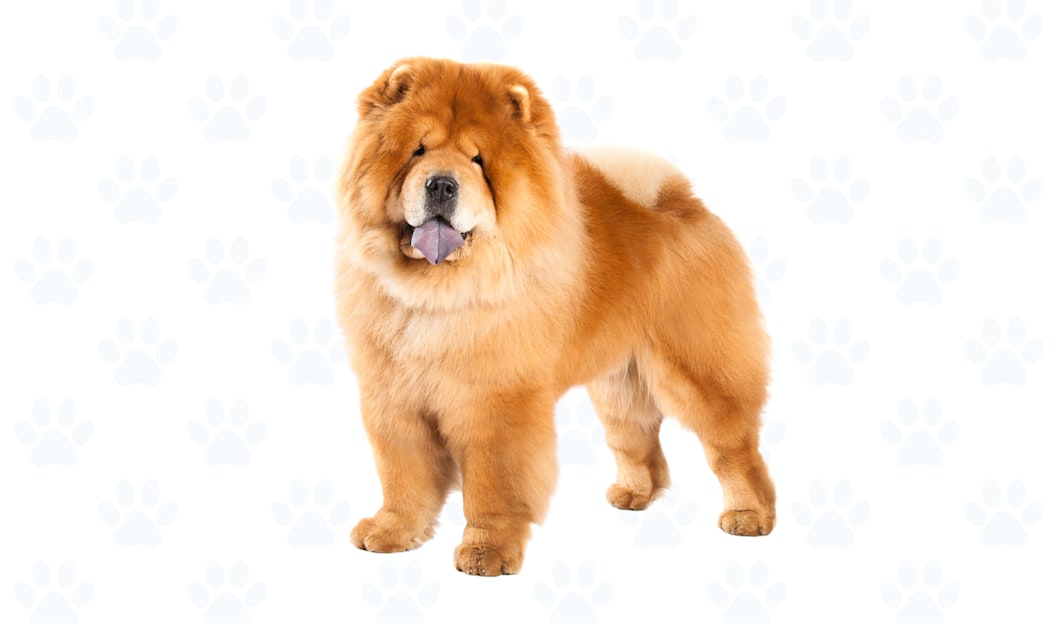
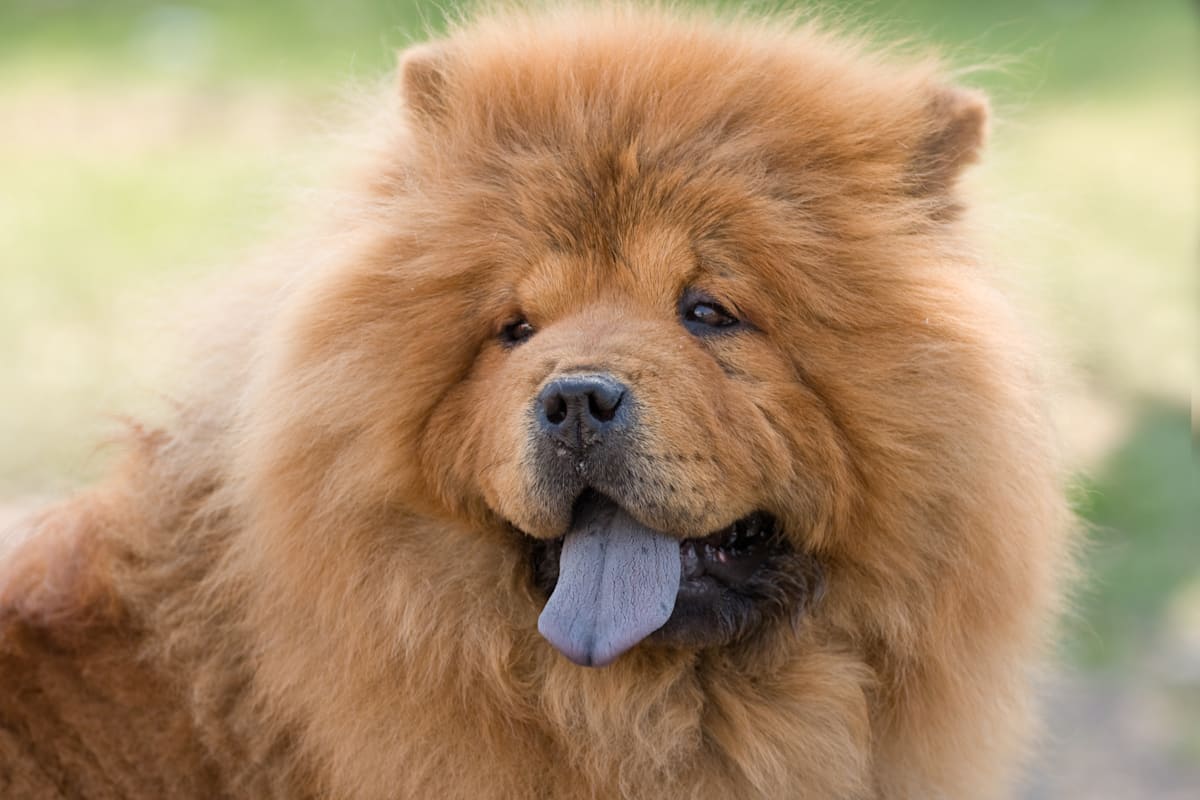
Chow Chows might have one of the most unique appearances of all dog breeds. Often compared to a lion or a bear, the Chow Chow has a dense double coat that fluffs up his appearance and makes him appear larger than he is. Chows have a perpetual grumpy face and characteristic bluish-black tongue. Straight hind legs that swing like a pendulum as they run give them an almost stilted gait. The tail is high set and curves over the back. The Chow Chow’s coat is either rough or smooth and comes in five different colors: red, black, cream, blue, and cinnamon, with red being the most popular.
Chow Chows stand at about 17 to 20 inches at the withers and can weigh between 45 to 70 pounds. Their thick, fluffy mane and coat can be deceiving and give them the appearance of being even bigger.
| Full Grown | |
|---|---|
| Female | 17 in. / 45 lbs. |
| Male | 20 in. / 70 lbs. |
Height is measured up to the shoulders.
Chow Chows stand at about 17 to 20 inches at the withers.
Chow Chows can weigh between 45 to 70 pounds.
Believe it or not, this dog is far from an active breed. As long as you provide them with regular daily exercise, your Chow Chow will be just fine in a city apartment.
Far from an athlete, Chow Chows are more likely to be found lounging in the shade then running laps around a park. Due to their tendency to overheat in warm climates, it’s important to never overexert your Chow Chow while providing daily exercise.
Often mistaken for a snooty and standoffish dog due to a scowling expression, the Chow Chow definitely requires some time to warm up. Once you’ve cracked his cranky exterior, you’ll have a companionable and loyal dog on your hands.
Once bred to be guard dogs to Chinese emperors, the Chow Chow is an excellent candidate to be a fierce and loyal protector of his family and property.
If well socialized and treated with respect, Chow Chows can be excellent family companions. However, if a Chow is not familiar with children and the loud noises and sudden movements they often make, it is best to either separate your Chow Chow and children, or supervise them very closely. Strangers should also be supervised with a Chow, as this breed can be skeptical with unfamiliar faces.
Chow Chows should be socialized and trained early in life to prevent them from becoming standoffish or aggressive. They have the ability to be great working and guard dogs, but also have quite an independent streak. This requires a lot of patience and consistent training on your part.
Chow Chows are champion-level shedders. If there was an Academy Award for ‘Heaviest Shedder’, the Chow Chow would take home the prize.
Chow Chows are more prone to heatstroke due to their thick coat. They are definitely not suited to warm climates and should be provided with a cool, air-conditioned place in the heat of summer.
As with any large dog, Chow Chows have a loud, commanding bark. However, the amount your Chow will bark is dependent on the individual dog. In general, Chows are a very vocal and easily-alarmed dog. Your Chow will also bark aggressively if guarding you or your home against anything that they deem to be a threat.
Despite their teddy bear-like appearance, Chow Chows are a tough nut to crack. Chows are notorious for their independent streaks, which can become problematic without proper and consistent positive reinforcement training and socialization. In most cases, Chow Chows have a tendency to bond to their family and may be standoffish with strangers. Before taking your Chow Chow around children, be sure that both your dog has been well socialized with children and that the children have been carefully taught how to safely interact with dogs. Most Chow Chows are not receptive to children’s antics, so Chow Chows are definitely more suited to be companion animals in adult households and should always be monitored when with children.
It’s important to remember that the Chow Chow was bred for protection and, as a result, has a tendency to be very vocal when alarmed. While they do not need a lot of room to roam and can live comfortably in an apartment, the number one complaint about apartment living is their barking. Most of the barking comes from their instinct to guard and protect their homes and owners, so things like a shared yard or lots of voices in communal apartment space could set off your own overactive burglar alarm.
Chow Chows are naturally independent and aloof when it comes to training, and must be socialized early and often to become friendly, approachable dogs. A well-socialized Chow Chow is never fierce or intractable, but is always refined and dignified. It is best to be firm and consistent during training, but always use forms of positive reinforcement. Despite their stubborn streak, Chow Chows tend to train fairly easily. On the plus side, Chow Chows are fastidiously clean, like a cat, and they are incredibly easy to housebreak.
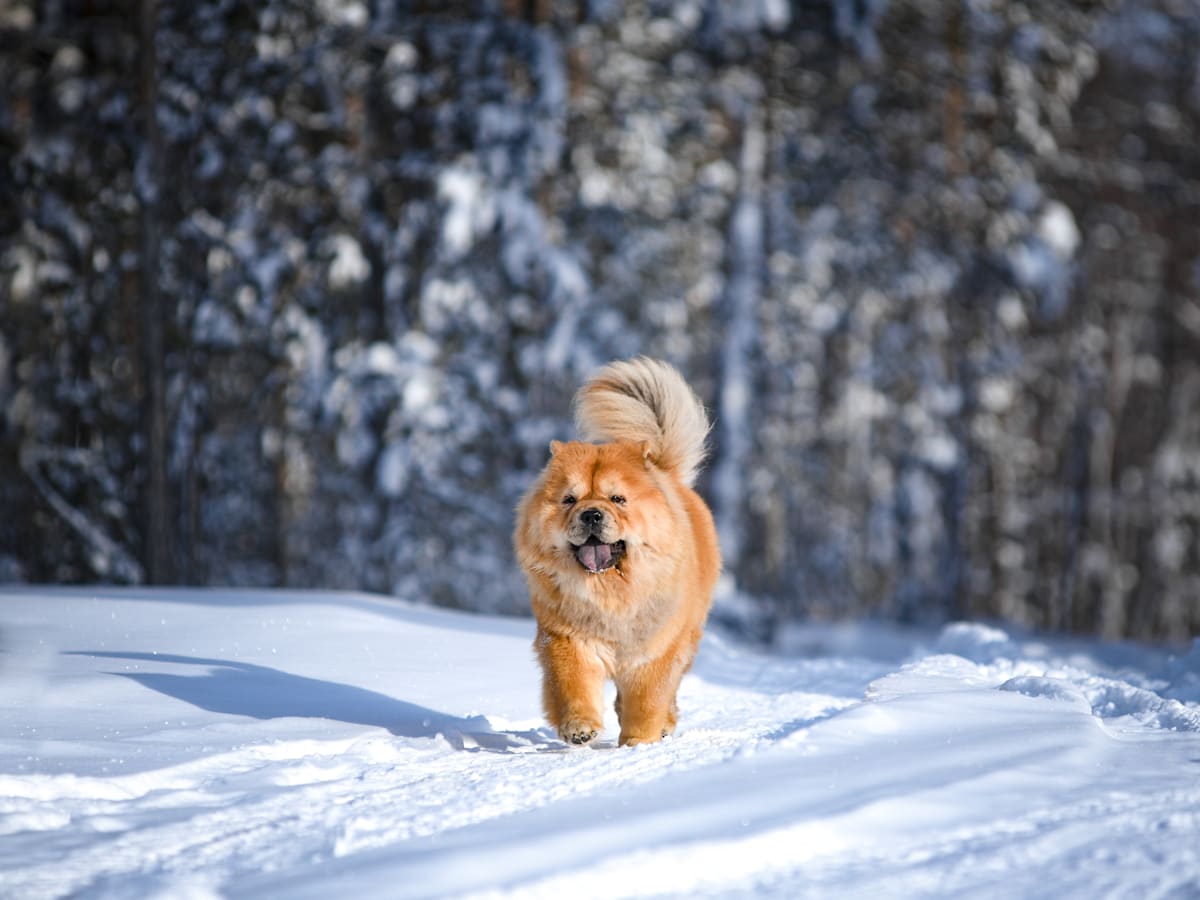
Even with a history of being guard dogs and hunting dogs in ancient China, the Chow Chow has a tendency to be on the lazy end of the dog spectrum. Despite their lack of motivation to exercise, it’s still important to keep your Chow active and healthy, as an under-exercised Chow is a cranky, lethargic, and overweight Chow. Chow’s are also very prone to overheating and heat stroke, especially in the summer months, and providing them with a cool shady place to escape the heat is very important. This is definitely a dog that thrives in cold weather.
Not interested in exercise, would rather doze the day away
If left to their own devices, Chow Chows tend to be quite lazy and can easily become overweight. Be sure to offer portion controlled meals of a high-quality, balanced diet, as well as plenty of exercise to keep your Chow healthy. Avoid offering table scraps or too many treats, since these can quickly pack on the pounds.
Average daily consumption for an adult Chow Chow is 1.5 to 2 cups
Many of the more common health conditions in Chow Chows are associated with hair loss (alopecia), eye conditions, and joint problems. Although there is no way to definitively prevent most of these conditions from occurring, home monitoring for changes is the first line of defense. If any problems are observed with your Chow, contact your veterinarian. Even if your Chow Chow appears to be healthy at home, continue going to the veterinarian once or twice a year for routine physical exams to assure that subtle changes or problems are not present. Responsible breeders have their breeding dogs screened for many of the more common conditions in order to decrease the incidence of many health conditions within the breed.
Chow Chows are at an increased risk of developing a cranial cruciate ligament (CCL) rupture, which is a torn ligament in the knee. For many dogs with CCL ruptures, there is an underlying genetic predisposition to this condition, which can be exacerbated by trauma or injury. Be sure to seek veterinary care if your Chow begins limping.
Although dogs of any breed can be impacted by heat stroke, Chow Chows are at an increased risk. It is preferable to keep Chows in air conditioning when the weather is warmer, but they should have ample shade and cool water at a minimum. If your Chow is panting heavily, having difficulty breathing, or drooling heavily, drape them in cool, damp towels and seek immediate veterinary attention.
As with any breed, a variety of health conditions can arise in Chow Chows either due to inheritance or at an increased frequency within the breed. These may include, but are not limited to, the following conditions: Growth hormone-responsive dermatosis, Uveodermatologic syndrome, Pemphigus foliaceous, Post-clipping alopecia, Cranial cruciate ligament rupture, Elbow dysplasia, Myotonia, Cerebellar hypoplasia, Cataracts, Entropion, Ectropion, Glaucoma and Persistent pupillary membranes.
On average, Chow Chows live to be between 8 and 12 years old.
The Chow Chow’s dense double coat comes in two textures: rough, which gives it an appearance like a lion’s mane, or smooth. Regardless of his coat, you’ll need to take your Chow to the groomer as frequently as every two months, and if you bathe him, you’ll need to dry him with a cold air dryer to prevent any overheating. Be sure to trim your Chow Chow’s nails and clean their ears every few weeks, and brush his teeth daily.
Medium
Frequent
Due to the nature of their dense coat, the Chow is a heavy seasonal shedder. It is important to brush your Chow almost daily to keep on top of his fur loss.
The Chow Chow was originally developed in Ancient China, making it one of the oldest dog breeds in the world. The Chow Chow has been spotted on Chinese pottery dating as far back as the Han Dynasty, and has appeared in many art mediums throughout China’s long history. It is a well-known fact that the Chow was well-loved by both emperors and merchants alike. In fact, it was Chinese merchants who first brought the Chow Chow to Europe in the 18th century. The popularity of the Chow began to grow when Queen Victoria acquired one. By the end of the 19th century, the Chow Chow had made its way to America, and was later registered with the AKC in 1903.