










Herding Group
Created in 1983, is the newest AKC classification; its members were formerly members of the Working Group.
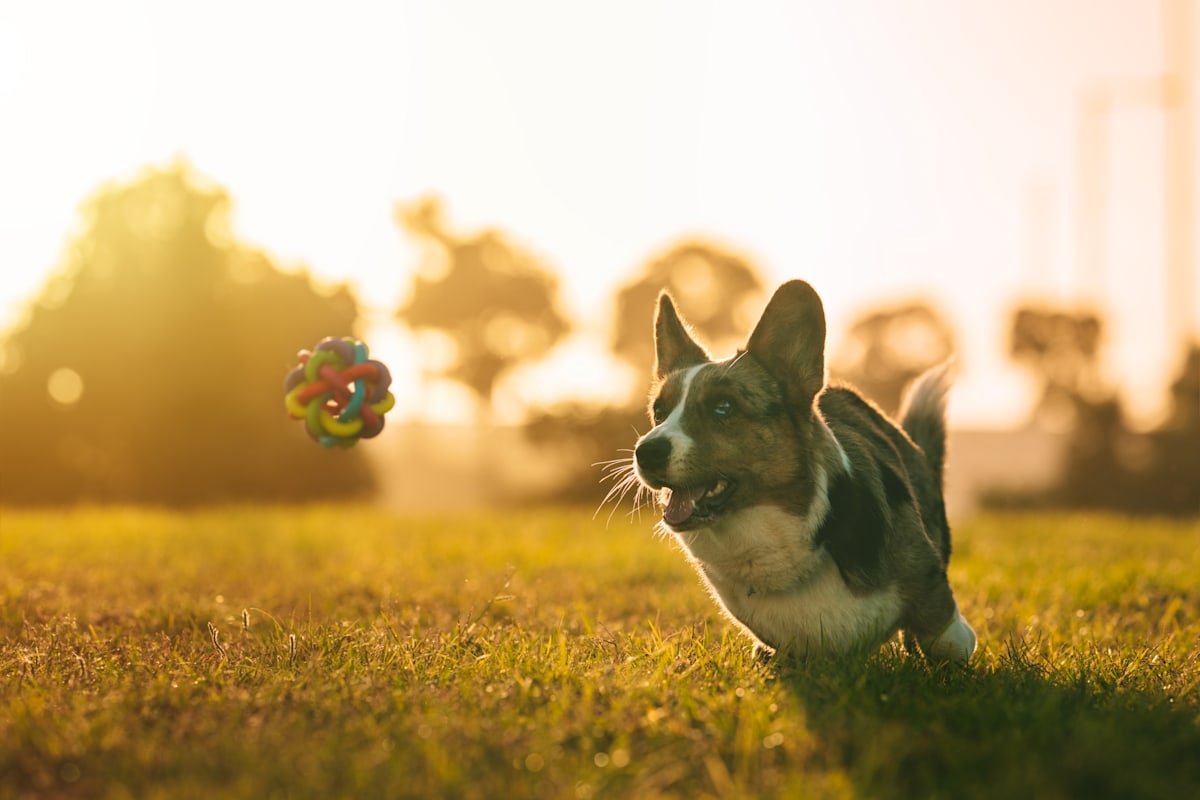
Originally bred to herd cattle, Cardigan Welsh Corgis are active, fun-loving dogs that thoroughly enjoy human company. Sharp and full of character, Cardigans are incredibly trainable, making them ideal house pets in an active home, as well as a constant companion and work partner.
Origin: Wales Other Names: Cardigans, Cardis, ‘Yard-Long Dogs’
Created in 1983, is the newest AKC classification; its members were formerly members of the Working Group.
The Herding Group, created in 1983, is the newest AKC classification; its members were formerly members of the Working Group. All breeds share the fabulous ability to control the movement of other animals. A remarkable example is the low-set Corgi, perhaps one foot tall at the shoulders, that can drive a herd of cows many times its size to pasture by leaping and nipping at their heels. The vast majority of Herding dogs, as household pets, never cross paths with a farm animal. Nevertheless, pure instinct prompts many of these dogs to gently herd their owners, especially the children of the family. In general, these intelligent dogs make excellent companions and respond beautifully to training exercises.
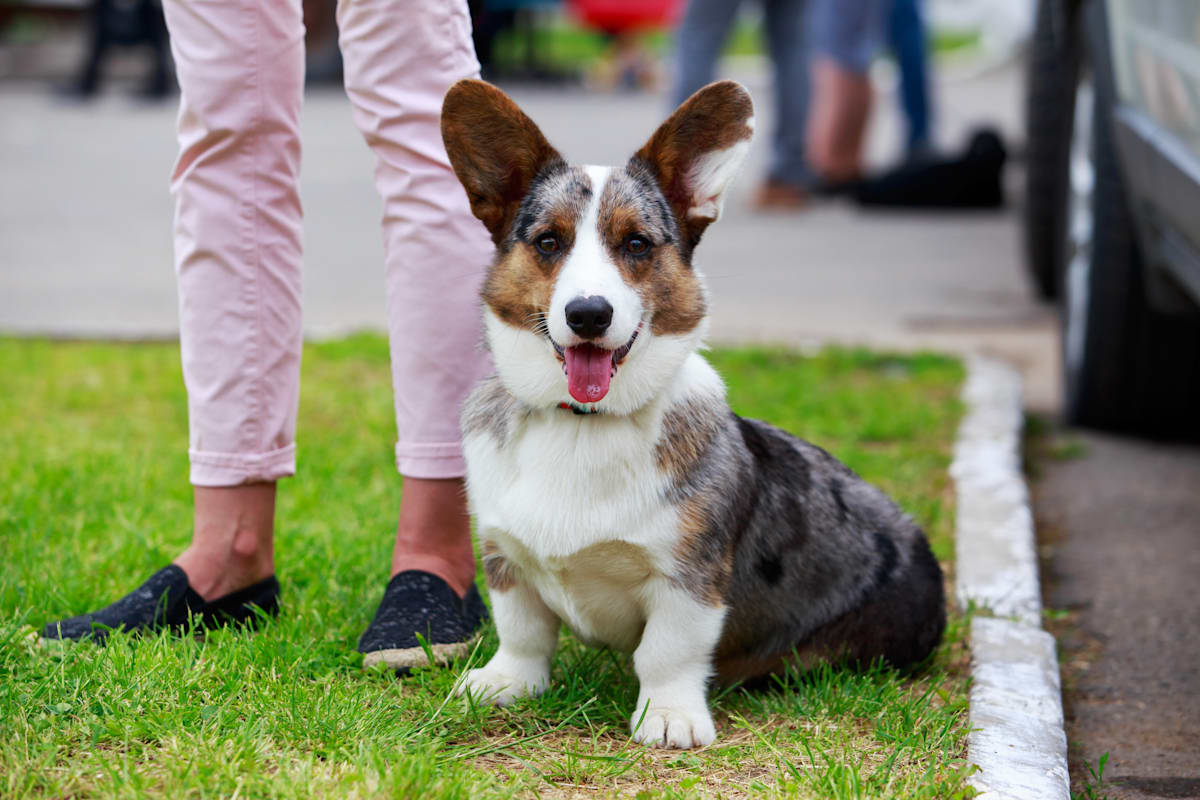
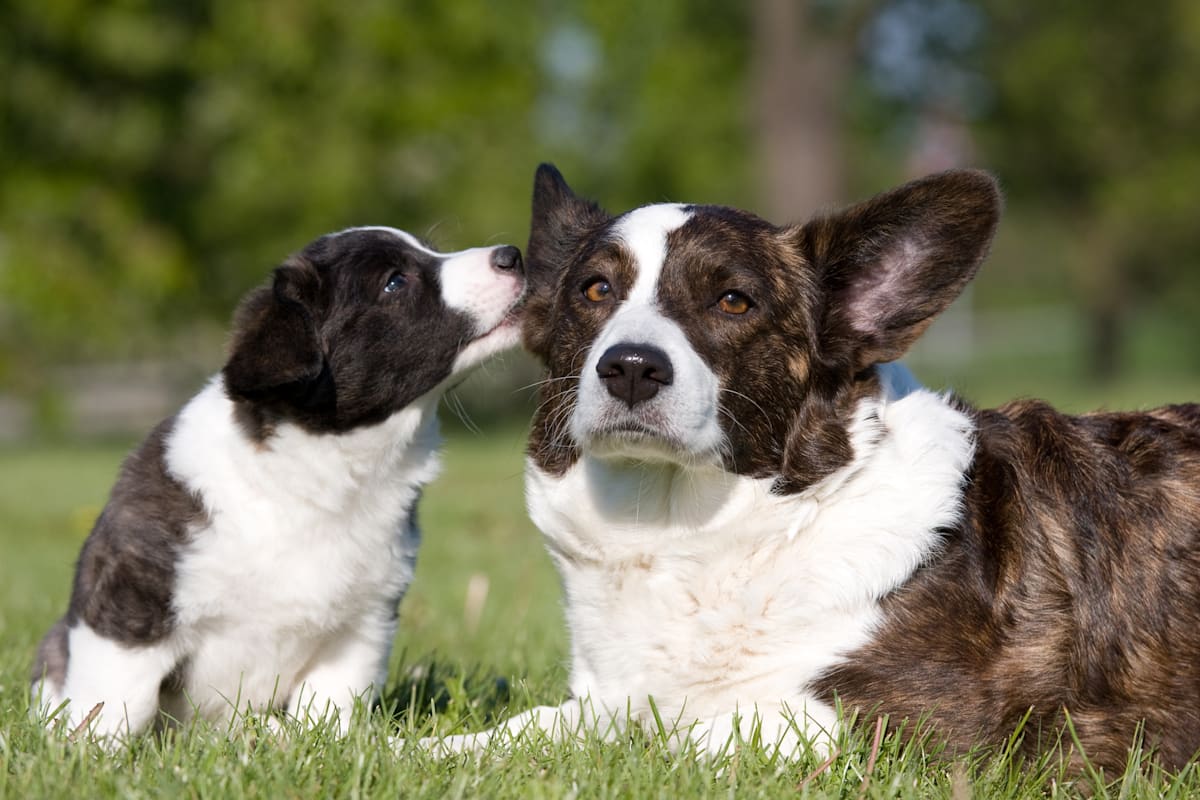
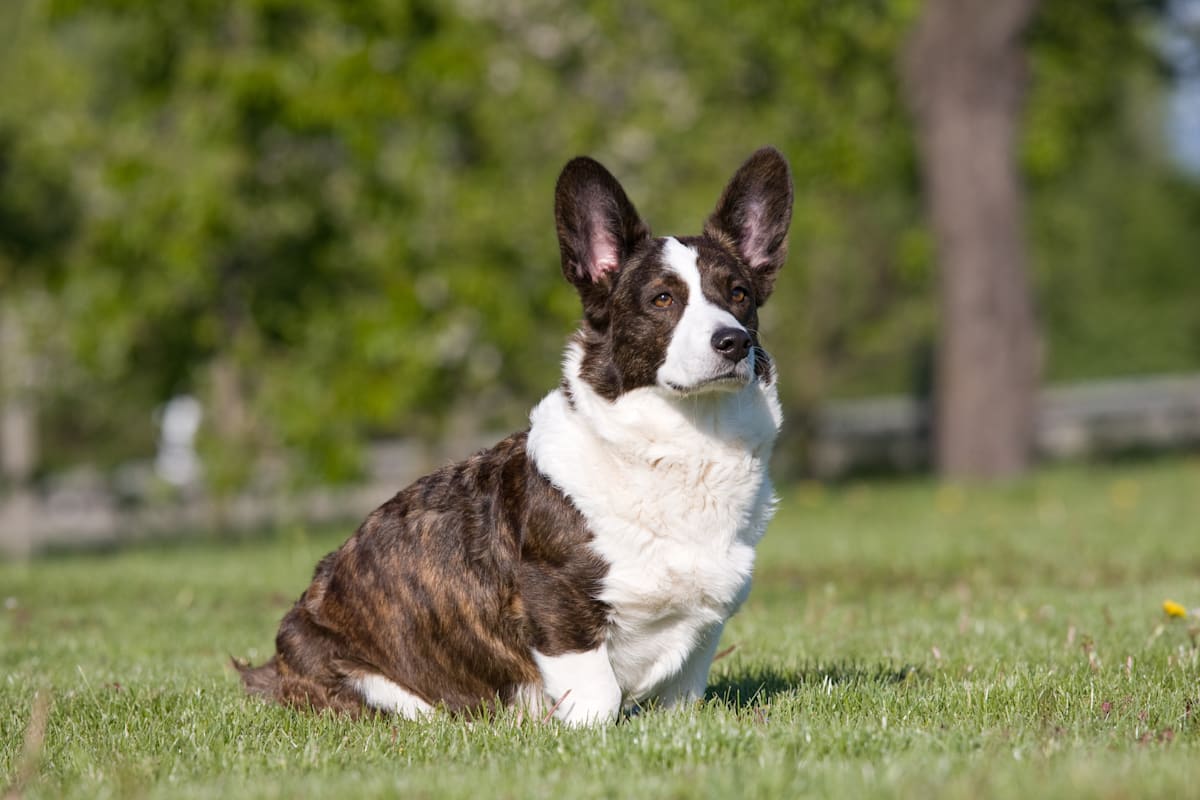
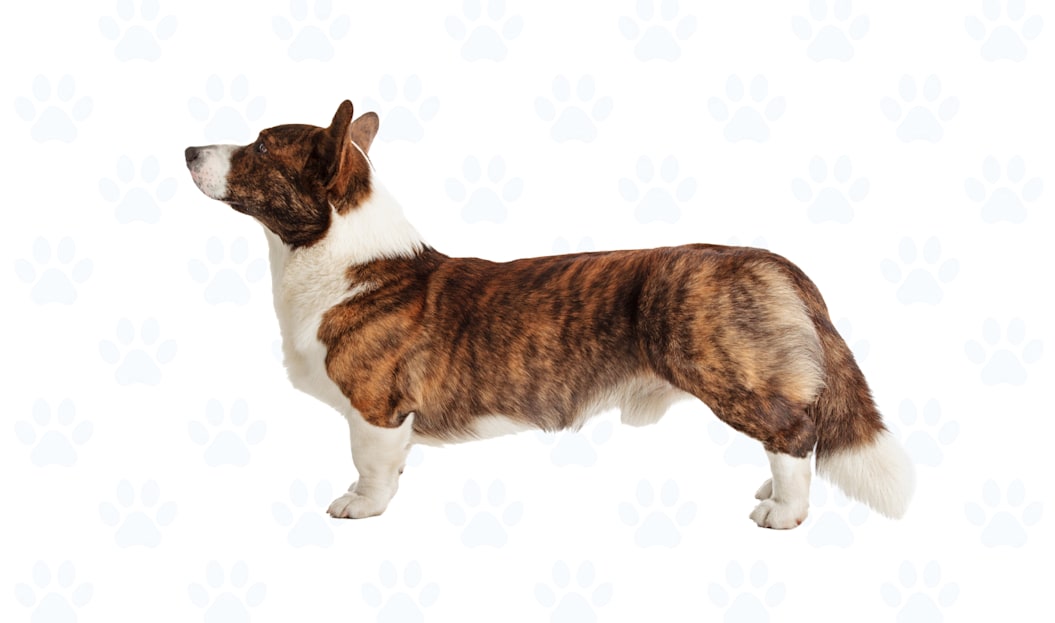
Cardigans have a distinct appearance, almost as if a normal sized dog had half its legs cut off, giving them a unique and often adorable, and often comical look. Cardigans have large ears that are erect and slightly rounded, with long and low slung muscular torsos on impossibly short legs. Unlike their closest relative, the tailless Pembroke Welsh Corgi, Cardigans are born with a straight fox brush tail and is the quickest way of differentiating it from the Pembroke. Cardis are usually just under a foot tall at the withers and are just about 3 feet long, from the tip of his nose to the end of his tail, which garnered him the nickname ‘Yard-Long’ dog, in the early days of the breed. Cardigans have a double waterproof coat and come in a wide variety of colors and patterns, including brindle, red, sand and blue merle.
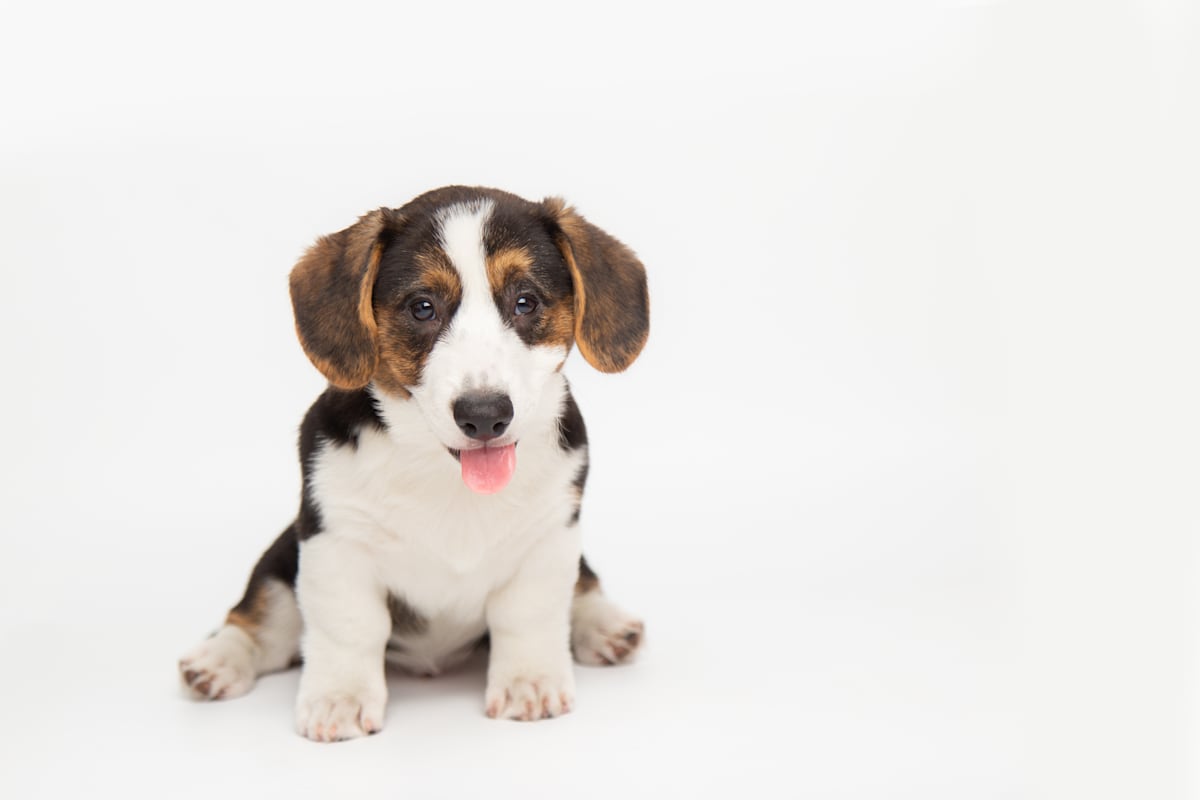
This breed can be found in a variety of colors. You can check them out below.
Cardis are usually just under a foot tall at the withers (shoulders) and are just about 3 feet long, from the tip of the nose to the end of the tail. Cardis can weigh anywhere from 25 to 34 pounds, with females at the lower end of the scale.
| Full Grown | |
|---|---|
| Female | 10 in. / 25 lbs. |
| Male | 12 in. / 34 lbs. |
Height is measured up to the shoulders.
At about a foot tall and three feet long, Cardigans are long, but quite short, and it’s likely you’ll have to help them climb onto furniture or into cars, especially as they age.
Cardis can weigh anywhere from 25 to 34 pounds, with females at the lower end of the scale.
Cardigans may be herding dogs, but their small stature and adaptable nature make them a decent house pet. Just make sure to keep them entertained or they can be mischievous and get into trouble.
Because of the breed’s nature and it’s herding heritage, Cardigans need to be exercised frequently and consistently. It’s generally recommended that you take your Cardi on two to three walks a day, and add variety to that with lots of play. That being said, with a sufficiently exercised dog, your Cardigan will make a relaxed lap companion in the evenings at home.
Cardigans love interacting with humans. Provided that they are socialized early and frequently as puppies, they should be adaptable and friendly to new people and situations. Without consistent and early training there is always a risk, as with most herding breeds, that Corgis can become suspicious, timid, or aggressive dogs. This aggression can be pronounced, especially since they are territorial, and tend to see their family as a flock that they need to manage and protect.
While most Cardigans grow up to be friendly, accommodating dogs that thoroughly enjoy human interaction, there is a chance that with limited training you may end up with a dog that will nip at a stranger’s ankles or bark at new humans or animals.
Cardigans tend to thrive in homes with older children. They can usually live comfortably alongside younger, active children, but be warned that they might try and herd smaller children and toddlers. While that may be cute initially, it can eventually result in the dog becoming territorial and guarding the children, even from you.
The best qualities of the Cardigan Welsh Corgi breed appear with positive training. Incredibly smart and trainable, corgis love mental stimulation and make for great herding or agility dogs that love intelligence games. They are adaptable and enjoy a challenge.
The Cardi’s thick double coat means that you’ll have a serious shedder on your hands, but it’s the trade-off for them being so cute and fluffy. Shedding can usually be kept under control, or at least tolerable, with frequent brushings.
Hearty, well climatized and built for endurance, Cardigan Welsh Corgis really are the ideal dog for any climate or lifestyle.
Corgis are notorious for their yapping and barking if they are bored or lonely. It’s best to keep Cardigans active and stimulated, otherwise you’ll live with a very vocal and stressed out dog that won’t hesitate to make noise about everything.
Cardigan Welsh Corgis are incredibly social and love to be around their humans. Often described as ‘The People’s Dog’, Cardis are full of character and love to be challenged and interacted with. They are very friendly and loyal and are very driven to make their owners happy.
One of the only complaints about Cardigans, and Corgis in general is that without enough stimulation they tend to be very vocal, and will do things like bark and chase joggers that pass your house or will yap to get your attention.
Similarly to other herding dogs, Cardigan Welsh Corgis are incredibly trainable, whether you only want to teach them basic commands and a few party tricks or you’d rather your Cardi herd livestock and compete in agility competitions. Their ability to be trained is really only limited to the owner’s patience and ability.
Bred to be very active outdoor working dogs, Cardigan Welsh Corgis need frequent exercise and love to be challenged with exercise and activities. Two to three walks a day are what most experts suggest, but you can also break up the mundanity of your usual exercise regime with agility activities or lots of play around the house.
Frisky, energetic breed that is always ready for action
With too little exercise and too much food, Cardigan Welsh Corgis can quickly become overweight. Avoid offering too many treats or table scraps to your Cardigan, since these can quickly pack on the pounds. Instead, feed your dog portion-controlled meals of a high quality balanced dog food.
Average daily consumption for an adult Cardi is 1/2 to 1 cup.
Regular preventative care, including routine trips to the veterinarian, flea and tick prevention, heartworm prevention, and intestinal deworming treatment are several of the ways that can keep your Cardigan Welsh Corgi healthy. Veterinarians have been extensively trained to pick up on subtle physical exam changes, which can help to identify minor problems before they become more significant.
As a smaller dog, Cardigans can quickly become overweight if they are offered too many treats or table scraps. Obesity has been associated with increased risks of diabetes and heart disease, and may exacerbate any underlying joint issues. Maintaining a healthy body weight by feeding portion-controlled meals of a high quality diet is of the utmost importance.
Certain health conditions occur in Cardigans at an increased frequency in the breed, sometimes due to a genetic predisposition. Genetic testing is available for some health conditions, and is often performed by responsible breeders prior to breeding in an attempt to decrease the incidence of these conditions. These conditions may include, but are not limited to, the following: Progressive retinal atrophy, Cataracts, Distichiasis, Von Willebrand disease and Degenerative myelopathy.
On average, Cardigans live to be 12-15 years old.
The Cardigans thick and fluffy coat is synonymous with the breed. Boasting a waterproof double coat, Cardigan Welsh Corgis are hearty all weather dogs. With its coarse top coat and thick soft undercoat, Cardis are notorious shedders and require regular grooming. Twice a week brushings are recommended all year, with more during his annual winter shed and be sure to pay special attention to his neck and rear legs, where the hair is thicker. The Cardi breed comes in a lovely variety of colors and patterns, including sand, blue merle, red and brindle.
Medium
Frequent
Cardigan Welsh Corgis are definitely notorious for shedding, but owners are usually able to keep it in check with regular brushings.
With a heritage that can be traced back over 3000 years, Cardis are one of the oldest dog breeds from the British Isles. The Cardigan Welsh Corgi’s ancestors are believed to have been brought to Wales by migrating Celtic tribes from central Europe around 1200 BC. Initially kept to guard children and flush out game for hunting, the Cardigan eventually grew into a favorite herding dog as tribes began to settle and raise livestock, eventually taking their name from Cardiganshire, a coastal county in Wales. Initially, Pembroke and Cardigan Welsh Corgis were shown together in dog shows. When the Corgi Club was founded in 1925, it was reported that it’s members heavily favored the Pembroke breed, and a separate Cardi Club was founded a year later. in 1934 the breeds were recognized separately by the British Kennel Club and began to show separately.