Hound Group
Most hounds share the common ancestral trait of being used for hunting.
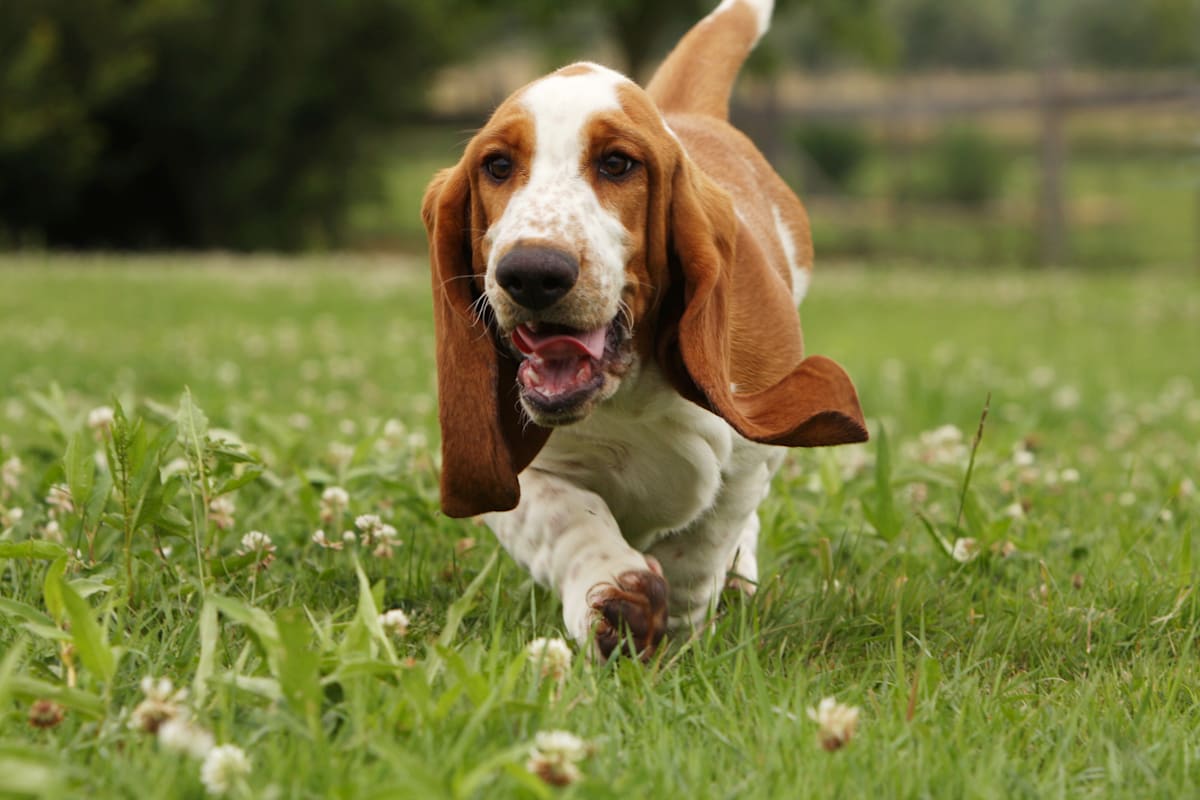
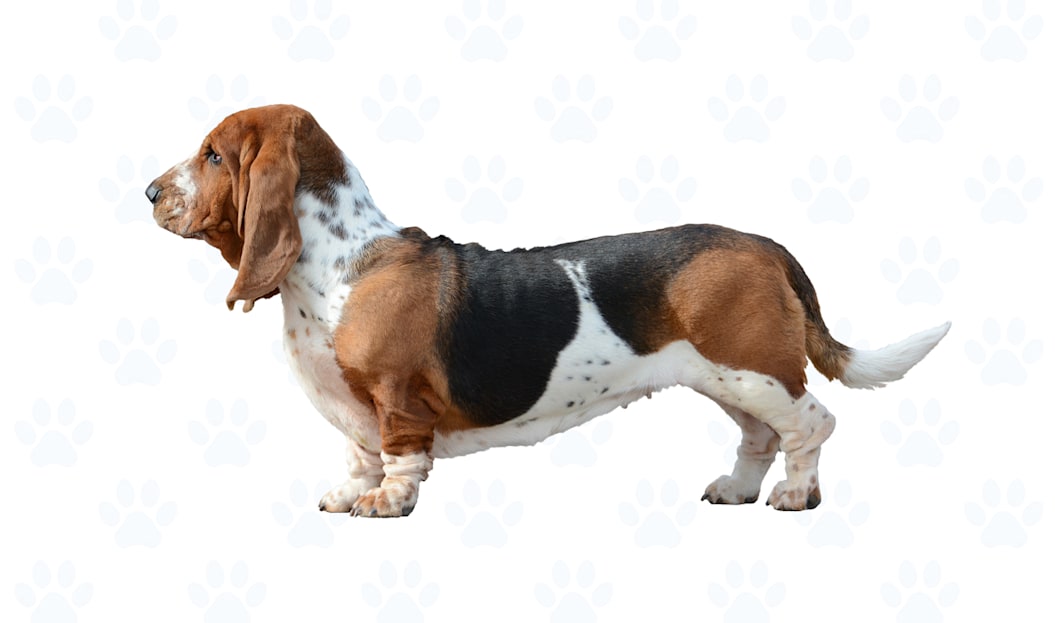
Basset Hounds are a short-legged hound bred for scent-smelling and hunting hare. After their cousin the Bloodhound, Bassets are the next best tracking dogs with a renowned sense of smell. As companions, they are friendly and make good family pets. Basset Hounds are typically outgoing, charming, and playful animals.
Origin: France Other Names: Hush Puppy, Basset
Most hounds share the common ancestral trait of being used for hunting.
Most hounds share the common ancestral trait of being used for hunting. Some use acute scenting powers to follow a trail. Others demonstrate a phenomenal gift of stamina as they relentlessly run down quarry. Beyond this, however, generalizations about hounds are hard to come by, since the Group encompasses quite a diverse lot. There are Pharaoh Hounds, Norwegian Elkhounds, Afghans and Beagles, among others. Some hounds share the distinct ability to produce a unique sound known as baying. You'd best sample this sound before you decide to get a hound of your own to be sure it's your cup of tea.
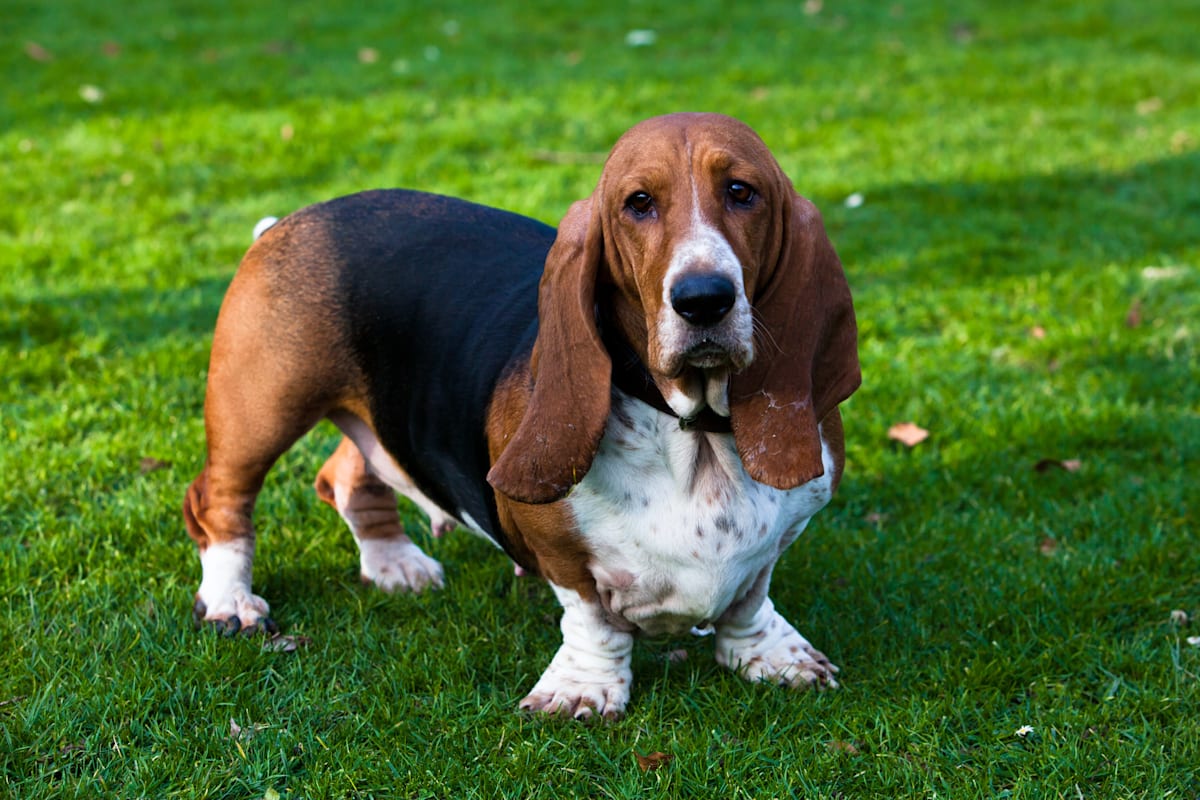
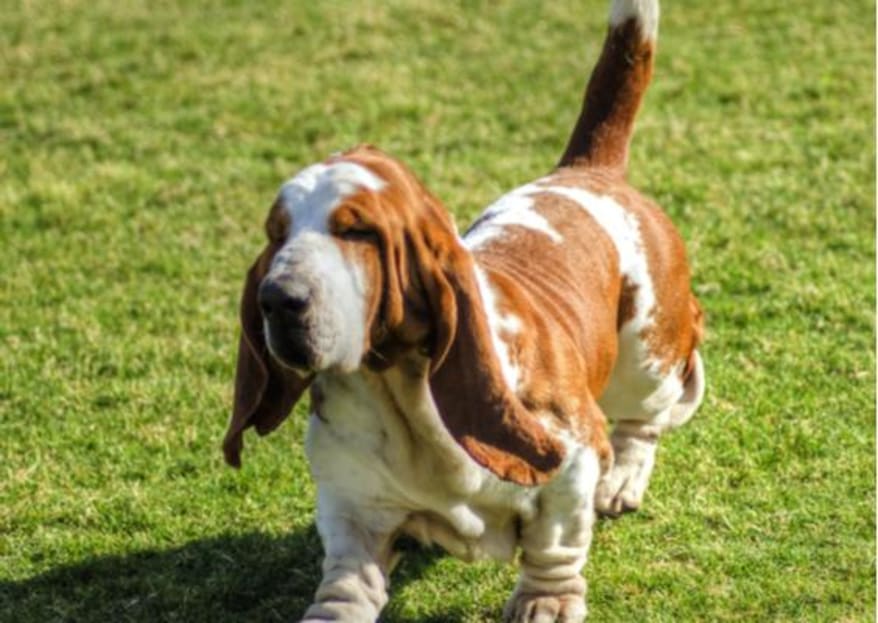
The American Kennel Club (AKC) recognizes 9 coat colors in Basset Hounds: black & white, black brown & white, black tan & white, black white & brown, black white & tan, brown black & white, lemon & white, mahogany & white, and red & white. Some other varieties include blue and other color combos, but the nine standard colors are the basis for competitive events. The Basset Hound coat is smooth and short with a close cut. Many Bassets have an H-shaped mask of color on their heads, and most mixed colors show up as patches on the head and body generally.
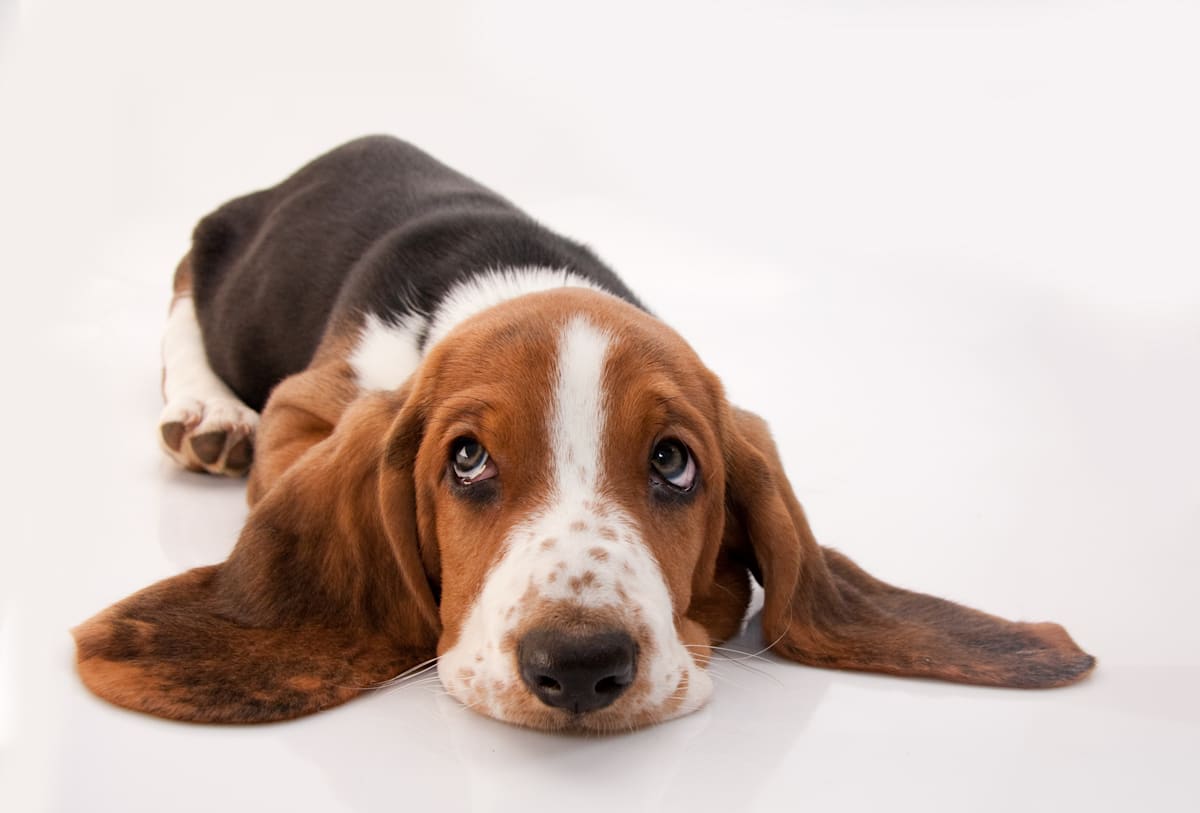
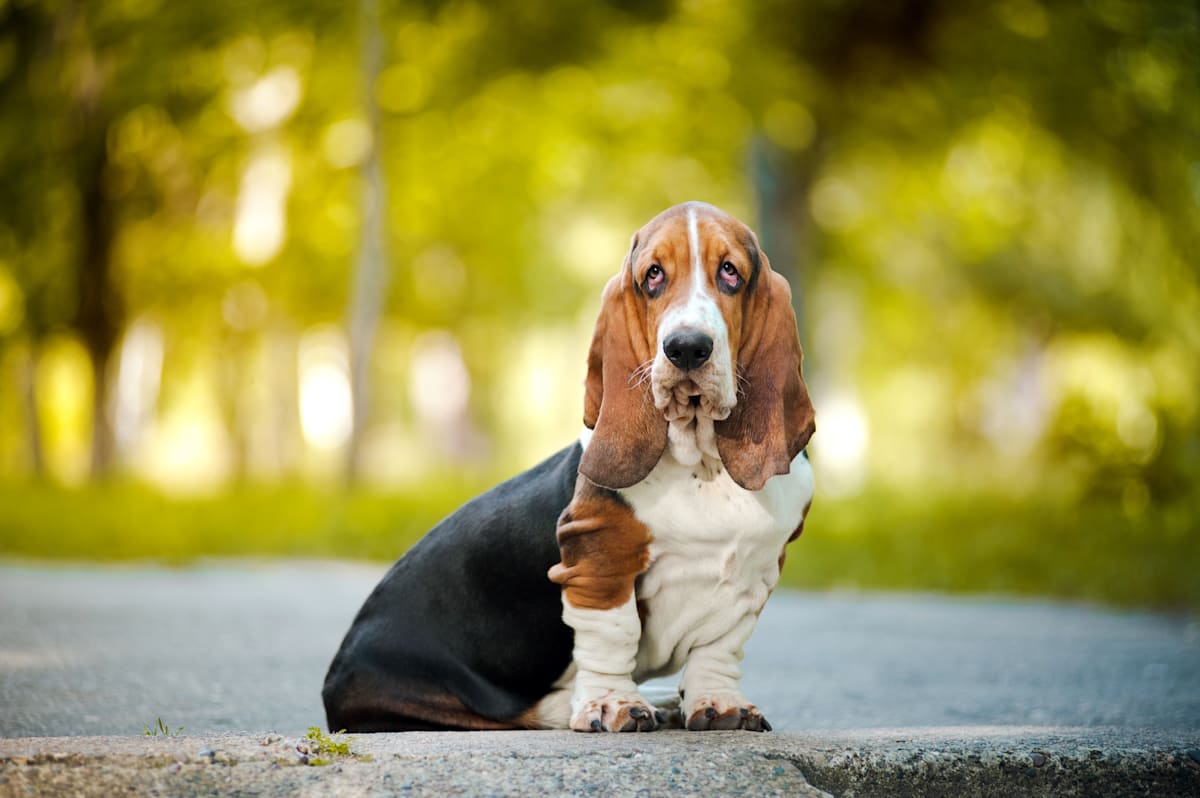
The name Basset comes from a French phrase meaning low and small. This characterization describes the breed very well. Basset Hounds are stocky with big heads and very short legs. Their large ears hang down to help them “cup” the scents that pique their interest. Their tails are often long and held high level with the top of the head.
Basset Hounds are medium-sized dogs, built low to the ground. Most adult males weight between 55 and 75 pounds. They only grow to be 12-15 inches tall at the shoulders (withers). Basset Hounds carry most of their weight in their skeleton and heavy head.
| Full Grown | |
|---|---|
| Female | 12 in. / 50 lbs. |
| Male | 15 in. / 65 lbs. |
Height is measured up to the shoulders.
Basset Hounds are medium-sized dogs, built low to the ground. They only grow to be 12-15 inches tall at the shoulders (withers).
Most adult Basset males weigh between 55 and 75 pounds.
Basset Hounds are easy to fit into a small space. They don’t have abundant energy, and their medium-sized packaging should feel at home in the smallest apartment.
Basset Hounds thrive when they have a healthy outlet for their natural prey drive. Focused activity is important. If you can’t get out to the dog park, it’s worth getting a couple of good walks in every day to maintain their health and mental well-being.
Basset Hounds are very loving and affectionate with their human family. As a pack breed, they typically love playing with other dogs. Basset Hounds are generally well-mannered, but it’s important to supervise them around other pets and small children at play.
A Basset Hound’s friendly disposition overrides any strong instinct to protect their home and family. They aren’t timid dogs, but they won’t scare off many burglars or unwanted guests.

Basset Hounds make a great family pet since they have a gentle and loving manner around children and other pets. They are very tolerant and playful, and they are used to a bit of rough-and-tumble play as a pack breed meant for hunting. As always, supervise any small children or people not used to being around dogs.

Most Basset Hounds love training and learning new tricks if you cater to their intelligence and start the process early in life. They are excellent trackers, and their prey drive is extremely active with an enticing smell in the air. Always use a leash when you walk your Basset Hound in public. The breed can be a bit mouthy, especially as puppies. The challenge in training is keeping enthusiasm high and distractions at a minimum.

Basset Hounds, like other dogs in the hound family, shed their coats easily. Owning a Basset Hounds comes with a commitment to tackle their shedding issues head-on. Extra housework is part of the package, but these lovable companions are worth the time and energy behind the vacuum and sanitary wipes. Invest in the right tools, and maintain a regular grooming schedule.
Basset Hounds can withstand most climates, but they don’t do well in extreme cold or heat. If you live in a very cold or very warm place, it’s worth playing extra attention to your Basset Hound. Be on the lookout for sign of health distress such as extreme panting or shivering.
Basset Hounds will likely sound an alarm if they hear a noise or see a stranger, but they tend to be relatively quiet most of the time. The have a strong, deep bark that can be quite intimidating to those who don’t know them.
Choose a breed from the dropdown to see potential crosses.
Basset Hounds can be stubborn with a high prey drive, but they are also loving and affectionate companions. Once they settle into family life, Bassets are laid back and relaxed most of the time. They are usually very tolerant and happy to share their space with other people and pets. Basset Hounds don’t like to be left alone all day, and they prefer to live in a pack with other pets - dogs or cats. As with all breeds, the Basset Hound thrives with early socialization and dog obedience classes. It pays to lay a foundation as a puppy to help your dog develop the proper habits and behaviors later in life.
Basset Hounds do bark, but it’s not something strongly associated with the breed. If your companion is howling and barking all day, it may be a sign of a medical or behavioral problem lurking under the surface. As a pack animal, the Basset Hound often competes for attention with constant barking, especially out on the hunt. Bassets are playful and eager to join in the fun, but they can be prone to injuries. Their stocky bodies are a lot for little legs to carry, so be wary of any big leaps or aggressive running around.
Since they can be a bit stubborn and difficult to keep focused, Basset Hounds do well when they get proper training suited to their personality. Positive reinforcement and leaving room for some independence is crucial. Basset Hounds don’t respond well to harsh training or forceful education. Take it easy and help your Basset Hound to build his confidence and trust over time.
Basset Hounds are strong and agile, but their limbs are relatively fragile. Don’t let them jump off couches or car seats – lift them to the ground instead
It is easy to take care of a Basset Hound, but they do need a little TLC to stay happy and healthy. A regular walk and some playtime running around the house are both crucial to burn off excess energy and keep their minds stimulated. Always keep your Basset on a leash – their legendary prey drive will get them into trouble, and your commands may fall on deaf ears. Better safe than sorry – use a leash out in public.
Wanderlust is common to the breed. Even if you have a fenced backyard, a Basset Hound may try to break out of containment to follow a really enticing scent. Before you let your Basset run free in the yard, it’s worth shoring up your fence. Keep a close eye on your Basset over the first few hours in the backyard. Your companion will let you know if there are any holes!
Enjoys some moderate exercise every now and then
Proper portion control is the key to feeding a Basset Hound in order to maintain a healthy body weight. Overweight Basset Hounds are more likely to develop problems associated with their elbows and backs should they become obese. Always use a measuring cup to measure your dog’s food intake.
Average daily consumption for an adult Basset is 2-3 cups
Due the nature of the Basset Hound’s achondroplasia (form of dwarfism), they are prone to developing elbow dysplasia. While there is no definitive measure to prevent this condition, maintaining your Basset Hound at a healthy body weight is critical to reduce the stress placed on these joints. Due to a Basset Hound’s long back, lifting your pet off of furniture and out of the car can be helpful to decrease the impact on the back caused by jumping down. Pet stairs can also be a beneficial tool around the house.
Regular ear cleaning and wiping of skin folds with a veterinary anti-fungal product can be helpful in maintaining skin health since Basset Hounds are prone to developing fungal infections. There are genetic screening tests for some of the inherited conditions in Basset Hounds that are particularly useful prior to breeding in an attempt to decrease the dissemination of these conditions.
Elbow dysplasia, Basset Hound thrombopathia, Panosteitis, Cervical vertebral malformation, Intervertebral disc disease (IVDD), Primary seborrhea, Ectropion, Entropion, Eversion of the cartilage of the nictitating membrane, Glaucoma, Macroblepharon, Persistent hyaloid artery, Cutaneous squamous cell carcinoma, Nasal cavity tumors, Malassezia dermatitis, Mycobacterium avium complex, X-linked severe combined immunodeficiency and Lafora’s disease.
On average, Basset Hounds live to be about 11-12 years old.
Basset Hounds are easy to groom, but they do shed and drool a lot. With weekly brushing and a regular bath, their fur should be in good shape and manageably contained. Their skin is loose and thin, so it’s helpful to go slow and pay attention to avoid accidents and injuries while you brush.
One of the most important grooming practices for Basset Hounds is cleaning their folds and ears. Since they hang low and easily capture dirt, their ears and dewlap need regular cleaning to avoid infection and irritation. Aside from regular maintenance cleaning including ears, teeth, and eyes, it’s generally an easy breed to keep groomed.
Short
Occasional
Most members of the family known as “Hounds” have shedding issues, and the Basset Hound is no exception. Their short fur ends up everywhere they go, so it’s up to you to tackle the shedding problem to help contain the mess. First, you need to do weekly brushing with a good quality dog brush. Take the opportunity to collect as much hair as possible in a controlled environment –don’t wait for those little hairs to break or fall out on their own. Another key strategy to tackle the Basset Hound shedding problem is working with the right tools. A proper vacuum and sanitary wipes can help pick up the hair and drool left by your lovable companion.
The Basset Hound began as part of the St. Hubert Hound, a famous breed from Belgian monks active around the year 1000 AD. These hounds descended from Laconian or Spartan Hounds from the Mediterranean, a breed known for its legendary tracking abilities. The first mention of a Basset Hound appears in a French hunting text from 1585 in a section regarding fox and badger tracking. The Basset breed likely broke off as a mutation from the Norman hounds seen around France and England in the middle of the millennium.
The Basset Hound lived mostly in France until introduction to England in the 1870s. As its popularity rose as a rabbit (or hare) hunting breed, many Brits came to love the dog for its working abilities and charming personality. The first British breed standard came in the late 19th century, followed much later by the AKC in 1935.