


Kennel Cough: Symptoms, Prevention & Bordetella Vaccine Guide
Published on March 20th, 2024
Updated on October 15th, 2025



If your pet has an odd-sounding cough, they may have kennel cough—a common and highly contagious respiratory disease that is often spread when multiple pets are in close quarters. While the disease is usually mild in otherwise healthy cats or dogs, it can be dangerous in certain cases. Fortunately, there is an easy way to prevent the most common cause of kennel cough. The Bordetella vaccine is highly effective for both felines and canines.
The Bordetella vaccine for cats and dogs might not be right for everyone, but it could be a good idea for those who regularly interact with other pets. Here’s what you need to know about kennel cough and the vaccine.
What is kennel cough?
You’ve probably heard of kennel cough, especially if you bring your dog to doggy daycare or board your cat or dog when you go out of town. It’s a common term for infectious tracheobronchitis, a group of highly contagious viruses and bacteria that can cause respiratory disease in pets.
Kennel cough attacks the lining of your pet’s respiratory tract, inflaming their nose, throat and upper airway. It typically spreads when an infected pet coughs or sneezes near another, but it can also be dispersed when they share toys, bowls or beds.
Cats and dogs with kennel cough share many of the same symptoms. The most common are:
- The infamous “goose honk” cough
- Lethargy
- Lack of appetite
- Discharge from the eyes and nose
- Wheezing
- Coughing up liquid or foam
- Shortness of breath
- Difficulty breathing
If you notice your pet has symptoms of kennel cough, it’s a good idea to contact your veterinarian. Though kennel cough is usually mild, it can be very uncomfortable for your pet, spread between pets if proper precautions aren’t followed and certain other diseases mimic the symptoms of kennel cough.
Is kennel cough dangerous?
The good news is that kennel cough is usually mild in dogs and cats that are otherwise healthy. However, it can be more severe in young, senior, sick or immunocompromised pets. Additionally, kennel cough may lead to a secondary infection, such as pneumonia, which can be more serious or even fatal. Kennel cough is less common in cats then in dogs. Cats can catch kennel cough form infected dogs, and infect dogs with kennel cough, however, kennel cough in cats is usually mild
What is the Bordetella vaccine for dogs and cats?
Many different bacteria can cause kennel cough, but the most common is a type of bacterium known as Bordetella bronchiseptica. The Bordetella vaccine protects against infections caused by this bacterium.
This vaccine exists for cats and dogs, though the canine version is far more popular. It is often administered as an injection, though you can also find an intranasal or oral Bordetella vaccine.
The vaccine can be given to puppies as young as three weeks old and is typically administered in two doses spread over two to four weeks. Your pet will also likely need a booster vaccine every six months to a year. Talk to your vet about the right Bordetella vaccine schedule for your pet.
You may be able to request an inoculation that also protects against canine parainfluenza virus or canine adenovirus type 2. Ask your vet whether this type of vaccine might be a good option for your pet.
One important thing to note is that the Bordetella vaccine for dogs and cats is not 100% effective at preventing kennel cough. Since it only protects against Bordetella bronchiseptica, it can’t prevent kennel cough caused by other bacteria or viruses.
Is the Bordetella vaccine for cats and dogs safe?
Any medical intervention comes with risks, but serious medical side effects from the vaccine are rare in cats and dogs. The medical consensus is that the benefits provided by the vaccine far outweigh the risks.
The Bordetella vaccine’s side effects are usually mild and can include soreness, fatigue and a low-grade fever for a few days after it is given.
Is the Bordetella vaccine necessary for cats and dogs?
The answer to this question will depend on each pet's unique circumstances and their parent’s preference. Some pets may have little need for the vaccine, while others may need to be vaccinated to attend daycare, training and other group activities.
The Bordetella vaccine is not required by law and is not considered part of the core vaccination schedule for dogs or cats. Pets that stay indoors and do not regularly socialize with other felines and canines are at low risk of contracting kennel cough and have less need for the vaccine. This is why very the Bordetella vaccine for cats is relatively rare.
Pets that often socialize are at a higher risk of contracting kennel cough. This includes those who:
- Attend daycare
- Are boarded
- Go to grooming facilities
- Attend group training classes
- Spend a lot of time at dog parks
- Compete or perform at shows
- Are walked with multiple dogs
- Socialize often with other pets
If you feel unsure about vaccinating your pet, consult your veterinarian. They can make a recommendation based on your pet’s activities and answer your questions about the vaccine, including questions about Bordetella vaccine side effects in dogs and cats. You can also ask your vet about the best dog vitamins and supplements and cat vitamins and supplements to protect your pet’s overall health. A healthy pet will be more likely to shake off kennel cough if they should get infected.









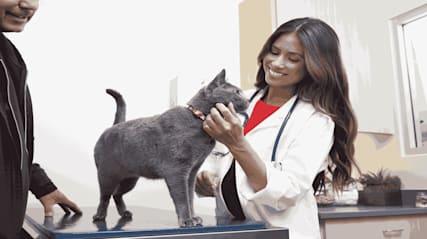
Book an appointment with the pros – our expert vets are here to help.
