How to Keep Your Reptiles Cool in Emergencies and Excessive Heat
Published on August 14th, 2025
Updated on August 14th, 2025


Introduction
As cold-blooded animals, reptiles need external heat sources to keep warm, but did you know they may need help staying cool in extreme heat, too? For example, if your area is experiencing a heatwave and you don’t have air conditioning or it breaks down, it’s often safer to turn off your reptile’s heat than to risk dangerous overheating. Most reptiles can tolerate a temporary drop in temperature better than excessive heat. What’s excessive? See sidebar below for species-specific guidelines.
Even small temperature shifts can impact your reptile’s health. Unlike dogs and cats, reptiles need a carefully controlled habitat that closely mimics their natural environment. Daily weather checks and maintaining consistent conditions help prevent stress, respiratory issues and shedding problems.
Start by cooling the room where your reptile lives: use fans, close blinds, or run air conditioning or a portable unit if available. If room adjustments aren’t enough, focus on modifying the enclosure itself to help keep temperatures within a safe range.
Read on for tips on how to keep your scaled friends comfortable throughout your—and their—home! Petco can help with the right tools, as well, with a variety of heat lamps, ceramic heaters and thermostats that are essential for testing and maintaining proper temperatures.
Heat by species
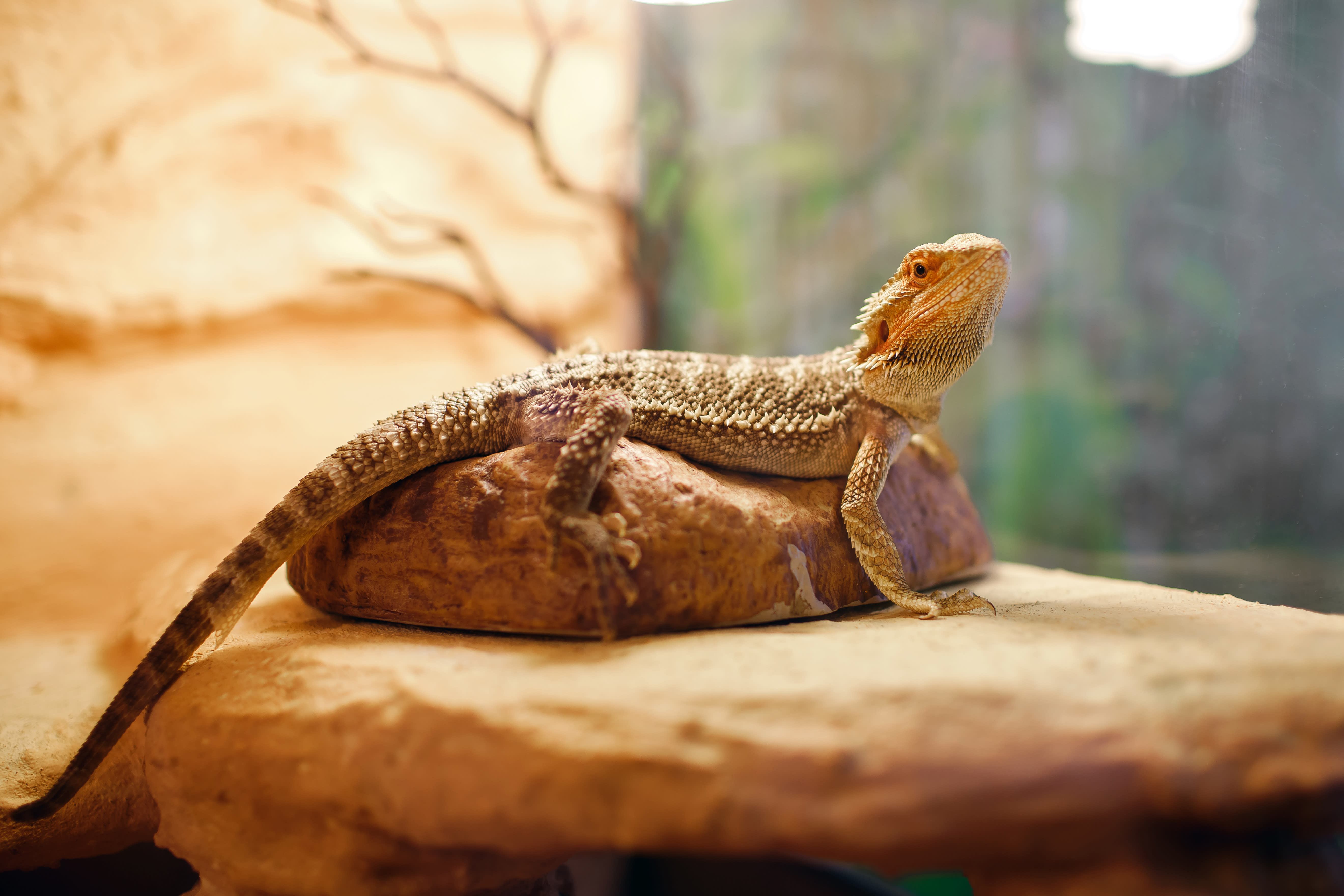
According to Petco’s exotics experts, reptiles require a temperature gradient inside their habitat that allows them to thermoregulate between a colder area (typically 85°F or less) and a basking area that meets the specific needs of that reptile. This allows your reptile to move from the cold side to a warm basking area and vice versa to thermoregulate, which is a science-y way to say “self-select the temperature most comfortable at any given time.”
Maintaining proper humidity and this temperature range is essential for health. For additional temperature and humidity requirements, review Petco’s species-specific Care Sheets or other trusted resources for additional information.
Here are general ranges for some common reptiles:
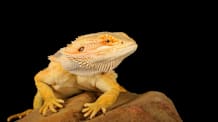
- Bearded Dragons
- Basking area: 100°F
- Cool side: 75–85°F
- Leopard Geckos
- Warm side: 95°F
- Cool side: 78–88°F
- Ball Pythons
- Warm side: 95°F
- Cool side: 78°F
- Corn Snakes
- Warm side: 85°F
- Cool side: 70°F
- Red-Eared Sliders (aquatic turtles)
- Water temperature and cool side: 75°F
- Basking area: 95°F
Always check care guidelines for your specific reptile, as optimal temps can differ by age, health and species.
Signs of overheating
Still not sure if it’s too hot for your reptile? Keep an eye out for these signs of overheating.
Behavioral changes: Look out for lethargy, disinterest in food at mealtime, restlessness, open-mouth breathing or excessive panting (in species that pant), your reptile persistently seeking out cooler spots in the enclosure/refusing to bask or uncoordinated movements.
Physical signs: Increased skin temperature or flushed or reddened skin (for some species).
Heatstroke is no joke. If you suspect your reptile is overheating, contact your exotics veterinarian immediately because this can quickly turn into a true emergency.
Cooling the room
Summer reptile care can, in some ways, mimic how you would keep yourself cool but with some differences. To cool a room appropriately for most reptile pets, aim to lower the ambient temperature without creating strong drafts or sudden drops that could stress your pet. Portable AC units are a great option; they allow you to control the temperature more precisely without turning off all lighting and heating elements.
You can also try a DIY swamp cooler by placing ice cubes in a shallow bucket with a fan behind it to gently circulate cooler air around the room. Always monitor the temperature closely with a reliable thermometer to ensure it stays within a safe range for your specific reptile species.
Relocating your pet
Reptiles and real estate have something in common—it’s all about location, location, location! If you have a cooler, temperature-stable area in your home such as an air-conditioned room or even a basement, consider temporarily moving your reptile's enclosure there until the heatwave subsides or your air conditioning comes back on.
When relocating, be sure to move both the habitat and your reptile carefully. Safely place your pet in a smaller, temporary habitat or well-ventilated but escape-proof holding container and move to a temperature-appropriate area before relocating the habitat to the new location. Depending on your reptile’s habitat size, this may be a two-person job to do quickly and securely.
Cooling in and around the habitat
Before we address the habitat itself, let’s talk about how to adjust the ambient temperature around the habitat (but not the whole room):
Shade: Block direct sunlight from hitting the enclosure using curtains or shade cloth to reduce heat buildup.
Frozen water bottles: Place frozen bottles near the enclosure to help cool surrounding air. Never put them inside the habitat.
While these next three tips will help you cool a whole room, you might need some extra reinforcements near the habitat. That will all depend on the size and temperature of the room you’re trying to cool down.
Fans: Use fans to circulate air across (but not into) the enclosure to help safely lower the ambient room temperature.
Portable AC units: Small ice-based AC units can help cool the room or area near the enclosure without creating drafts.
Swamp cooler: Place a bucket filled with ice in front of a fan to push cooler air toward the enclosure in a safe, indirect way.
The smallest and most direct location is, of course, the habitat itself. Here are a few safe ways to help cool down a reptile enclosure:
Basking time: Avoid basking light hours during peak heat as necessary, especially in the afternoon, to reduce the chance of overheating.
Cooling rocks/tiles/colors: Add light-colored tiles or smooth stones to create a cooler surface your reptile can rest on; lighter shades absorb less heat when in direct sunlight.
Misting/spraying: Light misting (only if species-appropriate) can reduce temperature and boost humidity without soaking the enclosure.
Adjust ventilation: Ensure balanced airflow. Too much dries out the habitat, while too little may create stagnant, humid conditions that contribute to mold growth.
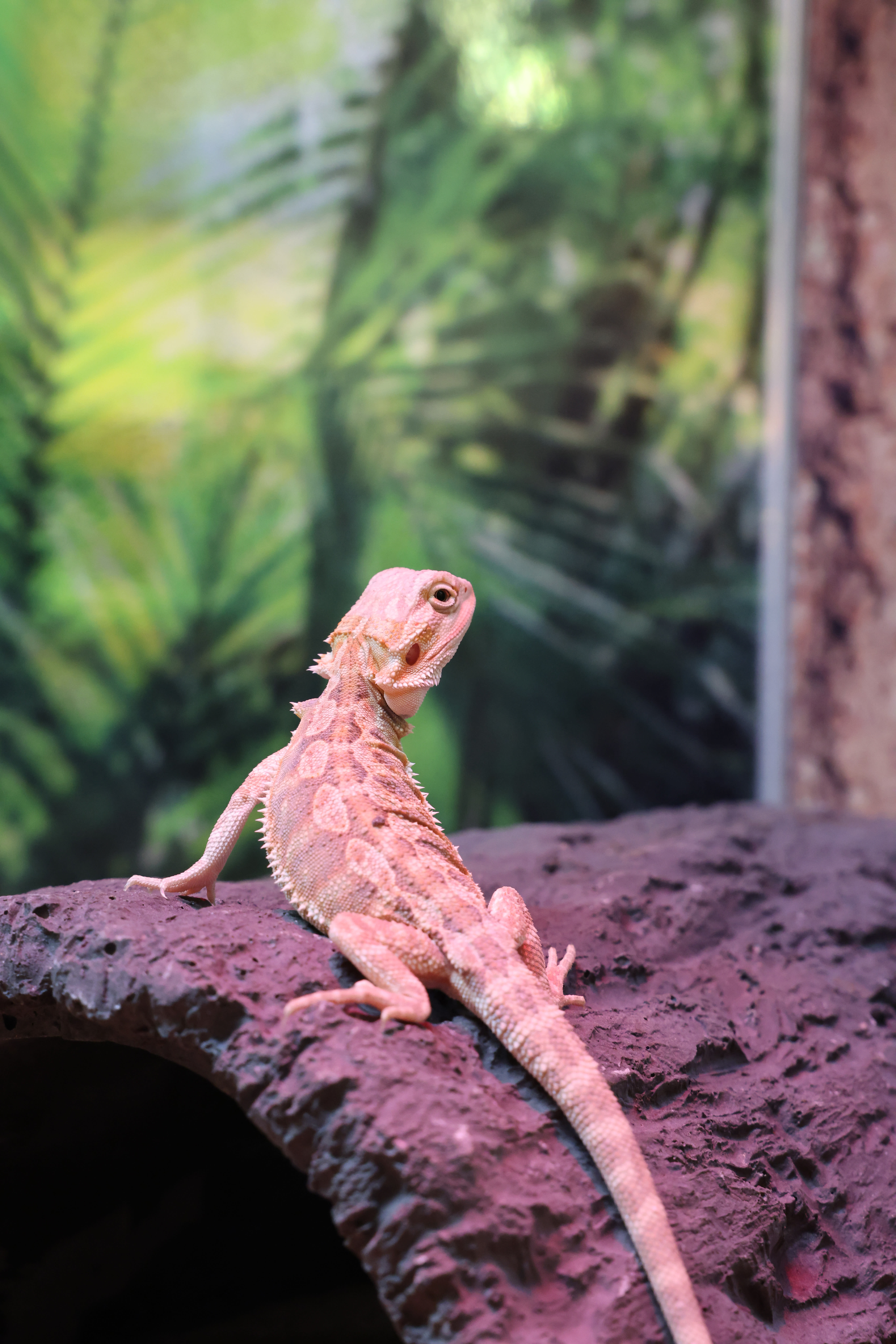
Things to Avoid
Knowing what to do is essential, as is knowing what not to do.
Spraying with cold or frozen water: Sudden drops in temperature can shock your reptile’s system and cause stress or illness, especially for tropical species. Always use lukewarm or room-temperature water when misting.
Ice packs inside the terrarium: Direct contact with frozen items can cause burns and create unsafe temperature fluctuations. It's safer to cool the air around the enclosure than inside it.
Free roaming: Allowing reptiles to roam freely in the home can expose them to dangerously hot or unpredictable temperatures and surfaces. It also increases the risk of injury and escape.
“Bathing” in cool water: Soaking your reptile in cool or cold water can be dangerous and lead to shock. Most species don’t temperature regulate well through water, and any baths should be lukewarm and species-appropriate.
Conclusion
By thoughtfully adjusting your reptile’s habitat, you can prevent heat-related stress and help ensure a healthy and comfortable pet all summer long. A well-balanced enclosure supports natural behavior and long-term wellness. Your reptile deserves a space that truly serves as home, sweet home. For any health concerns or species-specific needs, never hesitate to reach out to your exotic animal veterinarian.
My power is out! How do I keep my pet reptile warm and safe?
How long can my bearded dragon go without heat during power outage?
Bearded dragon hurricane prep: Power outage lights and heat?
How to tell if my snake is overheating from a new heating mat?

How to keep my pets cool and safe during this hot summer weather?
My hatchling iguana is too hot. What should I do about its tank?
How to keep my scared cat cool in a hot apartment without AC?
My bearded dragon needs heat & food, no store. What can I use at home?
How can I improve my reptile's tank setup for safety and comfort?