Can Hamsters Eat Cheese?
Published on April 1st, 2026
Updated on April 1st, 2026

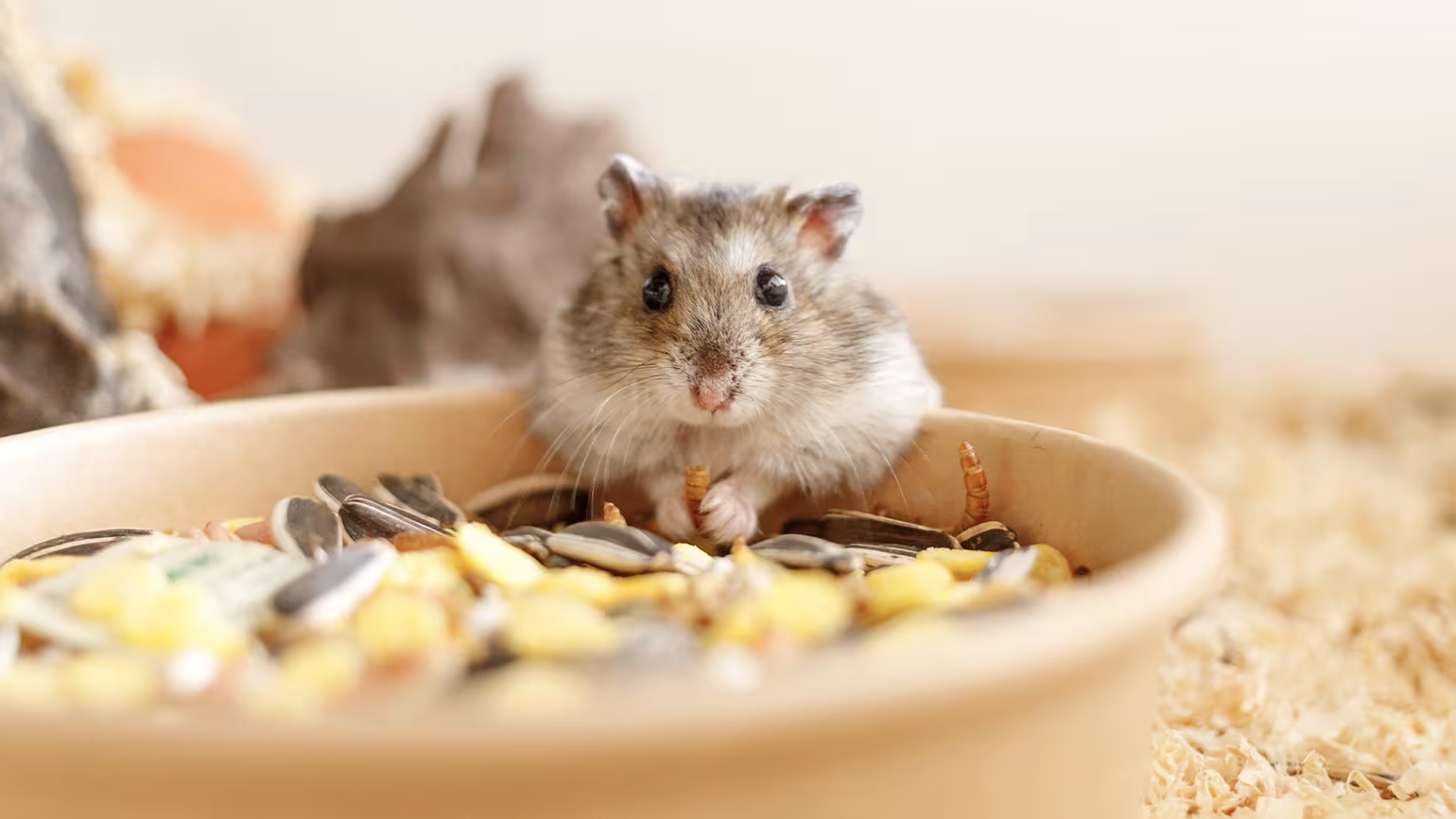
If you are “of a certain age,” you might remember the commercial from the ’80s that riffed “cheese, glorious cheese” in the style of Oliver’s “food, glorious food.” It’s not surprising then that a variety of pet parents are interested in sharing the glorious snack with their pets, including their hamsters. And most pets love it—it smells good, tastes good and comes in different flavors. When you see a mouse in a cartoon, chances are they will be eating a tiny piece of cheese. But is cheese actually a good treat choice?
The short answer is: occasionally, hamsters can have cheese in very small amounts and only certain types.
Below we’ll give you the information to help you decide whether cheese belongs in your hamster’s treat rotation.
Fun fact: Hamsters and mice are part of the same order (rodents) but do not share a genus or species. Accordingly, their dietary needs have some similarities but are not exactly the same.
What happens if you give your hamster cheese?
Many hamsters can tolerate an occasional tiny piece of cheese without issue. Others may show signs of digestive upset or food sensitivity. Tiny means about the size of a small pea. Just because your hamster could eat more doesn’t mean they should.
Common reactions include:
No visible change: Your hamster eats the cheese happily and behaves normally
Soft stools or diarrhea: A sign their system may not handle dairy well
Mild stomach discomfort: This typically manifests as a reduced appetite
Increased thirst: Especially if the cheese is salty
Hamsters are individuals and responses can vary based on:
Species: Syrian hamsters may tolerate treats slightly differently than dwarf species
Serving size: Even safe foods can cause problems when portions are too large or offered too frequently
Overall diet quality: A balanced base diet helps reduce treat-related issues
Food for thought: Syrian hamsters are significantly larger than dwarf species (Syrians can grow up to about 5–7 inches while dwarf hamsters remain around 2–4 inches). Because of this size difference, Syrians generally require larger portions and can tolerate a bit more dietary variety compared to much smaller dwarf hamsters.
Treat safety tips
Before offering cheese or any new treat or food, use this simple decision guide:
✔ Step 1: Confirm safety
Check whether the food is considered hamster-safe.
✔ Step 2: Evaluate ingredients
Avoid added flavors, seasoning, sugar and artificial ingredients.
✔ Step 3: Choose the right portion
Think tiny. Hamsters are small animals with small digestive systems.
✔ Step 4: Introduce gradually
Offer a bite-size piece and monitor for 24 hours.
✔ Step 5: Watch for changesLook at:
Stool consistency
Energy level
Appetite
Water intake
✔ Step 6: Adjust or discontinue
If any digestive upset occurs, stop offering the treat. If any signs of illness don’t resolve or severe signs of illness are present, contact your veterinarian.
Cheese basics: Types, portions and frequency
Not all cheeses are created equal. Plain, mild and reduced-fat options are ideal thanks to their lower fat content, lower sodium and lack of strong additives. These include:
Cottage cheese (plain)
Mozzarella
Mild cheddar (low-fat)
Some varieties are too rich or salty and can contribute to weight gain or digestive upset and should be avoided. These include:
Blue cheese
Feta
Processed cheese slices
Flavored cheeses
Hamsters thrive on a consistent, species-appropriate base diet. Treats should enhance enrichment, not replace nutrition; offer in very small amounts, once a week at most.
Can hamsters digest dairy?
Hamsters, like many small animals and some humans, can struggle with lactose.
Signs of lactose intolerance or digestive upset include:
Diarrhea
Gas or bloating
Lethargy
Soiled fur around the tail
If you notice these symptoms after offering cheese, discontinue dairy treats. Your hamster— and whoever cleans their habitat—will thank you. Consult your vet if symptoms are excessive or do not resolve.
Healthy enjoyment vs. overdoing cheese
Healthy response
|
Warning signs
|
Normal stools
|
Soft stools or diarrhea
|
Normal energy
|
Lethargy
|
Steady appetite
|
Refusing regular food
|
Normal drinking
|
Excessive thirst
|
If warning signs appear, stop cheese treats immediately.
Effects of cheese on hamsters: Risks and benefits
Cheese is not inherently toxic, but it is not risk-free either. As with everything else, there are pros and cons.
Potential benefits include:
Source of protein
Contains calcium
Provides variety and enrichment
Potential cons include:
High fat content
Elevated sodium levels
Digestive upset
Weight gain
Safer alternatives to cheese for hamsters
Whether or not your hamster does get cheese as a treat, you can easily add these into the rotation, with less negative impact, provided you stick with very small portions. There are many gentler treat options, including:
Fresh produce (tiny portions)
Carrot
Apple (any type, with seeds removed)
Strawberry
Cucumber
Bell pepper (any color)
Seeds (sparingly because they’re high in fat)
Pumpkin seed (yep, just one!)
Sunflower seed
Some nuts (no added salt or flavorings)
Protein enrichment (species dependent)
Mealworms (dried or live)
Foods to limit or avoid
Iceberg lettuce (low nutrition, may cause diarrhea)
Sugary fruits in excess
High-fat nuts (cashews are lower in fat than, say, pecans)
For healthy treat supplies and hamster-safe snacks, Petco offers a wide selection designed specifically for small pets.
What foods are toxic to hamsters?
Even though hamsters are nothing like dogs, they do share some food no-gos. Even tiny amounts can be dangerous.
Chocolate
Citrus fruits
Onions
Garlic
Bitter almonds
Sugary processed snacks
Food for thought: Bitter almonds aren’t meant for snacking, which makes them easy to avoid. The ones you’re much more likely to find in the grocery aisle are called “sweet almonds.” But even those contain traces of amygdalin, which turns into cyanide when ingested. For that reason and because cross contamination is always a possibility, it’s best to stay away from almonds altogether when purchasing hamster treats.
Takeaways
Cheese can be an occasional nibble for some hamsters, but it is far from essential. When offered, keep portions tiny, choose mild, low-fat varieties and monitor your pet’s response carefully.
When in doubt, stick to fresh hamster-safe veggies and species-formulated treats readily available at Petco. Your hamster’s tiny digestive system will thank you.
FAQs about hamsters and cheese
What kind of cheese can a hamster eat?

Very small portions of plain, mild, low-fat cheeses like mozzarella or cottage cheese are the safest occasional options.
Can hamsters have Cheez-Its and other processed cheese snacks?
No. Snacks made for humans tend to contain high levels of salt, oils, artificial ingredients and seasonings that are unsuitable for hamsters.
What is the healthiest treat for hamsters?
Commercially available treats formulated specifically for hamsters and small portions of fresh vegetables are generally the best choices. Fresh vegetables can provide hydration, fiber and micronutrients without excess fat or sodium.