


Related Articles


Unlock Your Green Iguana's Behavior: Read Their Body Language
Published on November 1st, 2024
Updated on October 22nd, 2025

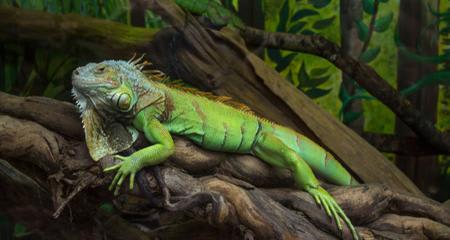
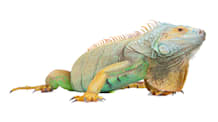
Although they live in small groups in nature, iguanas are not considered social animals. They do, however, communicate with each other in several ways, most of which would be classified as body language. These include head bobbing, hissing, changes in the dewlap, movement of the tail, and body positioning and movement, among others.
Dewlap
Normally, the dewlap hangs beneath the chin, and may have some folds in it. If it is tucked up under the chin, it is often a sign of submission. If it is rigid and distended, the iguana is demonstrating either fear, a warning signal, or to attract a female during mating season. When combined with compressing an upright body and raising the crests along the neck and back, the iguana is trying to appear as intimidating as possible. Body compression
In a normal relaxed state, the body of an iguana appears rather round. If an iguana feels threatened or is aggressive, the iguana will basically pull in his sides to make his body appear taller and larger. This behavior is generally accompanied by an erect posture, with the iguana standing tall on his feet.
Head bobbing
Head bobs may be used to provide several social cues. A slow head bobbing may be used to greet other iguanas (and people). If the behavior is accompanied by a change in body posture such as raising the body and flaring the dewlap, the bob may become more of an advertisement that the iguana is concerned about his territorial rights. If the bobbing is more rapid, the iguana is trying to indicate that he is becoming more annoyed or is on the offensive.
Hissing
A combination of hissing and clicking is made by iguanas with their mouths wide open. This behavior signals a warning or defensive posture. It is often accompanied by distention of the dewlap, compressing the body laterally to make it appear taller and provide a more intimidating silhouette, and tail thrashing.
Tail twitching
If an iguana is really upset, he will lash his tail. Sometimes, however, he will simply twitch the end of the tail. Eyes
Whether the iguana holds his eyes open or shut can also tell you something. Iguanas may shut their eyes if they are very relaxed or may shut them if they are in sensory overload. Open, glaring eyes can be interpreted as just that - a glare from an iguana who is not happy.
Observing your iguana’s behavior and respecting what they are trying to communicate to you through their body language will help strengthen your bond and ensure safe interactions.

46Pet Parents found this article helpful

My iguana's skin is turning dark green/black. What does it mean?
My iguana almost died. How can I help its recovery and improve diet?
My green iguana won't eat and avoids his heat lamps. What to do?

My baby iguana turns black, broke toe. Is it stressed? How to bond?
Why is my iguana so tired, acting weird, and has black spots?

How to care for an injured alligator lizard found by my cat?
New baby green iguana hasn't pooped in a week, what should I do?
My baby iguana isn't eating. What are the common causes and fixes?
My iguana ate its poop. Is this normal or does she need a vet?
My iguana's mouth is brown and he's not moving. Is he dying?





Book an appointment with the pros – our expert vets are here to help.
